Imagine a grocery list tailored specifically to make every part of you thrive. From the sharpest brain function to the deepest, most restorative sleep, what you eat plays a monumental role in how your body performs and feels. This isn’t just about eating ‘healthy’ in general; it’s about making deliberate choices that nourish specific organs and systems. Your body’s ultimate grocery list is within reach, focusing on foods that offer targeted benefits.
This guide will help you understand which foods can best support your brain, heart, gut, skin, hair, energy levels, and sleep quality. We’ll break down key ingredients that contribute to overall well-being, helping you craft a shopping cart full of power-packed nourishment.
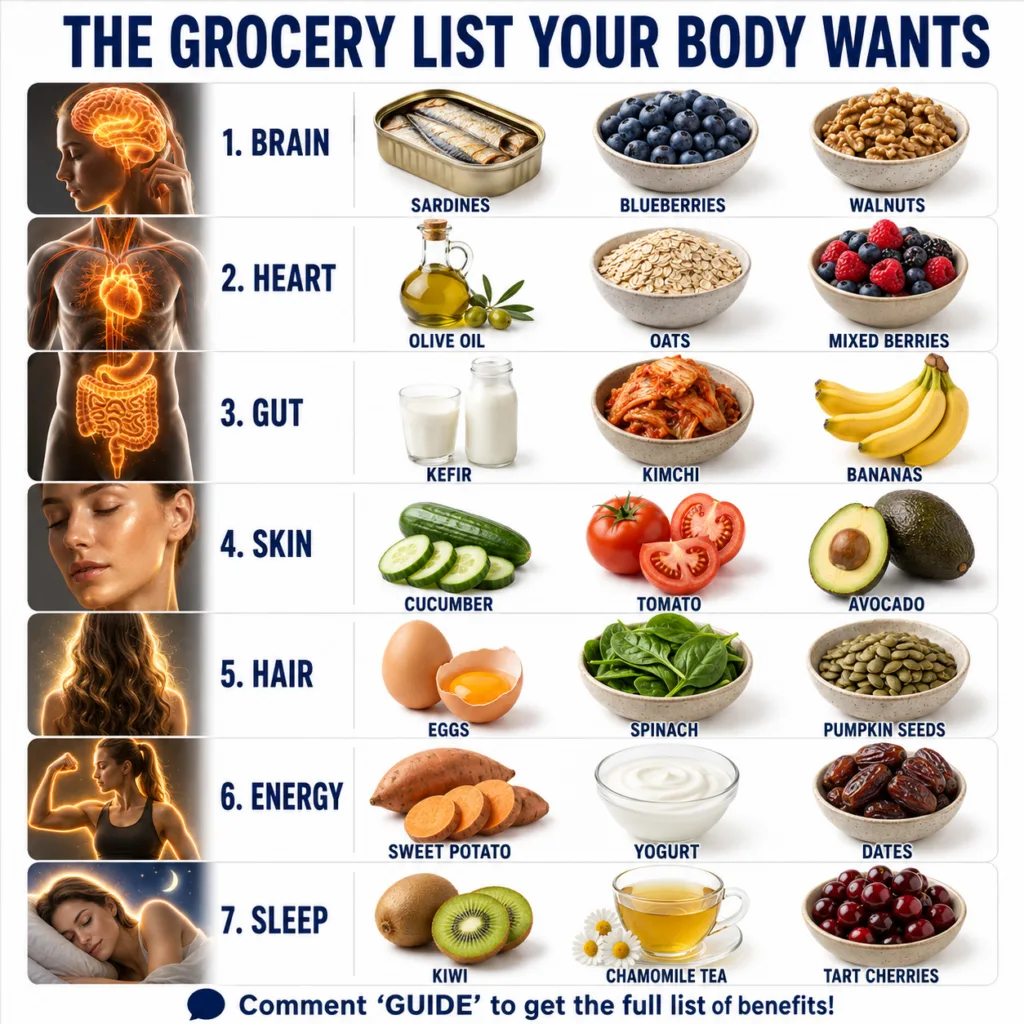
Brain-Boosting Foods for Mental Clarity
Your brain is the control center of your body, requiring a steady supply of nutrients to support memory, focus, and overall cognitive function. Including specific foods in your diet can make a significant difference.
Walnuts: The Brain-Shaped Superfood
Often referred to as ‘brain food’ due to their resemblance, walnuts are packed with omega-3 fatty acids, particularly alpha-linolenic acid (ALA), which may help reduce oxidative stress and inflammation in the brain. They also provide antioxidants and vitamin E, crucial for protecting brain cells.
Blueberries: Antioxidant Powerhouses
These small but mighty berries are rich in antioxidants, especially flavonoids, which can cross the blood-brain barrier. Studies suggest blueberries may improve memory and cognitive performance by enhancing communication between brain cells and protecting them from damage.
Salmon: Rich in Omega-3s
Cold-water fish like salmon are celebrated for their high content of DHA and EPA, essential omega-3 fatty acids. These fats are vital building blocks for brain cells and have been linked to improved memory, better mood, and a reduced risk of cognitive decline. Aim for wild-caught salmon for the best benefits.
Heart-Healthy Choices for Cardiovascular Wellness
Maintaining a strong and healthy heart is fundamental to long-term wellness. A diet rich in fiber, healthy fats, and antioxidants can significantly support cardiovascular health.
Oats: A Fiber-Rich Start
Oats are an excellent source of soluble fiber, specifically beta-glucan, which has been shown to help lower LDL (bad) cholesterol levels. Starting your day with a bowl of oatmeal can be a simple yet effective way to protect your heart.
Avocados: Monounsaturated Fat Marvels
Avocados are renowned for their monounsaturated fats, which can help reduce bad cholesterol levels and lower the risk of heart disease. They also provide potassium, a mineral important for blood pressure regulation, making them a fantastic addition to salads or as a healthy spread.
Tomatoes: Lycopene for Your Heart
Tomatoes are rich in lycopene, a powerful antioxidant that gives them their red color. Lycopene has been associated with a reduced risk of heart disease and stroke, potentially by helping to lower blood pressure and improve cholesterol profiles. Enjoy them raw, cooked, or in sauces for maximum absorption.
Nourishing Your Gut for Digestive Harmony
A healthy gut is foundational for overall health, influencing everything from digestion to immunity and even mood. Fueling your gut microbiome with the right foods is key.
Spinach: Fiber and Nutrients
Spinach is a leafy green powerhouse, offering both fiber to aid digestion and a spectrum of vitamins and minerals. Its non-digestible fibers act as prebiotics, feeding beneficial gut bacteria and promoting a balanced gut environment.
Yogurt: Probiotic Support
Look for yogurts containing live and active cultures, as these introduce beneficial probiotics into your digestive system. Probiotics can help balance your gut flora, improve digestion, and may even boost your immune system. Opt for plain, unsweetened varieties to avoid added sugars.
Lentils: Legume for Gut Health
Lentils are an incredible source of dietary fiber, both soluble and insoluble. This fiber supports healthy bowel movements and provides nourishment for your gut bacteria. Regular consumption of lentils can contribute to a diverse and robust gut microbiome.
Foods for Radiant Skin
Your skin is your body’s largest organ and a reflection of your internal health. What you eat can directly impact its hydration, elasticity, and overall glow.
Cucumbers: Hydration from Within
Cucumbers are over 95% water, making them excellent for internal hydration, which is crucial for plump, supple skin. They also contain vitamins K and C, and antioxidants that can help reduce inflammation and keep skin looking fresh.
Almonds: Vitamin E for Protection
Almonds are a fantastic source of vitamin E, a powerful antioxidant that helps protect skin cells from oxidative damage caused by UV rays and environmental pollutants. Healthy fats in almonds also contribute to skin barrier function, locking in moisture.
Berries: Antioxidant Richness for Skin Health
Berries like strawberries, raspberries, and blackberries are bursting with antioxidants, particularly vitamin C, which is essential for collagen production. Collagen is the protein responsible for skin’s elasticity and firmness, helping to keep it smooth and youthful.
Strengthening Your Hair from the Inside Out
Just like your skin, the health and appearance of your hair are significantly influenced by your diet. Nutrient deficiencies can often manifest as brittle, dull, or thinning hair.
Eggs: Protein and Biotin Boost
Eggs are a complete protein source, providing all the essential amino acids necessary for hair growth and strength. They are also rich in biotin, a B vitamin crucial for keratin production, the primary protein that makes up your hair.
Sweet Potatoes: Beta-Carotene for Hair Growth
Sweet potatoes are loaded with beta-carotene, which your body converts into vitamin A. Vitamin A is vital for cell growth, including hair cells, and can help stimulate the production of sebum, an oily substance that keeps the scalp and hair moisturized.
Bell Peppers: Vitamin C for Hair Follicles
Bell peppers, especially yellow ones, are exceptionally high in vitamin C. This vitamin is not only important for collagen production, which strengthens hair strands, but also acts as a potent antioxidant to protect hair follicles from damage and aid in iron absorption, another key mineral for hair health.
Sustaining Your Energy Throughout the Day
Feeling sluggish? Your diet can be a major factor in your energy levels. Opting for nutrient-dense, sustained-release foods can help you maintain vitality from morning to night.
Bananas: Natural Energy Boost
Bananas are an excellent source of natural sugars, fiber, and potassium. The fiber helps slow down sugar absorption, providing a steady release of energy rather than a quick spike and crash. They’re a perfect on-the-go snack.
Chicken Breast: Lean Protein for Endurance
Chicken breast is a lean protein source that provides sustained energy without the heaviness of fattier meats. Protein is essential for building and repairing tissues, and it helps stabilize blood sugar, preventing energy dips throughout the day.
Quinoa: Complete Protein and Complex Carbs
Quinoa is a pseudo-cereal that stands out as a complete protein, meaning it contains all nine essential amino acids. It’s also rich in complex carbohydrates and fiber, offering a slow and steady release of glucose into the bloodstream, making it ideal for lasting energy.
Promoting Restful Sleep Naturally
Quality sleep is crucial for physical and mental restoration. Certain foods contain compounds that can help regulate your sleep cycle and promote relaxation.
Cherries: Natural Melatonin Source
Cherries, particularly tart cherries, are one of the few natural food sources of melatonin, the hormone that regulates sleep-wake cycles. Enjoying a small serving of cherries or tart cherry juice before bed may help improve sleep quality.
Turkey: Tryptophan for Serotonin
Turkey is well-known for its tryptophan content, an amino acid that your body uses to produce serotonin. Serotonin is a neurotransmitter that promotes relaxation and is a precursor to melatonin, contributing to better sleep.
Whole Wheat Bread: Complex Carbs for Sleep
Whole wheat bread provides complex carbohydrates that can help increase the availability of tryptophan to the brain. Consumed as part of a light evening meal or snack, it may aid in preparing your body for a restful night.
Building Your Personalized Grocery List
Armed with this knowledge, you can approach your next grocery trip with a clearer purpose. Prioritize whole, unprocessed foods that target your specific wellness goals. Remember, consistent nourishment is key to seeing and feeling the benefits across your entire body.
Consider meal prepping these ingredients to ensure you always have healthy options readily available. For example, prepare a batch of overnight oats with blueberries for brain and heart health, or pre-cook quinoa and chicken breast for energy-boosting lunches. Making small, consistent changes can lead to significant improvements in your overall health and vitality.