Imagine stepping into your garden and harvesting fresh, crisp greens for your salad, knowing that in just a few weeks, those same plants will offer another bounty. Sound like a dream? It’s not! Welcome to the wonderful world of ‘cut-and-come-again’ vegetables, a gardening technique that allows you to enjoy continuous harvests from a single planting. It’s perfect for both seasoned gardeners and beginners looking to maximize their yield and enjoy fresh produce all season long.
At Garden – L. Quyên, we’re all about making gardening easy, inspiring, and incredibly rewarding. The cut-and-come-again method truly embodies this philosophy, helping you grow healthy plants and harvest fresh vegetables with minimal effort. Let’s dive in!
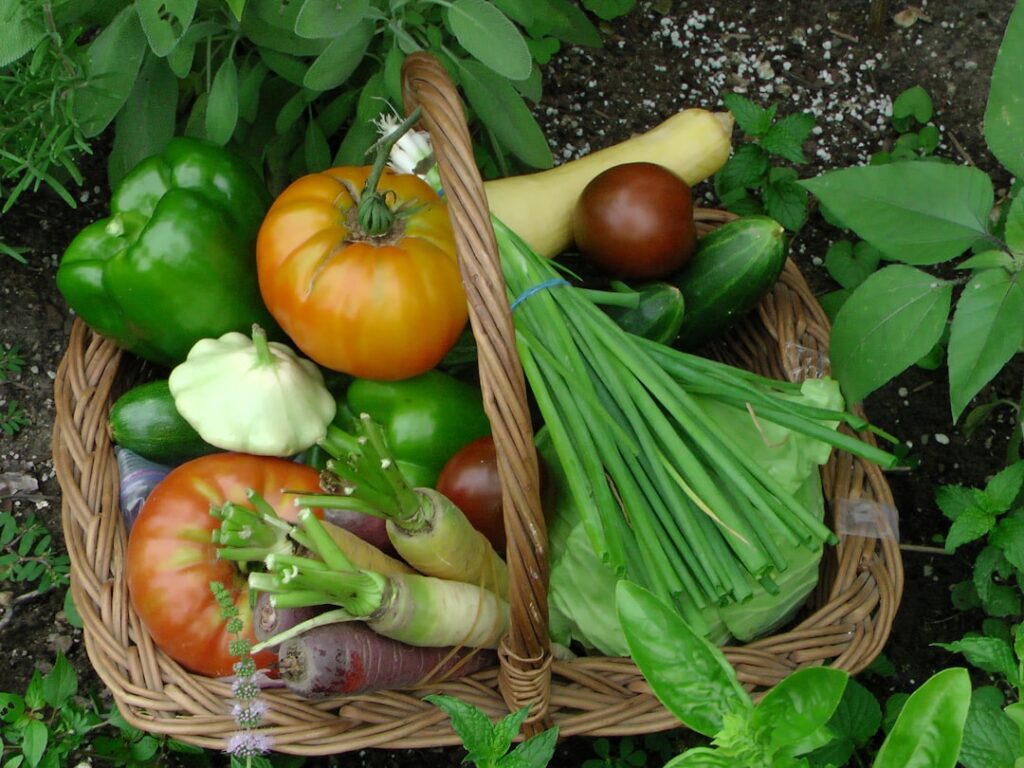
What Exactly Are Cut-and-Come-Again Vegetables?
Simply put, ‘cut-and-come-again’ refers to plants that, instead of being harvested whole, can have their outer leaves or parts trimmed off, allowing the plant to regrow and produce more. This method encourages the plant to put out new growth, giving you multiple harvests from the same plant throughout its growing season.
Why Choose the Cut-and-Come-Again Method?
- Continuous Supply: Say goodbye to planting a whole row of lettuce only to have it all mature at once. This method provides a steady stream of fresh produce.
- Space Efficiency: Get more out of your garden space. One plant can yield as much as several plants harvested traditionally.
- Less Work: Fewer replantings mean less digging, sowing, and thinning over time.
- Fresher Taste: Harvest exactly what you need when you need it, ensuring the freshest ingredients for your meals.
- Reduced Waste: Only pick what you plan to use, minimizing spoilage.
Top Cut-and-Come-Again Vegetables for Your Garden
Many popular greens and herbs thrive with this harvesting technique. Here are some of our favorites:
1. Leaf Lettuce
Perhaps the most classic cut-and-come-again veggie. Instead of pulling the whole head, snip the outer leaves a couple of inches above the soil. The center will continue to grow new leaves.
2. Spinach
Similar to lettuce, harvest the outer, larger leaves first, leaving the inner ones to develop. Spinach is quick to regrow, offering several pickings.
3. Kale
Kale is a powerhouse of nutrition and perfect for this method. Harvest the lower, outer leaves, leaving at least four to five central leaves intact to ensure continued production.
4. Swiss Chard
With its beautiful colorful stems, Swiss chard is both ornamental and productive. Cut the outer leaves near the base of the plant.
5. Arugula
This peppery green grows incredibly fast. Snip leaves about an inch from the ground, and you’ll often see new growth in just a week!
6. Basil
For herbs like basil, pinch off stems just above a leaf node (where two leaves emerge from the main stem). This encourages bushier growth and more leaves.
7. Cilantro
Harvest cilantro leaves by snipping the outer stems. Regular harvesting can also help delay bolting (going to seed).
8. Green Onions (Scallions)
Cut the green tops about an inch or two above the white base. You can even replant the white bases with roots in water or soil, and they’ll sprout new green shoots.
How to Harvest for Success
The key to maximizing your cut-and-come-again harvest is knowing how to cut:
- Use Sharp Tools: Always use clean, sharp scissors or a knife to make clean cuts. This prevents damage to the plant and reduces the risk of disease.
- Harvest Outer Leaves First: For leafy greens, focus on the mature outer leaves. These are the oldest and won’t hinder the plant’s central growth.
- Leave the Crown Intact: Ensure you leave the central growing point of the plant untouched. This is where new leaves will emerge. For most greens, leave at least 1-2 inches of stem above the soil.
- Don’t Take Too Much: Never remove more than one-third of the plant’s foliage at any one time. The plant needs enough leaves for photosynthesis to regrow efficiently.
- Harvest Regularly: Consistent harvesting encourages new growth. If you let the plant get too large, it might slow down production or even bolt.
Tips for Maximizing Your Endless Harvests
- Rich Soil: Start with well-draining, nutrient-rich soil. Amending with compost provides a slow-release food source for continuous growth.
- Adequate Watering: Keep your plants consistently moist, especially after harvesting. Lack of water can stress plants and slow regrowth.
- Sunlight: Most of these plants prefer full sun (6+ hours), though some, like lettuce and spinach, appreciate some afternoon shade in hotter climates to prevent bolting.
- Fertilize Lightly: After a few harvests, a light feeding with a balanced liquid fertilizer can give your plants a boost.
- Succession Planting: For truly endless harvests, consider planting small batches every 2-3 weeks. Even with cut-and-come-again, a plant will eventually tire or bolt, so having new plants coming up ensures no gaps.
Start Your Endless Garden Today!
Embracing the cut-and-come-again technique is a fantastic way to enjoy the freshest vegetables right from your garden, extend your harvesting season, and make the most of your gardening efforts. It’s simple, sustainable, and incredibly satisfying. Give it a try, and you’ll soon be wondering why you ever gardened any other way!
What are your favorite cut-and-come-again vegetables? Share your tips and experiences in the comments below!