When you think of protein, what immediately comes to mind? For many, it’s often meat, eggs, or dairy. But what if we told you that your everyday pantry staples and garden greens are brimming with this essential nutrient? It’s time to unlock the surprising protein powerhouses hidden in plant-based foods!
From crunchy broccoli to versatile hemp seeds and ancient grains like quinoa, the plant kingdom offers a rich and diverse array of protein sources. Incorporating these into your diet not only adds exciting flavors and textures but also significantly boosts your nutritional intake.
Why is Protein So Important?
Protein is a fundamental macronutrient, playing a vital role in nearly every bodily function. It’s essential for:
- Building and Repairing Tissues: From muscles to skin, hair, and organs, protein is the building block.
- Enzyme and Hormone Production: Many enzymes and hormones, crucial for digestion, metabolism, and mood regulation, are made from protein.
- Immune Function: Antibodies, which help fight off infections, are proteins.
- Energy: While primarily known for building, protein can also serve as an energy source when carbohydrates and fats are scarce.
- Satiety: Protein helps you feel full and satisfied, which can be beneficial for managing weight.
Traditionally, animal products have been lauded as the primary sources of ‘complete’ protein, containing all nine essential amino acids. However, a well-planned plant-based diet can easily provide all the protein you need, often with the added benefits of fiber, vitamins, and minerals.
Discovering Plant-Based Protein Powerhouses
Let’s dive into some of the incredible plant-based foods that can help you meet your daily protein needs:
1. Legumes: The Versatile Staples
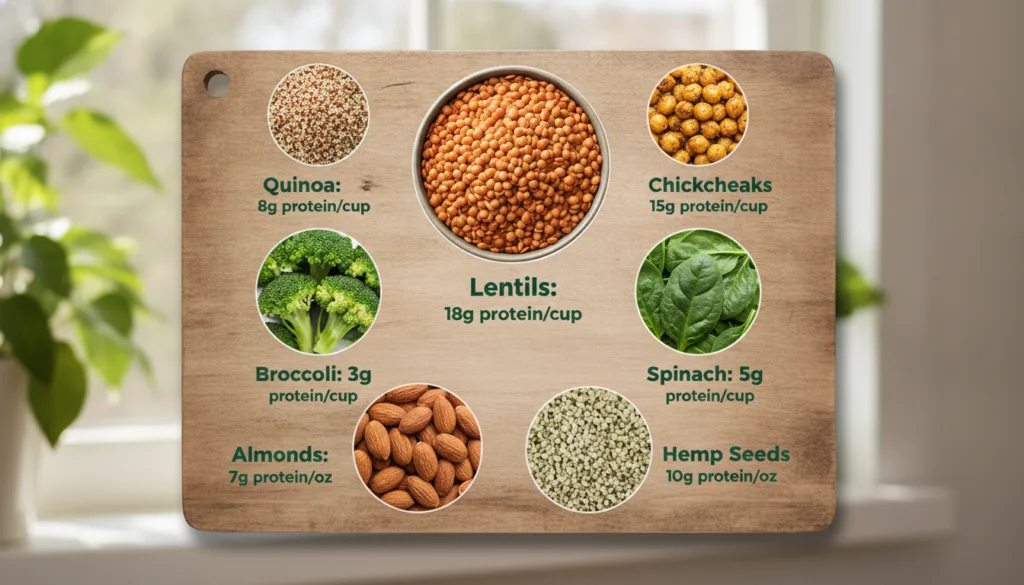
- Lentils: A cup of cooked lentils can offer around 18 grams of protein and 16 grams of fiber. They’re excellent in soups, stews, and salads.
- Chickpeas: Providing about 15 grams of protein per cup, chickpeas are perfect for hummus, curries, and roasted snacks.
- Beans (Black, Kidney, Pinto): These offer roughly 15 grams of protein per cup, along with complex carbohydrates and fiber, making them a staple in many cuisines.
- Edamame: Whole, immature soybeans, edamame provides about 18 grams of protein per cup, making it a fantastic snack or addition to stir-fries.
2. Grains: More Than Just Carbs
- Quinoa: This ancient grain is a complete protein, boasting 8 grams per cooked cup, plus fiber and various minerals. It’s a great base for bowls or a side dish.
- Oats: A bowl of oatmeal isn’t just for breakfast; half a cup of dry oats contains around 5 grams of protein and is rich in soluble fiber.
- Brown Rice: While lower in protein than quinoa, brown rice still contributes about 5 grams per cooked cup and provides complex carbohydrates for sustained energy.
3. Nuts and Seeds: Tiny but Mighty
- Hemp Seeds: Just three tablespoons of hemp seeds can deliver 10 grams of complete protein. Sprinkle them on salads, smoothies, or yogurt.
- Chia Seeds: Known for their omega-3 fatty acids, chia seeds also provide about 5 grams of protein per two tablespoons.
- Almonds: A handful of almonds offers around 6 grams of protein, along with healthy fats and vitamin E.
- Peanut Butter: A popular spread, two tablespoons of peanut butter typically contain 8 grams of protein. Look for varieties with minimal added sugar.
4. Vegetables: Green and Lean Protein
- Broccoli: A cup of chopped broccoli contains about 3 grams of protein, along with a wealth of vitamins C and K, and fiber.
- Spinach: While not a primary protein source, spinach contributes about 5 grams of protein per cooked cup, plus iron and vitamins.
- Peas: A cup of green peas provides around 8 grams of protein, making them a surprisingly good source among vegetables.
Boosting Your Plant-Based Protein Intake: Practical Tips
Integrating more plant-based protein into your diet is simpler than you might think:
- Start Your Day Right: Add hemp seeds or chia seeds to your oatmeal or smoothie. Enjoy a tofu scramble or a chickpea omelet.
- Snack Smart: Reach for a handful of almonds, a serving of edamame, or hummus with veggie sticks.
- Power Up Your Lunch: Include lentils or beans in your salads, make a quinoa bowl, or opt for a whole-grain sandwich with hummus and veggies.
- Dinner Diversification: Experiment with lentil pasta, bean burgers, or add chickpeas to your curries and stir-fries.
- Combine for Completeness: While many plant proteins are not ‘complete’ on their own, eating a variety of plant foods throughout the day ensures you get all essential amino acids.
Embrace the Plant-Based Protein Revolution
Exploring the world of plant-based protein is a fantastic way to enhance your health, add variety to your meals, and discover new delicious foods. These plant powerhouses offer not just protein but also an abundance of fiber, vitamins, and minerals that support overall well-being.
Remember, a balanced diet is about variety and mindfulness. Start by incorporating one new plant-based protein into your week and see how great you feel!
Disclaimer: This article is for informational purposes only and is not intended to be a substitute for professional medical advice, diagnosis, or treatment. Always seek the advice of your physician or other qualified health provider with any questions you may have regarding a medical condition.