Do painful leg cramps often disturb your sleep? Waking up with a sudden, sharp pain in your calf or foot can be a truly disruptive and frustrating experience. You’re not alone; night leg cramps are a common issue that affects many people, often robbing them of precious rest. But what exactly triggers these unwelcome spasms?
Understanding the root causes of night leg cramps is the first step towards finding effective relief and ensuring a peaceful night’s sleep. While often benign, these cramps can point to various factors, from simple lifestyle habits to underlying nutritional needs. In this article, we’ll uncover 7 surprising reasons behind them, helping you identify potential triggers and discover practical strategies to alleviate the discomfort and improve your sleep quality.
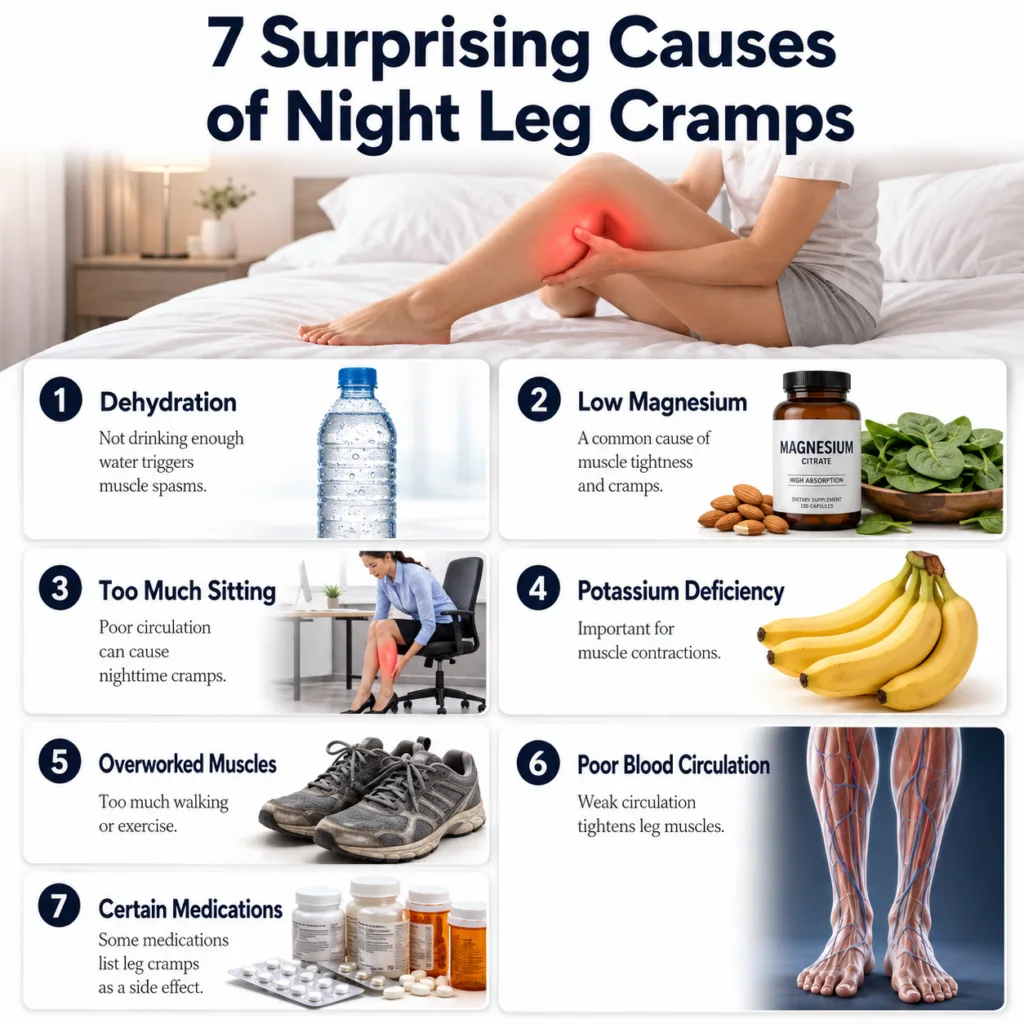
The Unwelcome Wake-Up Call: Understanding Night Leg Cramps
Night leg cramps, also known as nocturnal leg cramps, are involuntary muscle contractions that typically occur in the calf, foot, or thigh while you’re asleep or resting. These spasms can range from mild twitching to intense, excruciating pain, often forcing you awake. While the exact mechanism isn’t always clear, these cramps are often linked to muscle fatigue, nerve issues, or imbalances in the body. Identifying the specific trigger for your cramps is key to finding a solution.
1. Dehydration: The Hidden Thirst Trigger
One of the most common yet often overlooked causes of night leg cramps is dehydration. When your body lacks sufficient fluids, your electrolyte balance can be thrown off. Electrolytes like sodium, potassium, calcium, and magnesium play crucial roles in muscle function and nerve signals. Without adequate hydration, muscles may not receive the oxygen and nutrients they need, leading to spasms and cramps.
How to Combat Dehydration:
- Drink Plenty of Water: Ensure you’re consuming enough water throughout the day, especially if you’re active or in a warm climate.
- Monitor Urine Color: Light yellow urine generally indicates good hydration. Darker urine suggests you need more fluids.
- Include Hydrating Foods: Fruits and vegetables like watermelon, cucumbers, and oranges have high water content.
2. Low Magnesium: A Mineral Imbalance
Magnesium is an essential mineral involved in over 300 biochemical reactions in the body, including muscle and nerve function, blood glucose control, and blood pressure regulation. A deficiency in magnesium can disrupt nerve impulses and muscle contractions, making you more susceptible to cramps.
Magnesium-Rich Foods and Supplementation:
Incorporating magnesium-rich foods into your diet can help maintain healthy levels:
- Almonds: A handful of almonds is a great source of magnesium, along with healthy fats and fiber.
- Spinach: Leafy greens like spinach are packed with magnesium and other vital nutrients.
- Other Sources: Consider whole grains, legumes, avocados, and dark chocolate.
If dietary intake isn’t sufficient, your doctor may recommend a magnesium supplement. Always consult a healthcare professional before starting any new supplement.
3. Potassium Deficiency: The Banana Connection
Potassium is another critical electrolyte that works closely with sodium to maintain fluid balance and facilitate muscle contractions and nerve signals. A deficiency, often due to inadequate dietary intake, excessive sweating, or certain medications, can contribute to muscle cramps.
Boost Your Potassium Intake:
The iconic image of a banana immediately comes to mind when thinking of potassium, and for good reason!
- Bananas: A readily available and delicious source of potassium.
- Other Foods: Sweet potatoes, avocados, leafy greens, beans, and oranges also provide significant amounts of potassium.
4. Too Much Sitting: A Sedentary Lifestyle Factor
In our modern world, many jobs and lifestyles involve prolonged periods of sitting. While seemingly harmless, too much sitting can lead to shortened and tightened muscles, particularly in the calves and hamstrings. This can impair circulation and muscle flexibility, making them more prone to cramping during rest.
Counteract Sedentary Habits:
- Take Regular Breaks: Stand up, stretch, and walk around for a few minutes every hour.
- Incorporate Movement: Engage in light stretches or exercises at your desk.
- Stay Active: Regular physical activity helps maintain muscle flexibility and blood flow.
5. Overworked Muscles: Exercise and Strain
Whether you’re an avid athlete or you’ve simply had an unusually active day, overworked or fatigued muscles are prime candidates for night cramps. Intense exercise without proper warm-up, cool-down, or sufficient recovery can lead to muscle strain and the accumulation of metabolic byproducts that trigger spasms.
Protect Your Muscles:
- Proper Warm-up and Cool-down: Always stretch before and after physical activity.
- Gradual Progression: Increase exercise intensity and duration slowly to allow muscles to adapt.
- Rest and Recovery: Give your muscles adequate time to repair and rebuild.
6. Poor Blood Circulation: A Flow Problem
Healthy blood circulation is vital for delivering oxygen and nutrients to muscle tissues and removing waste products. When blood flow to your legs is restricted or inefficient, muscles can become deprived and irritated, increasing the likelihood of cramps. Conditions like peripheral artery disease (PAD) can contribute to poor circulation.
Improve Circulation:
- Regular Exercise: Activities like walking, swimming, or cycling can significantly improve blood flow.
- Elevate Your Legs: Periodically raising your legs can aid venous return.
- Avoid Prolonged Standing or Sitting: Alternate positions to encourage blood flow.
- Compression Stockings: In some cases, these may be recommended by a doctor.
7. Certain Medications: A Side Effect Link
It’s important to be aware that some medications can have muscle cramps as a side effect. These can include diuretics (water pills), statins (cholesterol-lowering drugs), beta-blockers, and certain asthma medications, among others. These drugs can sometimes affect electrolyte balance or directly impact muscle and nerve function.
What to Do If Medications are a Factor:
If you suspect your medication might be causing night leg cramps, do not stop taking it on your own.
- Consult Your Doctor: Discuss your symptoms with your healthcare provider. They may be able to adjust your dosage, recommend a different medication, or suggest strategies to manage the side effect.