Fruits are often celebrated as a cornerstone of a healthy diet, packed with essential vitamins, minerals, and fiber. However, when it comes to weight loss, understanding the sugar content in various fruits can be a game-changer. While all fruits contain natural sugars, some have significantly more than others, which can impact your daily calorie and carbohydrate intake.
This guide will help you navigate the world of fruits, distinguishing between high-sugar and low-sugar options, and empowering you to make smarter, more informed choices for your weight loss journey. Let’s debunk some common fruit myths and discover how to fuel your body effectively.
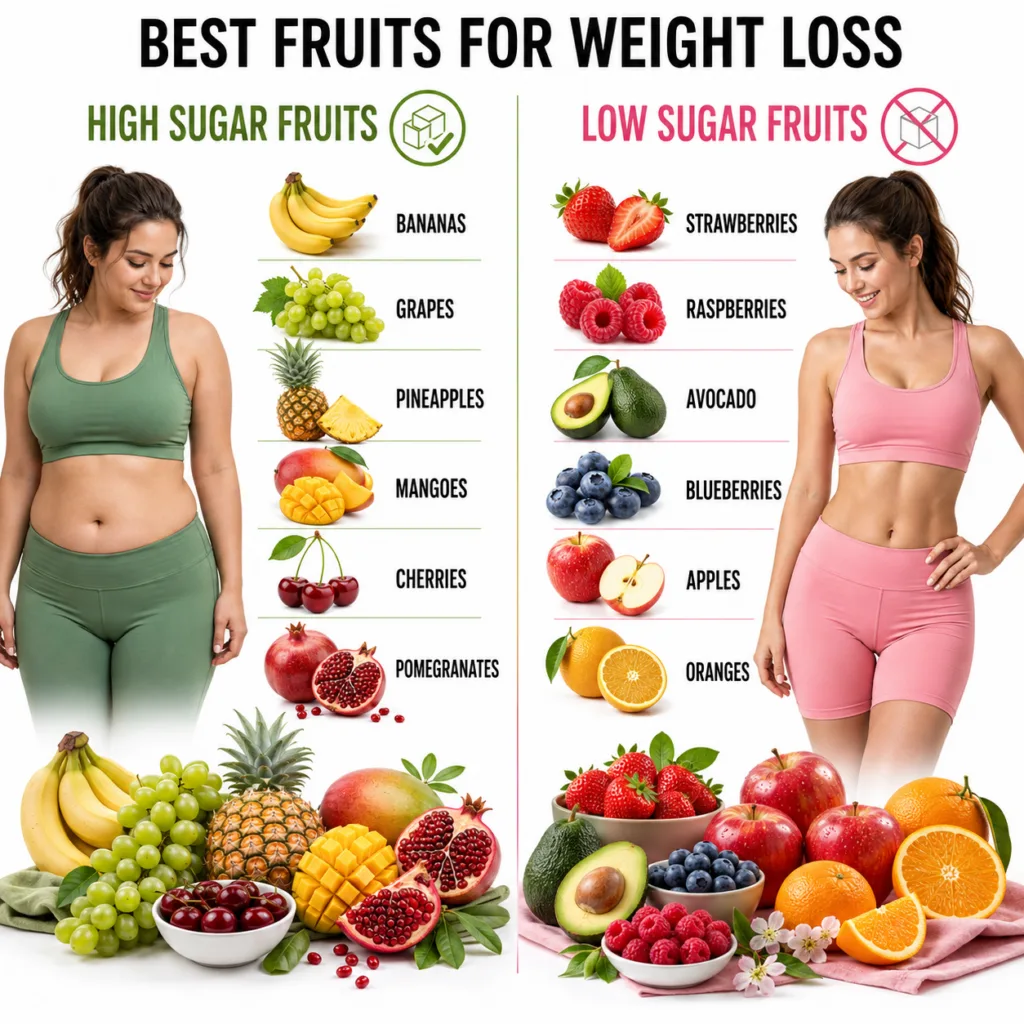
Understanding Fruit Sugar and Weight Loss
When you’re aiming for weight loss, managing your overall calorie and sugar intake is crucial. While fruit sugars (fructose) are natural and come with fiber and other nutrients, consuming them in excessive amounts can still contribute to a calorie surplus. Fiber helps slow down sugar absorption, preventing sharp blood sugar spikes, but portion control remains key, especially for fruits higher in natural sugars.
Choosing fruits that are lower in sugar content can help you feel full without consuming too many calories or impacting your blood sugar levels as dramatically. This doesn’t mean you should avoid high-sugar fruits entirely, but rather enjoy them in moderation and be mindful of portion sizes.
High Sugar Fruits: What to Be Mindful Of
These fruits are delicious and nutrient-dense, but their higher natural sugar content means they should be enjoyed in controlled portions, especially if you’re closely monitoring your sugar intake for weight loss.
Mango
Known for its tropical sweetness, mango is a fantastic source of vitamins A and C. However, a single mango can contain a significant amount of natural sugar. Enjoy mango in moderation, perhaps as a treat or a small addition to a balanced meal.
Cherries
Sweet and juicy, cherries are rich in antioxidants and boast anti-inflammatory properties. Their natural sugar content is relatively high, especially in sweet varieties. A small handful can be a delightful snack, but be mindful of portion sizes as they are easy to overconsume.
Grapes
Grapes are packed with antioxidants, but they are also known for their high sugar content. Their small size makes it easy to eat many at once, quickly adding up the sugar and calories. Consider them a treat rather than a go-to snack if you’re focused on minimizing sugar intake.
Lychee
These exotic fruits offer a unique flavor and provide vitamin C. Like grapes, lychees are small and can be deceptively high in sugar when eaten in larger quantities. Enjoy them sparingly as a refreshing occasional indulgence.
Banana
A convenient and energy-boosting fruit, bananas are a good source of potassium and provide quick fuel. However, they are also one of the higher-sugar fruits. Consider consuming bananas around your workouts when your body can best utilize the quick energy, or opt for smaller bananas.
Figs
Figs are incredibly sweet and a good source of fiber and minerals like potassium and calcium. Their intense sweetness indicates a high sugar content. Fresh or dried, figs should be enjoyed in very small portions to keep sugar intake in check.
Low Sugar Fruits: Your Weight Loss Allies
These fruits offer a wealth of nutrients with significantly less sugar, making them excellent choices for everyday consumption when you’re aiming for weight loss. They provide fiber, vitamins, and minerals without the calorie density of their higher-sugar counterparts.
Avocado
Often considered a vegetable, avocado is botanically a fruit. It’s unique among fruits for its low sugar content and high healthy fat profile. Avocados are incredibly filling and contribute to satiety, making them an excellent addition to salads, smoothies, or as a spread for healthy toast.
Lemon
Lemons are exceptionally low in sugar and high in vitamin C. While you might not eat a lemon whole, adding lemon juice to water, salads, or cooking can enhance flavors without adding calories or sugar. It’s a refreshing way to boost your daily intake of beneficial compounds.
Berries (Strawberries, Blueberries)
A powerhouse of antioxidants and fiber, berries like strawberries and blueberries are fantastic low-sugar fruit options. They offer natural sweetness and can be enjoyed generously in oatmeal, yogurt, smoothies, or as a standalone snack. They are a staple for a healthy meal plan.
Tomato
Another fruit often mistaken for a vegetable, tomatoes are very low in sugar and calories, while being rich in vitamins A and C, and lycopene. They are versatile and can be incorporated into almost any savory dish, salad, or sauce, contributing significantly to your nutrient intake without excess sugar.
Kiwi
Kiwi offers a vibrant taste and is packed with vitamin C and K, as well as fiber. It has a relatively low sugar content compared to many other fruits. Enjoy kiwi as a refreshing snack, add it to fruit salads, or blend it into your morning smoothie for a nutrient boost.
Grapefruit
Known for its distinctive tart flavor, grapefruit is an excellent low-sugar, high-vitamin C fruit. It can be a great addition to your breakfast or enjoyed as a refreshing snack. Some studies suggest grapefruit may even help with satiety, though more research is needed.
Making Smart Fruit Choices for Weight Loss
Incorporating fruits into your diet intelligently is key to successful weight management. Here are some tips:
- Prioritize Low-Sugar Options: Make fruits like berries, avocado, and kiwi your go-to choices for snacks and meal additions.
- Practice Portion Control: Even with low-sugar fruits, moderation is important. For high-sugar fruits, be extra mindful of serving sizes.
- Balance Your Intake: Pair fruits with protein or healthy fats to slow sugar absorption and increase satiety. For example, berries with Greek yogurt or avocado with eggs.
- Listen to Your Body: Pay attention to how different fruits make you feel. Some might cause more cravings or energy crashes than others.
- Time Your Consumption: Consider eating higher-sugar fruits around your workouts when your body needs readily available energy.
Frequently Asked Questions About Fruits and Weight Loss
Are dried fruits good for weight loss?
Dried fruits, while retaining some nutrients, are much more concentrated in sugar and calories than their fresh counterparts. The drying process removes water, making it easy to consume larger amounts of sugar in a smaller volume. It’s best to consume dried fruits in very small, controlled portions or opt for fresh fruit instead.
Can I eat fruit on a low-carb diet?
Many low-carb diets restrict fruits due to their sugar content. However, very low-sugar fruits like berries, lemons, and avocados can often be included in moderation, depending on the specific carbohydrate allowance of your diet plan. Always check the net carb count.
What are the best healthy breakfast ideas that include low-sugar fruits?
Low-sugar fruits are perfect for healthy breakfasts. Consider a smoothie with spinach, avocado, and a handful of blueberries. Or, enjoy Greek yogurt with a mix of strawberries and a sprinkle of chia seeds. Overnight oats with berries and a scoop of protein powder are also excellent high-protein breakfast options.