Many common discomforts are actually subtle signs your body needs more hydration than you think. In a fast-paced world, it’s easy to overlook the fundamental importance of something as simple as water. Yet, staying adequately hydrated is critical for virtually every bodily function, from brain power to digestion.
Understanding the often-ignored symptoms of dehydration is key to feeling your best, boosting energy, and even protecting your long-term health. Are you drinking enough water daily? You might be surprised by the serious consequences of falling short.
Let’s dive into the 7 unseen dangers of not drinking enough water and discover how proper hydration can truly transform your well-being.
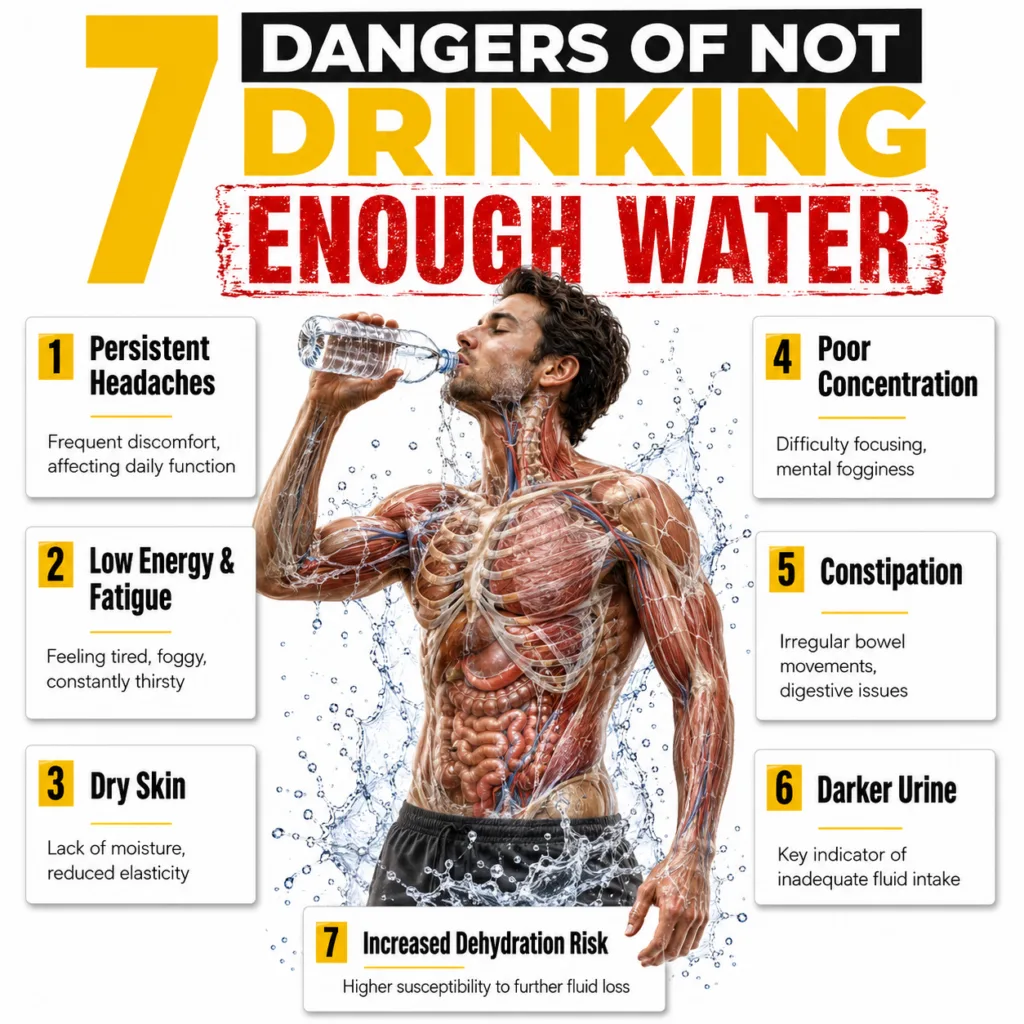
The 7 Unseen Dangers of Not Drinking Enough Water
Our bodies are composed of roughly 60% water, making it essential for every system to function correctly. When your water intake falls short, even slightly, your body begins to protest in various ways. These aren’t just minor inconveniences; they can significantly impact your health and quality of life.
1. Reduced Energy & Persistent Fatigue
Feeling sluggish even after a good night’s sleep? Dehydration is a common culprit. When your body lacks sufficient water, blood volume decreases, which means your heart has to work harder to pump oxygen and nutrients to your cells. This extra effort can quickly drain your energy reserves, leaving you feeling tired and lethargic throughout the day.
2. Headaches & Dizziness
Many chronic headaches and even migraines are directly linked to dehydration. When your body is low on fluids, your brain tissue can temporarily shrink, pulling away from the skull. This can trigger pain receptors, leading to headaches. Additionally, insufficient water intake can cause a drop in blood pressure, leading to feelings of dizziness, especially when standing up quickly.
3. Poor Concentration & Brain Fog
Your brain is highly sensitive to hydration levels. Even mild dehydration can impair cognitive functions like memory, focus, and mood. You might experience difficulty concentrating, reduced alertness, and a general feeling of ‘brain fog.’ Water is vital for neurotransmitter function and nutrient transport to the brain, directly impacting your mental clarity.
4. Digestive Issues, Especially Constipation
Water plays a crucial role in maintaining a healthy digestive system. It helps to break down food, absorb nutrients, and soften stool, allowing for smooth bowel movements. Without enough water, your colon pulls water from your stool to stay hydrated, leading to harder, more difficult-to-pass stools and increased risk of constipation.
5. Dry Skin & Dull Complexion
Your skin is the body’s largest organ and reflects your internal health, including your hydration status. Insufficient water intake can lead to dry, flaky, and less elastic skin. It can also make fine lines and wrinkles more prominent, contributing to a duller complexion. Proper hydration helps maintain skin’s elasticity, plumpness, and a healthy glow.
6. Muscle Cramps & Joint Pain
Water is essential for lubricating your joints and keeping your muscles functioning optimally. Electrolytes, which regulate muscle contractions, can become imbalanced with dehydration, leading to painful muscle cramps and spasms. Furthermore, cartilage, which cushions your joints, is largely made of water. Dehydration can reduce its effectiveness, leading to increased joint friction and pain.
7. Impact on Kidney Function & Metabolism
Your kidneys are responsible for filtering waste products from your blood and expelling them through urine. They require plenty of water to perform this vital function efficiently. Chronic dehydration can strain your kidneys, making them work harder and potentially increasing the risk of kidney stones and other urinary tract issues. Additionally, water is crucial for metabolic processes, and a lack of it can slow down your metabolism.
How Much Water Do You Really Need?
The exact amount of water needed varies based on factors like age, activity level, climate, and overall health. A general guideline for adults is around eight 8-ounce glasses (about 2 liters or half a gallon) per day, but many health professionals recommend even more, especially for active individuals.
- Listen to Your Body: Thirst is the most obvious sign, but try to drink before you feel parched.
- Urine Color: Pale yellow urine usually indicates good hydration; dark yellow or amber suggests you need more water.
Simple Ways to Boost Your Water Intake
Incorporating more water into your daily routine doesn’t have to be a chore. Small, consistent changes can make a big difference.
- Keep a Water Bottle Handy: A reusable water bottle is your best friend. Keep it on your desk, in your car, or in your bag.
- Set Reminders: Use smartphone apps or simple alarms to remind yourself to sip water throughout the day.
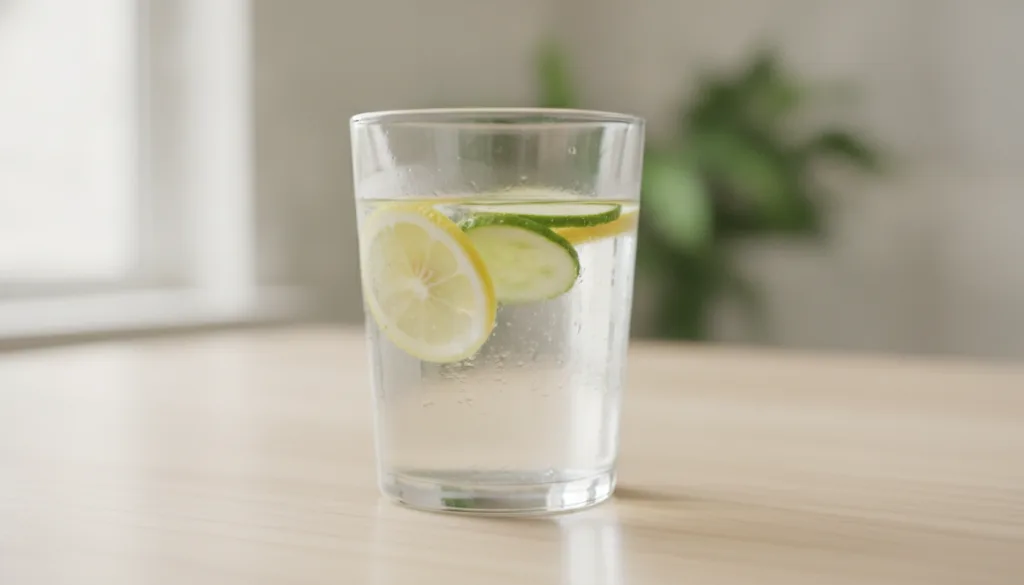
- Infuse Your Water: Add slices of fruit (lemon, cucumber, berries) or herbs (mint) to plain water for a refreshing flavor.
- Drink Before Meals: Having a glass of water before each meal can help with hydration and may aid digestion.
- Eat Water-Rich Foods: Fruits and vegetables like watermelon, strawberries, cucumbers, and lettuce have high water content.
- Choose Water Over Sugary Drinks: Opt for water instead of soda, juice, or sweetened teas to cut down on sugar and boost hydration.
Final Thoughts
The unseen dangers of not drinking enough water are far-reaching and can impact everything from your energy levels and mental clarity to your digestive health and appearance. Prioritizing hydration is one of the simplest, yet most effective, steps you can take toward a healthier, more vibrant you.
Start small, be consistent, and listen to your body’s signals. By understanding the critical role water plays, you’re empowered to make choices that support your overall well-being. How many glasses of water do you drink daily? Let us know in the comments and inspire others!
Medical Disclaimer
The information provided in this article is for general informational purposes only and is not intended as medical advice. Always consult with a qualified healthcare professional before making any decisions about your health or treatment. The content is not a substitute for professional medical advice, diagnosis, or treatment.