Did you know that the foods you choose every day can have a profound impact on your cognitive function and overall brain health? Just like any other organ, your brain thrives on proper nourishment and can be hindered by unhealthy choices. This concept of ‘brain cleaning’ through diet highlights how certain nutrients can help maintain clarity and focus, while others may contribute to mental fog and slower processing.
Understanding which brain foods to embrace and which to limit is a fundamental step toward enhancing your mental well-being. This guide will explore everyday grocery items that can actively support your brain, helping to clear mental fog, boost focus, and contribute to optimal cognitive function.
The Concept of “Brain Cleaning” Through Nutrition
Imagine your brain as a sophisticated machine that requires regular maintenance and the right kind of fuel to operate efficiently. The idea of “brain cleaning” refers to the processes within your body where beneficial compounds from food help protect brain cells, reduce inflammation, and support neural pathways. Conversely, a diet high in detrimental substances can hinder these processes, leading to what some describe as a “dirty” or less efficient brain.
The good news is that you have a powerful tool in your hands: your daily diet. By making informed food choices, you can actively support your brain’s natural ability to function at its best.
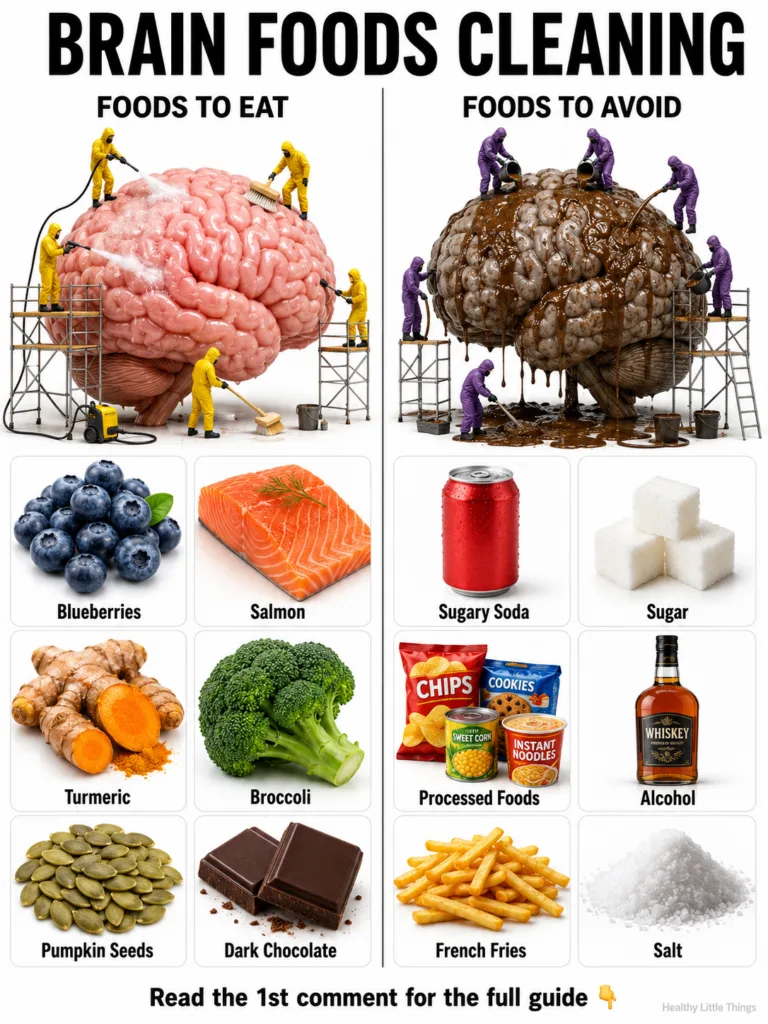
Foods to Embrace for a Sharper Mind
Incorporating these brain-boosting foods into your diet can provide the essential nutrients needed to support cognitive function, memory, and focus.
Blueberries: Your Brain’s Berry Best Friend
Often hailed as a superfood, blueberries are packed with antioxidants, particularly flavonoids, which may help protect the brain from oxidative stress and inflammation. These compounds are commonly associated with improved memory and cognitive performance.
Salmon: The Omega-3 Powerhouse
Fatty fish like salmon are rich in omega-3 fatty acids, especially DHA (docosahexaenoic acid). DHA is a major structural component of the brain and is crucial for brain development and function. Adequate intake of omega-3s may support memory and overall cognitive health.
Turmeric: The Golden Spice for Cognitive Support
This vibrant yellow spice contains curcumin, a powerful anti-inflammatory and antioxidant compound. Research suggests that curcumin may help improve memory and attention, as well as support the growth of new brain cells.
Broccoli: A Nutritional Brain Booster
Broccoli is an excellent source of vitamin K, antioxidants, and other compounds that may help protect brain cells from damage. Its anti-inflammatory properties can contribute to a healthier brain environment.
Pumpkin Seeds: Small but Mighty for Brain Health
These small seeds are concentrated sources of magnesium, iron, zinc, and copper, all of which are important for brain health. Magnesium plays a role in nerve function, zinc is vital for nerve signaling, and iron prevents brain fog.
Dark Chocolate: A Sweet Treat for Cognition
When consumed in moderation and with a high cocoa content, dark chocolate offers flavonoids, caffeine, and antioxidants. These compounds may enhance mood, improve blood flow to the brain, and boost cognitive function.
Foods to Limit for Optimal Brain Health
Just as certain foods can enhance brain function, others can hinder it. Reducing your intake of these items may help protect your brain and maintain mental clarity.
Sugary Drinks and Added Sugars: The Sweet Threat
Excessive consumption of sugary beverages and foods high in added sugars can lead to inflammation and impaired cognitive function. High sugar intake is commonly associated with reduced memory and learning capabilities.
Processed Foods: Convenience at a Cost
Foods like chips, cookies, and instant noodles are often high in unhealthy fats, refined carbohydrates, and additives. These can contribute to inflammation and may negatively impact brain health over time, potentially affecting mood and cognitive performance.
Alcohol Consumption: Impact on Cognitive Function
While moderate alcohol intake is often debated, excessive alcohol consumption can have detrimental effects on the brain. It may lead to impaired memory, reduced cognitive function, and long-term neurological issues.
Fried Foods: A Common Culprit
Deep-fried foods, such as French fries, often contain unhealthy trans fats and advanced glycation end products (AGEs) that can promote inflammation and oxidative stress. These factors are commonly linked to cognitive decline.
Excessive Salt Intake: More Than Just Flavor
A diet high in salt can contribute to high blood pressure, which in turn can impact blood flow to the brain and potentially impair cognitive function. Limiting sodium intake is a good step for overall cardiovascular and brain health.
Practical Tips for Incorporating Brain-Healthy Foods
- Start Your Day Smart: Begin with a breakfast that includes blueberries, a sprinkle of pumpkin seeds on oatmeal, or a salmon scramble.
- Snack Wisely: Opt for a handful of nuts, a piece of dark chocolate, or some fresh fruit instead of processed snacks.
- Hydrate Thoughtfully: Choose water or unsweetened tea over sugary sodas.
- Cook at Home: Preparing meals at home gives you control over ingredients, allowing you to reduce processed components, unhealthy fats, and excessive salt.
- Spice It Up: Incorporate turmeric into your cooking, perhaps in curries, soups, or even smoothies.

Final Thoughts
Your brain is an incredible organ that deserves the best care, and a balanced diet rich in specific brain foods is one of the most effective ways to support its health. By making conscious choices to embrace foods like blueberries, salmon, and broccoli, and by limiting sugary drinks, processed foods, and excessive salt, you can actively contribute to a sharper mind, improved focus, and enhanced cognitive function for years to come.
Medical Disclaimer
This article is intended for informational purposes only and does not constitute medical advice. Always consult with a qualified healthcare professional before making any changes to your diet, especially if you have existing health conditions or concerns.