Don’t Throw Away Your Eggshells! The Secret to a Thriving Garden
Gardening is all about nurturing life and finding clever, sustainable ways to help your plants flourish. What if we told you that one of the best, most natural plant boosters is probably sitting in your kitchen right now, destined for the trash? That’s right – we’re talking about eggshells!
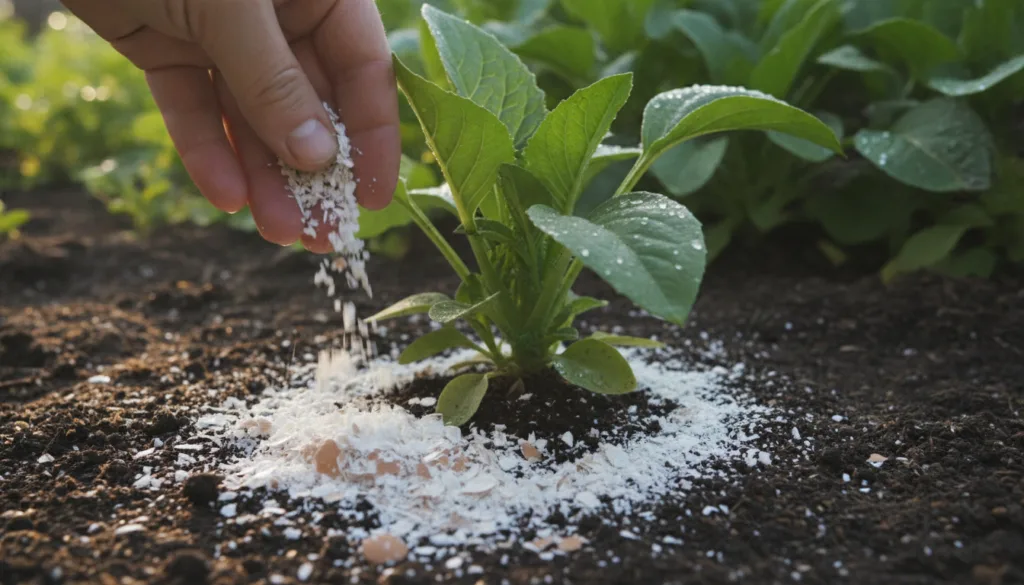
Those humble eggshells are a secret garden superpower, packed with calcium, and they can make a massive difference to the health and productivity of your plants. Forget expensive chemical fertilizers; this guide will show you how to turn your discarded eggshells into a simple, natural calcium drench and soil amendment for healthier growth and bigger harvests. Let’s dig in!
Why Calcium is Essential for Your Plants
Just like humans need calcium for strong bones, plants need it for robust growth and development. Calcium plays several vital roles in plant health:
- Stronger Cell Walls: Calcium helps form strong cell walls, making plants more resilient to pests, diseases, and environmental stress.
- Nutrient Uptake: It aids in the uptake of other essential nutrients from the soil.
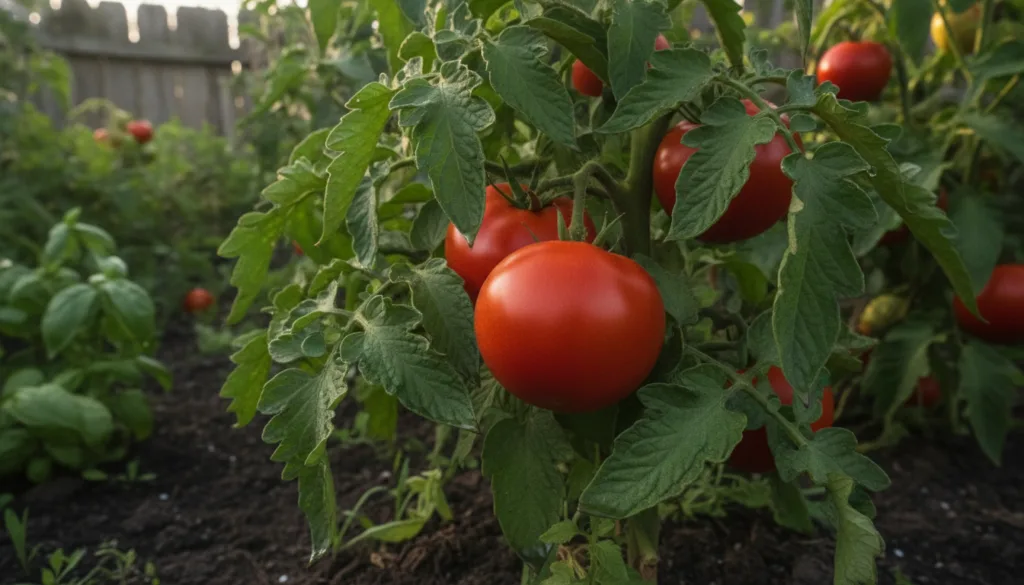
- Preventing Blossom End Rot: This common problem, especially in tomatoes, peppers, and squash, is often caused by a calcium deficiency or inconsistent water supply. Eggshells can be a great preventative measure.
- Root Development: Healthy roots are crucial for a thriving plant, and calcium supports their growth.
Preparing Your Eggshells for the Garden
Turning eggshells into a garden helper is incredibly easy. Here’s how:
- Collect and Rinse: Start by collecting your eggshells. After cracking an egg, give the shells a quick rinse under running water to remove any remaining egg white or yolk. This prevents odors and pests.
- Dry Them Out: Lay the rinsed eggshells on a tray or plate to air dry completely. You can also pop them in a low oven (around 200°F/90°C) for 10-15 minutes or microwave them for a minute or two to speed up the drying process and sterilize them further. Ensure they are bone dry to prevent mold.
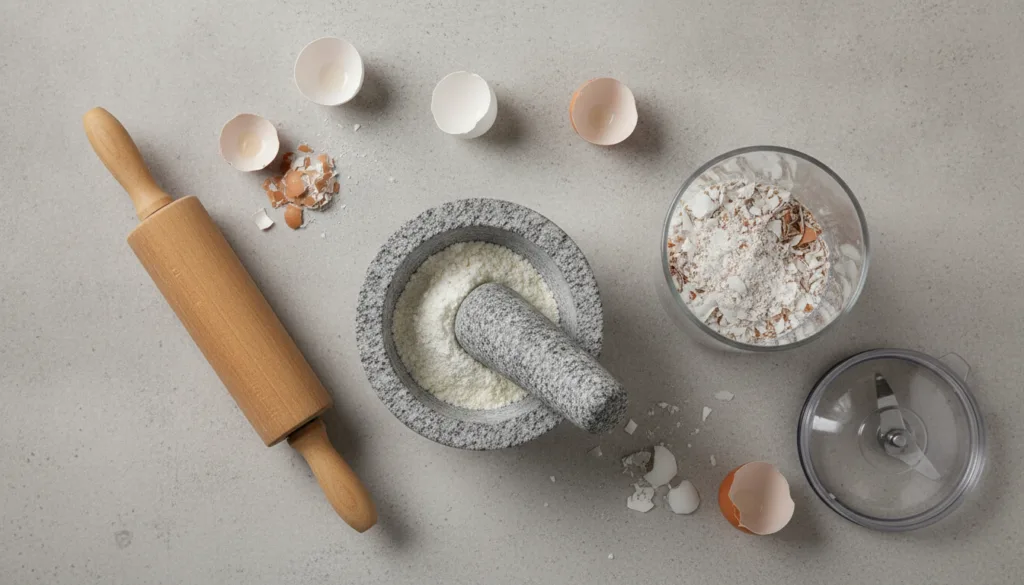
- Crush Them Up: Once dry, crush the eggshells. The finer you crush them, the faster the calcium will be released into the soil. You can use your hands, a rolling pin, a blender, or a coffee grinder for a fine powder.
How to Use Eggshells in Your Garden
1. Direct Soil Amendment
This is the simplest method and great for a slow-release calcium boost.
- For New Plantings: When planting seedlings or new plants, sprinkle a tablespoon or two of crushed eggshells directly into the bottom of the planting hole before placing the plant. Mix it slightly with the soil.
- For Established Plants: Sprinkle crushed eggshells around the base of your existing plants, then gently work them into the topsoil. Water thoroughly afterward. This is especially beneficial for plants prone to blossom end rot.
2. Eggshell Tea (Calcium Drench)
For a quicker calcium boost, an eggshell tea is an excellent option.
- Boil Eggshells: Take about a dozen clean, crushed eggshells and place them in a pot with one gallon of water.
- Simmer: Bring the water to a boil, then reduce the heat and let it simmer for about 15-20 minutes.
- Steep: Turn off the heat and let the eggshells steep in the water overnight or for at least 12 hours. This allows the calcium to leach into the water.
- Strain and Use: Strain out the eggshell pieces (you can add these to your compost!) and use the calcium-rich water to drench the soil around your plants. Apply every 2-4 weeks during the growing season.
3. Add to Compost
Eggshells are a fantastic addition to your compost pile. They break down slowly, adding calcium and other trace minerals, and help aerate the compost. Just remember to crush them first to speed up decomposition.
Which Plants Benefit Most from Eggshells?
While most plants can benefit from a calcium boost, some are particularly appreciative:
- Tomatoes: Highly susceptible to blossom end rot.
- Peppers: Also prone to blossom end rot.
- Squash and Zucchini: Benefit from stronger cell walls and disease resistance.
- Cabbage, Broccoli, and Cauliflower (Brassicas): These leafy greens thrive with good calcium levels.
- Spinach and Lettuce: Improved growth and vigor.
- Roses: Can promote stronger stems and more vibrant blooms.
Tips for Success with Eggshells
- Patience is Key: Eggshells break down slowly, especially when simply crushed and added to soil. The calcium release is gradual, so don’t expect instant results. Eggshell tea offers a quicker solution.
- Don’t Overdo It: While calcium is good, too much of anything can be detrimental. Use eggshells as a supplement, not a primary fertilizer, and observe your plants.
- Combine with Other Organic Practices: Eggshells are a piece of the puzzle. Combine them with good soil practices, regular watering, and balanced organic fertilization for the best results.
- No Raw Egg: Always ensure eggshells are cleaned and dry to avoid attracting pests or introducing pathogens.
Give Your Garden a Natural Boost!
Next time you crack an egg, think twice before tossing that shell! You’re holding a free, natural resource that can significantly enhance your garden’s health and productivity. It’s a simple, sustainable hack that aligns perfectly with organic gardening principles and helps you reduce waste.
Have you tried this natural plant booster before? Share your experience below – we’d love to hear your success stories and tips!