There’s nothing quite like the satisfaction of harvesting fresh, vibrant produce from your own garden. But what happens when your cucumbers are overflowing, your tomatoes ripen all at once, or your herb patch becomes a lush jungle? Don’t let your hard work go to waste! Learning to harvest hard and store smart is the key to enjoying your garden’s bounty year-round.
This essential guide will walk you through the best practices for harvesting and a variety of clever storage methods, ensuring you can savor the taste of your garden long after the growing season ends. Let’s dive in!
The Art of Harvesting Right: Timing is Everything
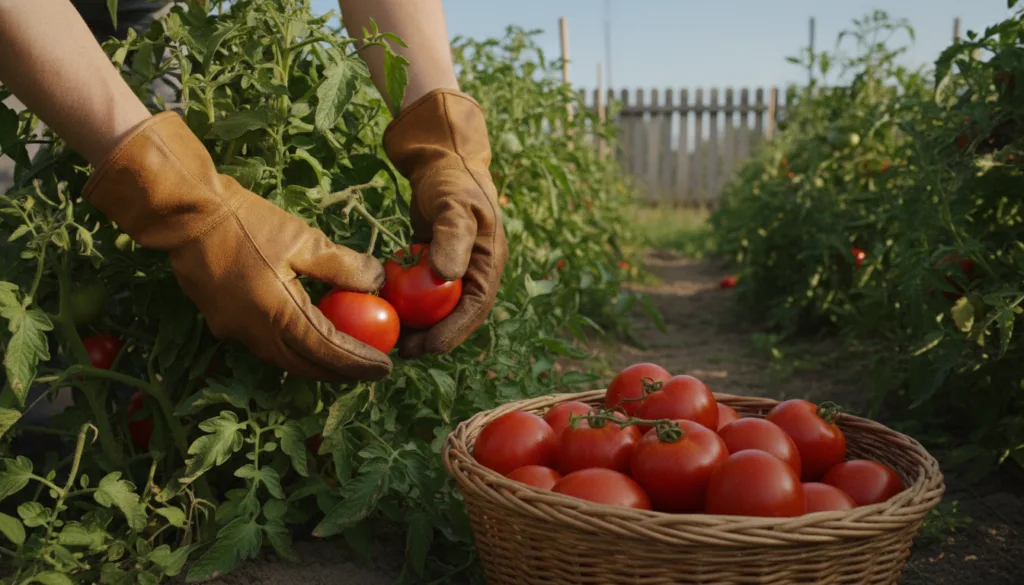
Proper harvesting is the first step in successful preservation. Picking your produce at the peak of ripeness not only guarantees the best flavor and nutritional value but also helps it last longer. Here are some general tips:
- Know Your Plants: Each vegetable and fruit has an ideal harvesting stage. For example, green beans are best picked young and tender, while winter squash needs to mature fully on the vine.
- Morning Glory: Harvest most vegetables and herbs in the cool morning after the dew has dried. This helps them retain moisture and stay crisp.
- Gentle Touch: Always handle your produce with care to avoid bruising, which can accelerate spoilage. Use clean, sharp tools for cutting to prevent damage to the plant and the fruit/vegetable.
- Regular Harvesting: For many plants like zucchini, cucumbers, and beans, regular harvesting encourages more production. Don’t let them get too big!
Smart Storage Methods for Year-Round Enjoyment
Once you’ve harvested your treasures, it’s time to choose the best storage method. Different types of produce require different approaches to maximize their shelf life and flavor.
1. Refrigeration (Short-Term Freshness)
Many common vegetables and fruits do well in the refrigerator for a few days to a couple of weeks. Store them in airtight containers or reusable produce bags to maintain moisture and prevent wilting.
- Leafy Greens: Wash, dry thoroughly, and store in a container lined with a paper towel.
- Berries: Wash just before eating. Store unwashed in a single layer in a shallow container.
- Root Vegetables (Carrots, Beets): Remove greens, store unwashed in a plastic bag in the crisper drawer.
2. Freezing (Long-Term Convenience)
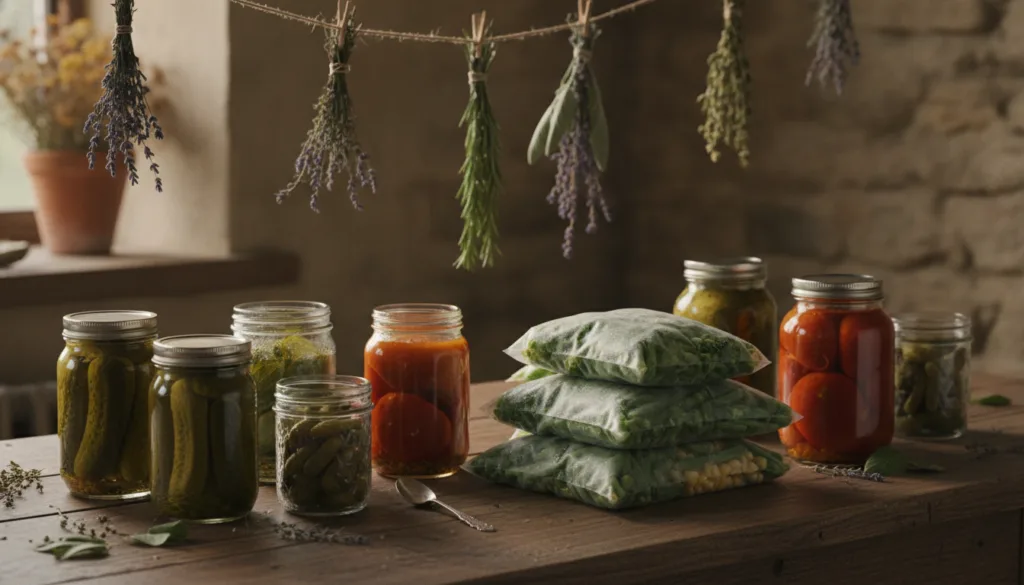
Freezing is fantastic for preserving the flavor and nutrients of many vegetables and fruits. Most vegetables benefit from blanching (briefly boiling then plunging into ice water) before freezing to stop enzyme action and maintain quality.
- Berries: Freeze individually on a baking sheet, then transfer to freezer bags.
- Chopped Vegetables (Broccoli, Green Beans, Corn): Blanch, cool, then pack into freezer-safe bags or containers.
- Herbs: Chop and freeze in olive oil or water in ice cube trays.
3. Canning (The Classic Method)
Canning uses heat to seal food in jars, creating a vacuum that prevents spoilage. It’s excellent for acidic foods like tomatoes and fruits (water bath canning) or low-acid foods like most vegetables and meats (pressure canning).
- Jams & Jellies: A delicious way to preserve fruits.
- Pickles: Cucumbers, beans, and even carrots can be deliciously pickled.
- Salsas & Tomato Sauce: Enjoy garden-fresh flavors all winter.
4. Dehydrating (Concentrated Flavor)
Dehydration removes moisture from food, inhibiting microbial growth. It’s perfect for herbs, fruit leathers, and even vegetable chips.
- Herbs: Hang to dry or use a dehydrator/oven on low heat.
- Fruit Slices (Apples, Pears, Bananas): Great for healthy snacks.
5. Root Cellaring & Cool Storage (Natural Preservation)
If you have a cool, dark, and humid space (like a basement or garage), you can store certain root vegetables and fruits for months without electricity.
- Potatoes & Sweet Potatoes: Store in a dark, well-ventilated area.
- Apples & Pears: Store carefully, ensuring no bruised spots, in a cool, humid environment.
6. Fermentation (Probiotic Power)
Fermentation is an ancient preservation method that not only extends shelf life but also creates beneficial probiotics. Think sauerkraut and kimchi!
- Cabbage: Transform into delicious sauerkraut.
- Cucumbers: Make traditional dill pickles.
Tips for Long-Term Success
- Label Everything: Always label your preserved goods with the date and contents. You’ll thank yourself later!
- Use Proper Containers: Invest in quality freezer bags, canning jars, and storage containers to ensure food safety and longevity.
- Rotate Your Stock: Use older preserved items first to prevent waste and maintain freshness.
- Practice Food Safety: When canning or fermenting, always follow reputable guidelines and recipes to ensure your food is safe to eat.
Embrace Your Inner Preserver!
Preserving your garden harvest is a rewarding extension of the gardening journey. It allows you to reduce food waste, enjoy homegrown flavors year-round, and feel a deeper connection to your food source. Whether you’re a seasoned preserver or just starting, there’s a method for everyone.
What are your favorite ways to preserve your garden’s bounty? Share your tips and tricks in the comments below!