Are you looking for a simple, sustainable, and surprisingly effective way to boost your garden’s health? Look no further than your morning coffee! Those humble coffee grounds you usually discard are a treasure trove of nutrients, ready to transform your plants into vibrant, thriving beauties. At Garden – L. Quyên, we love sharing easy, eco-friendly tips, and using coffee grounds is one of our favorites!
Why Coffee Grounds Are a Gardener’s Best Friend
Used coffee grounds are more than just waste; they’re a natural, organic fertilizer packed with goodness. Here’s why your garden will thank you for them:
- Nutrient Boost: Coffee grounds contain essential nutrients like nitrogen, potassium, and phosphorus, crucial for healthy plant growth, lush foliage, and strong roots. They also offer smaller amounts of magnesium and copper.
- Improved Soil Structure: Incorporating coffee grounds into your soil can improve its drainage and aeration, creating a better environment for roots to grow and absorb water and nutrients.
- Attract Earthworms: Earthworms are gardeners’ allies, and they love coffee grounds! These beneficial creatures help aerate the soil and break down organic matter, further enriching your garden.
- Pest Deterrent: The strong scent and texture of coffee grounds can help deter common garden pests like slugs, snails, and even cats who might try to use your garden as a litter box.
- Acidity for Acid-Loving Plants: While used coffee grounds are largely neutral, they retain a slight acidity that can benefit plants that thrive in acidic soil.
How to Use Coffee Grounds in Your Garden
There are several easy ways to incorporate coffee grounds into your gardening routine:
1. Sprinkle Directly Around Plants
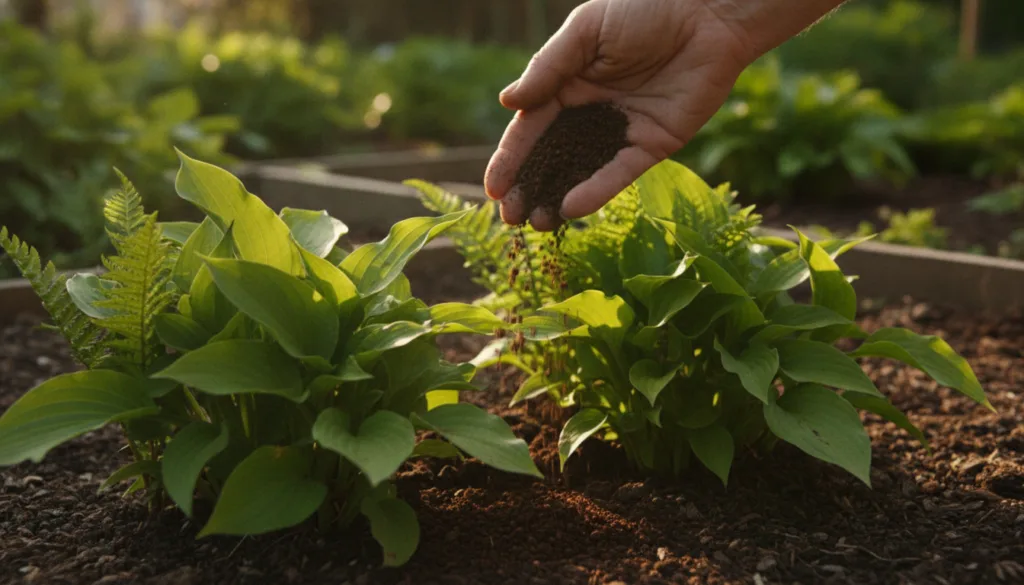
This is the simplest method! After brewing your coffee, let the grounds cool and dry slightly. Then, sprinkle a thin layer around the base of your plants, avoiding direct contact with the stem. Gently work them into the top inch or two of soil. This method is especially beneficial for acid-loving plants.
2. Add to Your Compost Pile
Coffee grounds are an excellent addition to your compost bin. They’re considered a ‘green’ material, providing nitrogen that helps heat up the compost pile and speed up decomposition. Mix them with ‘brown’ materials like dry leaves and shredded paper for a balanced compost.
3. Create a Liquid Fertilizer
For a nutrient-rich liquid feed, mix about a cup of used coffee grounds with five gallons of water. Let it steep for a few hours or overnight, then strain the mixture. Use this ‘coffee tea’ to water your plants, providing them with a gentle nutrient boost. This is perfect for houseplants and seedlings.
4. Use as a Pest Barrier
Create a barrier around sensitive plants by sprinkling a ring of coffee grounds. The gritty texture and strong smell can deter slugs and snails from crossing, and the aroma might keep other curious critters at bay.
Which Plants Love Coffee Grounds?
Many plants thrive with a little coffee ground love, especially those that prefer slightly acidic soil:
- Roses: Promotes stronger growth and more vibrant blooms.
- Blueberries: Essential for their acidic soil preference, leading to better fruit production.
- Azaleas & Rhododendrons: These acid-loving beauties flourish with a coffee ground boost.
- Hydrangeas: Can even influence flower color, making pink hydrangeas bluer!
- Carrots & Radishes: Mixing grounds into the soil before planting can help deter root maggots and provide nutrients.
- Foliage Plants: Ferns, hollies, and evergreens often appreciate the nitrogen.
A Word of Caution: Plants That Might Not Be Fans
While most plants benefit, some prefer alkaline soil and might not appreciate the slight acidity from coffee grounds. These include lavender, rosemary, and some vegetables like asparagus. Always observe your plants and adjust accordingly.
Important Tips for Success
- Use *Used* Grounds: Fresh coffee grounds are much more acidic than used ones. Always use grounds that have already been brewed.
- Don’t Overdo It: A little goes a long way! Too much coffee ground can create a dense layer that hinders water penetration or even lead to nutrient imbalances. Apply in thin layers.
- Mix with Soil: For best results, lightly rake or mix the grounds into the topsoil rather than leaving a thick layer on the surface, which can sometimes compact or mold.
- Observe Your Plants: Every garden is unique. Pay attention to how your plants respond and adjust your application method and frequency as needed.
Start Nourishing Your Garden Naturally Today!
Integrating coffee grounds into your gardening routine is a fantastic way to practice sustainable gardening, reduce waste, and give your plants a natural, healthy boost. It’s an easy, budget-friendly tip that aligns perfectly with our philosophy at Garden – L. Quyên: simple steps for a beautiful, thriving garden.
Try it out and watch your garden flourish! Do you use coffee grounds in your garden? Share your tips and experiences in the comments below!