Are you feeling a bit ‘off’ lately, wondering why you’re always tired, bloated, or struggling to focus? Your body is an incredible communicator, constantly sending subtle signals about its needs. Often, these aren’t just minor annoyances; they’re whispers from your system, guiding you towards better health.
Instead of ignoring these cues, what if we learned to listen? Many common discomforts can be addressed by simple, natural food solutions that nourish your body from the inside out. Understanding these connections can empower you to make dietary choices that genuinely support your well-being.
In this guide, we’ll help you decode some of your body’s most common signals and explore specific natural foods that may help provide the solutions you’re looking for. It’s time to tune in and embrace a more intuitive approach to your health.
Decoding Your Body’s Signals: A Natural Approach to Wellness
Our bodies are complex systems, and sometimes, a deficiency or imbalance can manifest as a noticeable symptom. By identifying these signals and understanding which nutrients are commonly involved, we can make informed decisions about the foods we eat. This natural approach focuses on providing your body with the building blocks it needs to thrive.
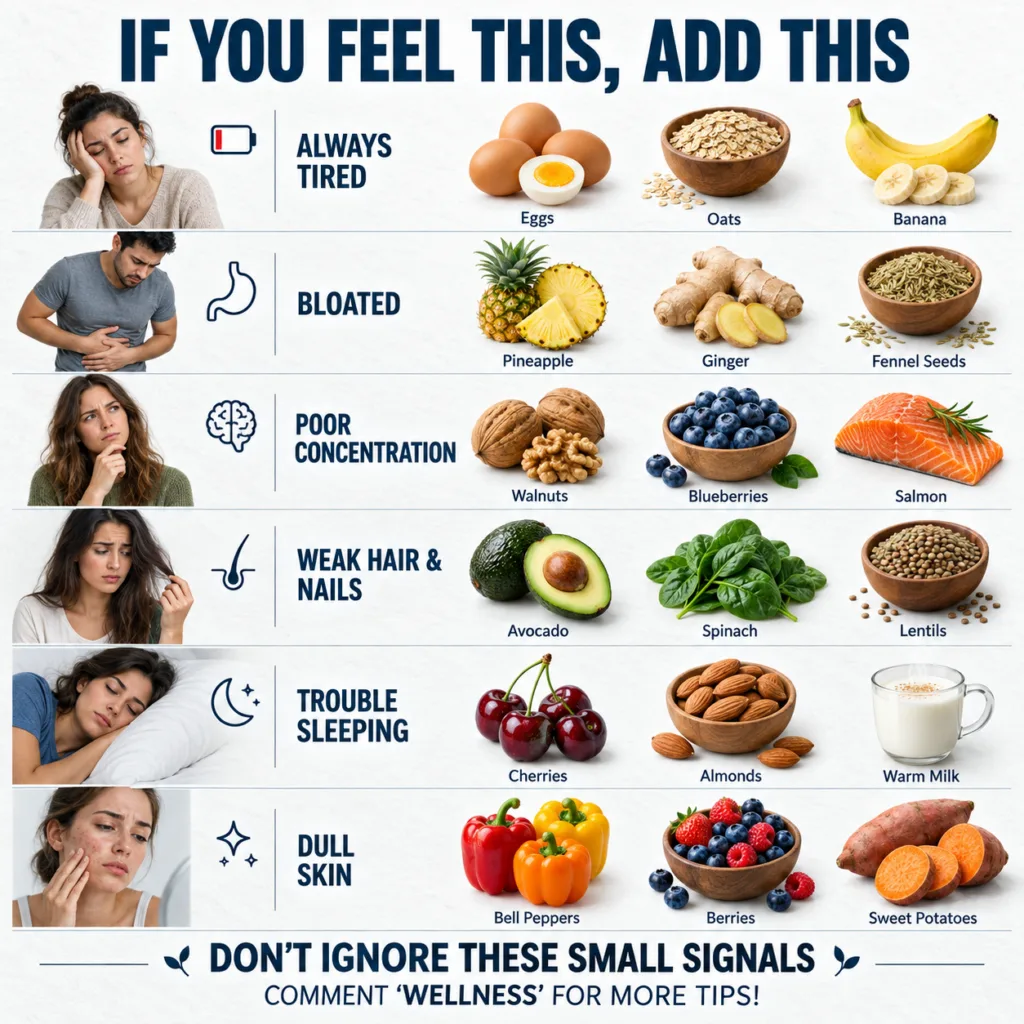
Signal 1: Always Tired
Persistent fatigue, even after a full night’s sleep, can be more than just a sign of a busy schedule. It often points to a need for sustained energy from nutrient-rich foods that support your body’s energy production systems.
Natural Boosters for Energy
- Spinach: This leafy green is a fantastic source of iron, a crucial mineral for transporting oxygen in the blood, and magnesium, which plays a role in energy metabolism. Including spinach in your diet can contribute to reduced fatigue.
- Lentils: As a powerhouse of plant-based protein, complex carbohydrates, and iron, lentils offer sustained energy release without the sharp peaks and crashes associated with simple sugars. They are also rich in B vitamins, essential for converting food into energy.
- Quinoa: Often called a ‘superfood,’ quinoa is a complete protein, meaning it contains all nine essential amino acids. It’s also a good source of iron and B vitamins, making it an excellent choice for combating tiredness and supporting overall vitality.
Signal 2: Feeling Bloated
Bloating, characterized by a feeling of fullness, tightness, or swelling in the abdomen, is a common digestive complaint. It can be uncomfortable and disruptive, often indicating an imbalance in gut health or a need for certain digestive aids.
Foods to Calm Your Gut
- Ginger: Renowned for its anti-inflammatory and carminative properties, ginger can help relax the muscles in the digestive tract, reduce gas, and soothe an upset stomach. It’s a popular natural remedy for bloating and indigestion.
- Avocado: Rich in healthy monounsaturated fats, fiber, and potassium, avocados can support healthy digestion and fluid balance. The fiber helps promote regularity, which can reduce bloating caused by constipation.
- Banana: These easily digestible fruits are a good source of potassium, which helps counteract sodium and reduce water retention that can contribute to bloating. They also contain prebiotics, which feed beneficial gut bacteria.
Signal 3: Poor Concentration
If you’re experiencing brain fog, difficulty focusing, or struggling with memory recall, your brain might be signaling a need for specific nutrients that support cognitive function and nerve health.
Brain-Boosting Foods for Focus
- Blueberries: Often called ‘brain berries,’ blueberries are packed with antioxidants, particularly flavonoids, which are believed to improve memory and cognitive function. Regular consumption may help protect brain cells from damage.
- Walnuts: These nuts are an excellent source of omega-3 fatty acids, especially alpha-linolenic acid (ALA), which are vital for brain health and may improve cognitive performance. They also contain antioxidants and vitamin E.
- Eggs: Eggs are a fantastic source of choline, a nutrient critical for brain development and the production of acetylcholine, a neurotransmitter important for memory and mood. They are also a staple in many healthy breakfast ideas for sustained energy and focus.
Signal 4: Weak Hair & Nails
Brittle nails, dull hair, and slow hair growth can be tell-tale signs of nutrient deficiencies. Your hair and nails are indicators of your body’s overall nutritional status and require specific vitamins and minerals to maintain their strength and luster.
Nourishing Your Hair and Nails
- Salmon: This fatty fish is loaded with omega-3 fatty acids, which are crucial for scalp health and hair growth, as well as high-quality protein and biotin, both essential for strong hair and nails.
- Sweet Potato: Rich in beta-carotene, which the body converts to vitamin A, sweet potatoes are vital for cell growth, including hair and nail cells. They also provide biotin, which may help strengthen brittle nails and promote hair growth.
- Pumpkin Seeds: These small but mighty seeds are an excellent source of zinc, a mineral essential for cell division and growth, and iron, which can prevent hair loss. They also provide healthy fats and protein, all contributing to healthier hair and nails.
Signal 5: Trouble Sleeping
If you find yourself tossing and turning at night, struggling to fall asleep, or waking up frequently, your body might be craving nutrients that promote relaxation and regulate sleep cycles.
Foods for a Restful Night
- Cherries: Particularly tart cherries, are a natural source of melatonin, the hormone that helps regulate your sleep-wake cycle. Consuming cherries or cherry juice may help improve sleep quality and duration.
- Almonds: These nuts are a good source of magnesium, a mineral known for its muscle-relaxing properties, and tryptophan, an amino acid that the body uses to produce melatonin and serotonin, promoting calmness.
- Whole Grains: Foods like oats, barley, and brown rice contain complex carbohydrates that can help boost serotonin production, a neurotransmitter that has a calming effect. They also provide magnesium and B vitamins, which support healthy sleep.
Signal 6: Dull Skin
Skin that lacks radiance, appears dry, or has an uneven tone often reflects what’s happening internally. Healthy, glowing skin is a visible sign of good hydration and a diet rich in antioxidants and essential nutrients.
Radiance-Boosting Foods for Healthy Skin
- Berries: Loaded with antioxidants, especially vitamin C, berries help protect skin cells from damage caused by free radicals and support collagen production, which is essential for skin elasticity and firmness. They are fantastic for achieving that healthy glow.
- Sweet Potato: Beyond helping hair and nails, sweet potatoes’ beta-carotene content also contributes to healthy skin by protecting against sun damage and promoting skin cell turnover, leaving your complexion fresh and vibrant.
- Spinach: This leafy green provides a powerful combination of vitamins A, C, and E, as well as antioxidants and iron. These nutrients help maintain skin hydration, reduce inflammation, and protect skin from environmental damage, contributing to a clearer, more radiant complexion.
By learning to listen to your body and integrating these natural food solutions into your diet, you can address common discomforts and proactively support your overall wellness journey. Small changes in your eating habits can lead to significant improvements in how you feel and look.
Final Thoughts
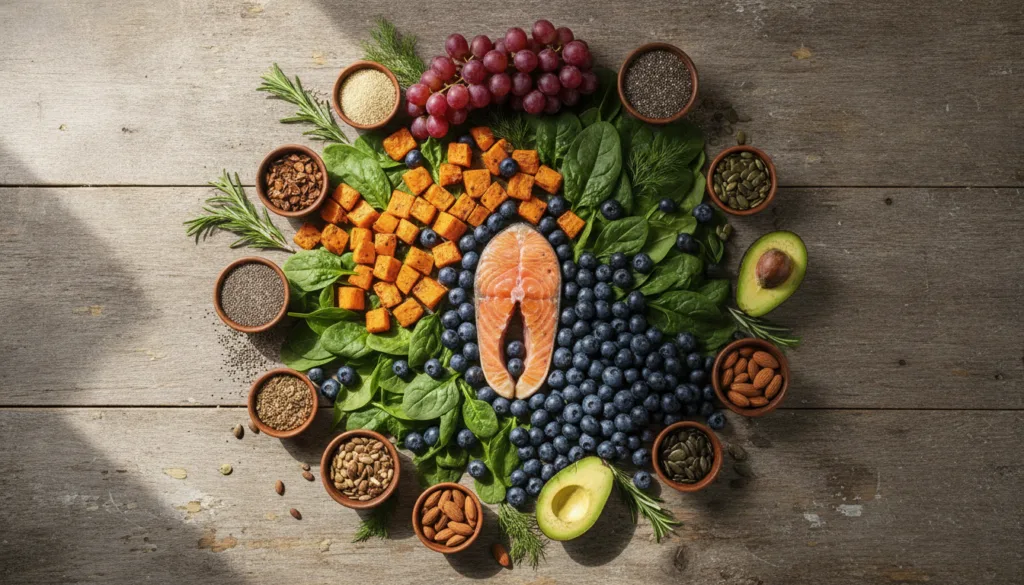
Your body is a remarkable instrument, and its signals are not meant to be ignored. By paying attention to what it’s telling you—whether it’s persistent tiredness, digestive issues, or a lack of focus—you open the door to natural, nourishing solutions. Incorporating foods like spinach for energy, ginger for bloating, blueberries for concentration, and cherries for sleep can make a significant difference.
Remember, true wellness comes from a holistic approach, where mindful eating plays a central role. Empower yourself by choosing nutrient-dense foods that support your body’s intricate processes. Start small, listen closely, and enjoy the journey to a healthier, more vibrant you.
Medical Disclaimer
The information provided in this article is for general informational purposes only and does not constitute medical advice. It is not intended to diagnose, treat, cure, or prevent any disease. Always consult with a qualified healthcare professional before making any changes to your diet, exercise routine, or treatment plan, especially if you have any pre-existing health conditions or concerns.