Discover how certain foods can play a vital role in supporting your kidney health and overall well-being. The foods we consume profoundly impact every system in our body, including our kidneys, which tirelessly filter waste and maintain fluid balance. Understanding which natural ingredients can offer a helping hand to these essential organs is a cornerstone of proactive health.
In this guide, we’ll explore key nutrients and everyday foods that may help maintain healthy kidney function, based on their specific beneficial properties. From flushing toxins to offering protection, these simple additions to your diet can make a meaningful difference.
Understanding Kidney Health and the Role of Diet
Our kidneys are two bean-shaped organs, each about the size of a fist, located just below the rib cage on either side of the spine. They perform several vital functions, including filtering about half a cup of blood every minute, removing wastes and extra water to make urine. Kidneys also produce hormones that help regulate blood pressure, make red blood cells, and keep bones strong.
A balanced diet is crucial for kidney health. While some foods can place a strain on these organs, others provide essential nutrients and compounds that support their functions, promote detoxification, and help prevent common issues. Incorporating kidney-friendly foods into your daily routine is a simple yet effective strategy for long-term wellness.
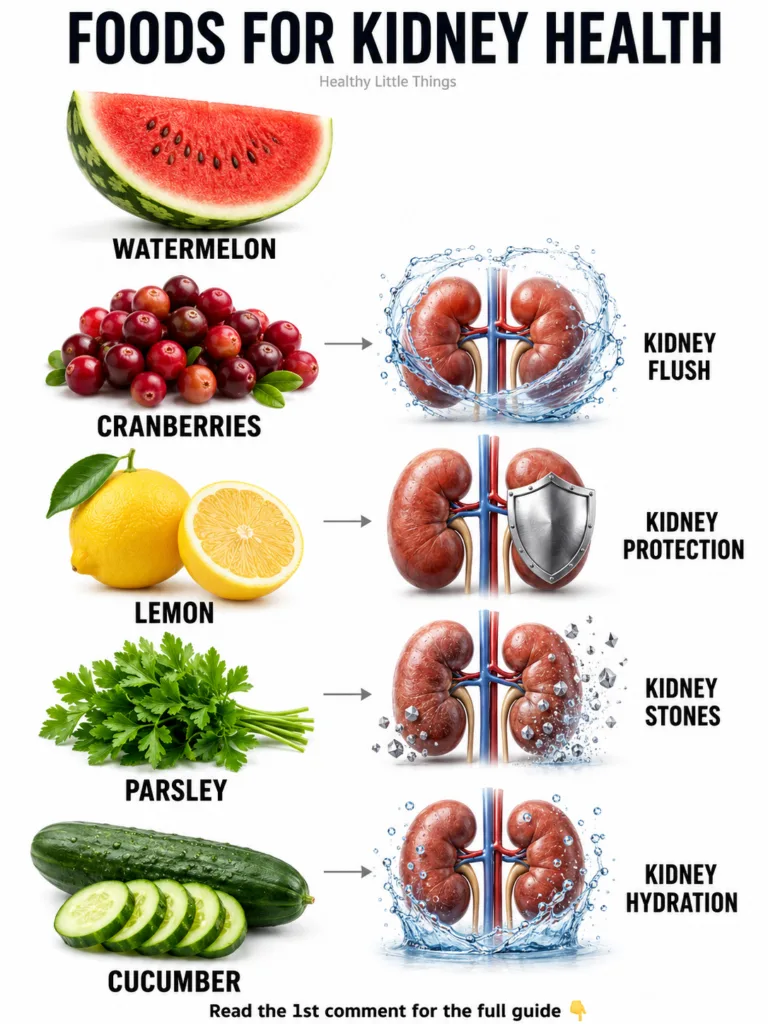
Key Foods for Kidney Support
Let’s delve into specific foods that are celebrated for their supportive roles in kidney health, outlining how each one contributes to the well-being of these vital organs.
Watermelon and Cranberries: Your Natural Kidney Flush
Both watermelon and cranberries are renowned for their potential to act as natural kidney flushes, helping to cleanse the kidneys and promote healthy urine flow.
- Watermelon: This hydrating fruit is packed with water, making it an excellent natural diuretic. Its high water content helps increase urine production, which in turn can help flush out toxins and waste products from the kidneys. Watermelon also contains lycopene, an antioxidant that may offer protective benefits.
- Cranberries: Long celebrated for their urinary tract health benefits, cranberries are rich in unique compounds called proanthocyanidins (PACs). These compounds are believed to help prevent certain bacteria from sticking to the walls of the urinary tract, which can contribute to a healthier environment for the kidneys by reducing the risk of urinary infections.
How to enjoy: Incorporate fresh watermelon slices into your daily snacks, or blend it into refreshing smoothies. Enjoy cranberries as a snack, add them to your oatmeal, or consume unsweetened cranberry juice in moderation.
Lemon: A Protective Boost for Your Kidneys
Lemon, a versatile citrus fruit, offers significant benefits for kidney protection, primarily through its high citrate content.
- Citrate Content: Lemons are a rich source of citrate, a natural inhibitor of kidney stones. Citrate binds to calcium in the urine, preventing the formation of calcium oxalate crystals, which are the most common type of kidney stone.
- Antioxidants and Vitamin C: Beyond citrate, lemons provide a good dose of vitamin C and other antioxidants, which can help combat oxidative stress and support overall cellular health within the kidneys.
How to enjoy: Starting your day with a glass of warm lemon water is a popular way to harness its benefits. You can also add lemon juice to dressings, marinades, or squeeze it over cooked vegetables and salads for a zesty, kidney-friendly flavor boost.
Parsley: Supporting Against Kidney Stones
Parsley, a common herb, is traditionally used for its diuretic properties and potential role in supporting individuals prone to kidney stones.
- Diuretic Properties: Parsley can act as a natural diuretic, promoting increased urine output. This increased flow helps to flush the kidneys and urinary tract, potentially reducing the concentration of minerals that can lead to stone formation.
- Nutrient-Rich: It’s also a good source of vitamins K, C, and A, along with various antioxidants and flavonoids, which contribute to its overall health-promoting profile.
How to enjoy: Fresh parsley can be chopped and added to salads, soups, stews, and smoothies. You can also make a simple parsley tea by steeping fresh parsley leaves in hot water for a few minutes, then straining and drinking.
Cucumber: Essential for Kidney Hydration
Cucumbers are synonymous with hydration, making them an excellent choice for supporting kidney function.
- High Water Content: Comprising about 95% water, cucumbers are incredibly hydrating. Adequate hydration is fundamental for healthy kidney function, as it helps the kidneys filter waste products efficiently and supports the healthy flow of urine.
- Electrolytes and Nutrients: Cucumbers also provide small amounts of essential electrolytes like potassium and magnesium, which contribute to fluid balance and nerve function.
How to enjoy: Sliced cucumber is a refreshing snack on its own, or added to salads and sandwiches. Infuse your drinking water with cucumber slices for a subtle flavor and an easy way to boost your daily water intake. It’s an ideal addition to any healthy meal prep strategy.
Incorporating Kidney-Friendly Foods into Your Daily Routine
Making these foods a regular part of your diet doesn’t have to be complicated. Here are some simple ideas:
- Morning Refresh: Start your day with a glass of warm lemon water or add cucumber slices to your water bottle.
- Snack Smart: Keep sliced watermelon and cucumber readily available for healthy snacking throughout the day.
- Meal Enhancers: Garnish your main dishes with fresh parsley. Add cranberries to your breakfast oatmeal or yogurt.
- Smoothie Boosts: Blend watermelon, a squeeze of lemon, and a few parsley sprigs into a refreshing and kidney-supportive smoothie.

Frequently Asked Questions About Kidney Health and Diet
Can these foods prevent kidney disease?
While these foods can support kidney function and may help manage certain conditions like kidney stones, they are not a cure or guaranteed preventative for all kidney diseases. A balanced diet, healthy lifestyle, and regular medical check-ups are key to overall kidney health. Always consult a healthcare professional for specific medical advice.
Are there any foods I should limit for kidney health?
For general kidney health, it’s often recommended to limit high-sodium processed foods, excessive protein intake, and foods high in unhealthy fats. If you have existing kidney conditions, your doctor or a registered dietitian may recommend a more specific dietary plan.
How much water should I drink for kidney health?
General recommendations suggest drinking around eight 8-ounce glasses of water per day, but individual needs vary based on activity level, climate, and health conditions. Consult your doctor for personalized hydration advice.
Final Thoughts
Embracing a diet rich in kidney-friendly foods like watermelon, cranberries, lemon, parsley, and cucumber is a proactive step towards maintaining optimal kidney health and overall vitality. These natural ingredients offer a spectrum of benefits, from promoting detoxification to protecting against common issues. Remember, a balanced lifestyle, consistent hydration, and professional medical guidance are all integral components of supporting these vital organs.
By making conscious choices about what you eat, you empower your body to perform its best, ensuring your kidneys continue their crucial work day in and day out.
Medical Disclaimer
The information provided in this article is for educational and informational purposes only and is not intended as medical advice. Always consult with a qualified healthcare professional before making any decisions about your health, diet, or treatment plans, especially if you have a medical condition or are taking medication.