Unlock the Secret to Thriving Container Plants!
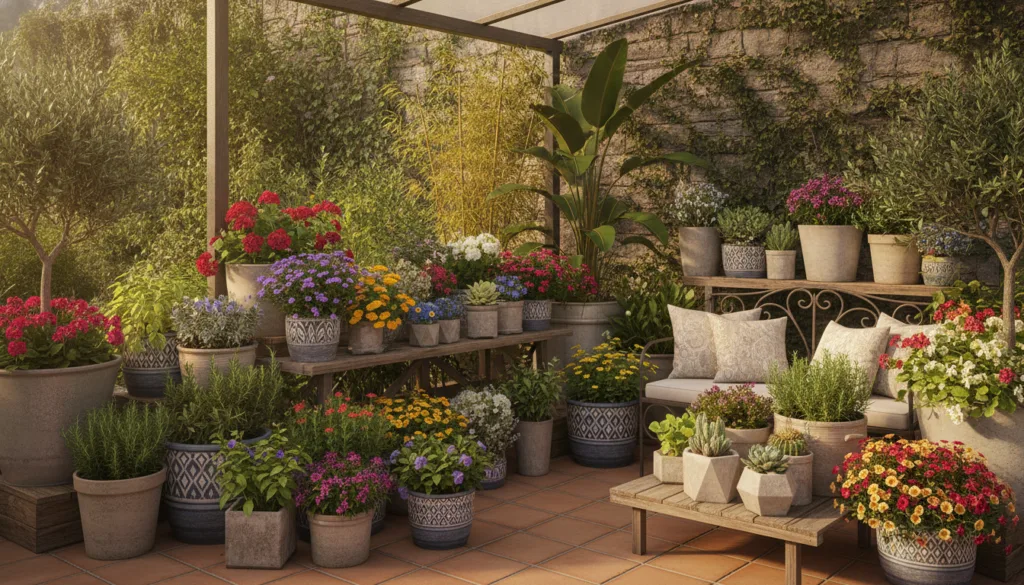
Container gardening offers a fantastic way to enjoy fresh produce, beautiful flowers, and lush greenery, even if you have limited space. Whether you’re on a small balcony, a sunny patio, or simply want to add a touch of nature indoors, containers are your best friend. But have you ever wondered why some of your potted plants flourish while others struggle?
Often, the secret lies in a single, crucial choice: the pot size. It might seem simple, but selecting the right container can make all the difference between a happy, healthy plant and one that’s constantly battling for survival. Let’s dive into why pot size matters and how to choose the perfect home for your green companions.
Why Pot Size is a Game-Changer for Your Plants
Imagine living in a house that’s either too cramped or excessively spacious for your needs. Plants feel the same way! The pot size directly impacts several vital aspects of your plant’s health:
- Root Development: Roots need space to grow, spread, and absorb water and nutrients. A pot that’s too small will restrict root growth, leading to a root-bound plant that can’t take in enough sustenance. Conversely, a pot that’s too large can mean the soil stays wet for too long, encouraging root rot.
- Moisture Retention: Smaller pots dry out much faster, requiring more frequent watering. Larger pots hold more soil and moisture, which can be beneficial for thirsty plants but problematic for those that prefer drier conditions, or in areas with high humidity.
- Nutrient Availability: The amount of soil directly correlates to the reservoir of nutrients available to your plant. A tiny pot means fewer nutrients, demanding more frequent fertilization.
- Stability: Tall or top-heavy plants in small, light pots are prone to toppling over, especially in windy conditions. A larger, heavier pot provides better anchorage.
General Guidelines for Choosing the Right Pot Size
While specific plant needs vary, these general guidelines can help you get started:
-
Small Plants (Herbs, Lettuce, Annual Flowers like Marigolds, Pansies)
For most small herbs like basil, thyme, or cilantro, and compact annuals, a pot that is 6-8 inches (15-20 cm) in diameter is often sufficient. Shallow-rooted greens like lettuce can do well in wider, shallower containers.
-
Medium Plants (Bushy Vegetables like Peppers, Smaller Tomatoes, Strawberries, Perennials)
These plants need more root space. Aim for pots that are 10-14 inches (25-35 cm) in diameter. Determinant (bush) tomato varieties, peppers, and most strawberry plants will appreciate this size.
-
Large Plants (Vining Tomatoes, Zucchini, Small Fruit Trees, Shrubs, Large Perennials)
For hungry, sprawling plants like indeterminate tomatoes, zucchini, cucumbers, or small fruit trees (e.g., dwarf citrus), you’ll need substantial pots. Look for containers that are 18-24 inches (45-60 cm) or even larger in diameter and depth. These larger pots provide ample room for roots, hold more moisture, and offer better stability.
Factors to Consider Beyond Just Plant Size
- Root System Type: Some plants, like carrots or indeterminate tomatoes, have deep taproots or extensive root systems and will need deeper pots. Others, like succulents or most herbs, have shallower roots and can tolerate shallower containers, provided they are wide enough.
- Watering Habits: If you tend to forget to water, a larger pot will give you more leeway as it retains moisture longer. If you’re an attentive waterer, a slightly smaller pot might work, but always prioritize the plant’s root needs.
- Growth Rate: Fast-growing plants will quickly outgrow their pots and require more frequent repotting. If you want to avoid constant repotting, start them in a slightly larger pot.
- Pot Material: Terracotta pots are porous and dry out faster, which can be great for plants that dislike wet feet but means more frequent watering. Plastic and glazed ceramic pots retain moisture longer. Fabric grow bags offer excellent aeration but can also dry out quicker.
- Drainage: Regardless of size or material, excellent drainage is non-negotiable. Always choose pots with drainage holes to prevent waterlogging and root rot.
Signs Your Plant Needs a Bigger Pot
Your plants will often tell you when they’re unhappy with their living situation. Look for these clues:
- Roots growing out of the drainage holes or visible on the soil surface.
- The plant’s growth has stunted, or it looks disproportionately large for its pot.
- The soil dries out incredibly quickly, requiring daily watering, even in moderate weather.
- The plant frequently wilts, even if the soil seems moist.
- The plant becomes top-heavy and unstable.
Tips for Container Gardening Success
Once you’ve chosen the right pot, here are a few more tips to ensure your plants thrive:
- Use Quality Potting Mix: Never use garden soil in containers; it’s too dense and doesn’t drain well. Opt for a high-quality, lightweight potting mix designed for containers.
- Water Correctly: Water until it drains out the bottom. Allow the top inch or two of soil to dry out between waterings for most plants.
- Fertilize Regularly: Nutrients in potting mix deplete faster than in garden soil. Use a balanced liquid fertilizer or slow-release granules as directed by the product.
- Repot When Necessary: Even if you start with the right size, your plant may eventually need an upgrade. Repotting into a slightly larger container every 1-2 years can keep perennials and shrubs healthy.
Choosing the right pot size is a fundamental step towards a flourishing container garden. By understanding your plants’ needs and observing their growth, you’ll be well on your way to enjoying a bountiful and beautiful potted paradise. Happy gardening!