Are you dreaming of a lush garden filled with fresh herbs, vibrant flowers, or homegrown vegetables, but feel limited by space or budget? Good news! You don’t need fancy pots or a massive backyard to make your green dreams a reality. With a little creativity, your home is likely already full of hidden treasures perfect for container gardening. Let’s unlock your homegrown harvest potential by transforming everyday items into clever garden containers!
Why Choose Repurposed Containers for Your Garden?
Embracing repurposed containers for your gardening offers a multitude of benefits, aligning perfectly with a sustainable and budget-friendly lifestyle:
- Eco-Friendly: By giving new life to items that would otherwise end up in landfills, you’re reducing waste and contributing to a healthier planet.
- Cost-Effective: Why buy new pots when you have perfectly good (and free!) options at home? This allows you to save money for seeds, soil, and other gardening essentials.
- Unique Aesthetics: Repurposed containers add character, charm, and a touch of DIY personality to your garden space, making it truly one-of-a-kind.
- Accessibility: Even if you have limited space, container gardening allows you to grow plants on balconies, patios, windowsills, or even indoors.
Clever Household Items You Can Repurpose
The possibilities are endless once you start looking at everyday items with a gardener’s eye. Here are some fantastic candidates for your next planting project:
Plastic Bottles & Milk Jugs
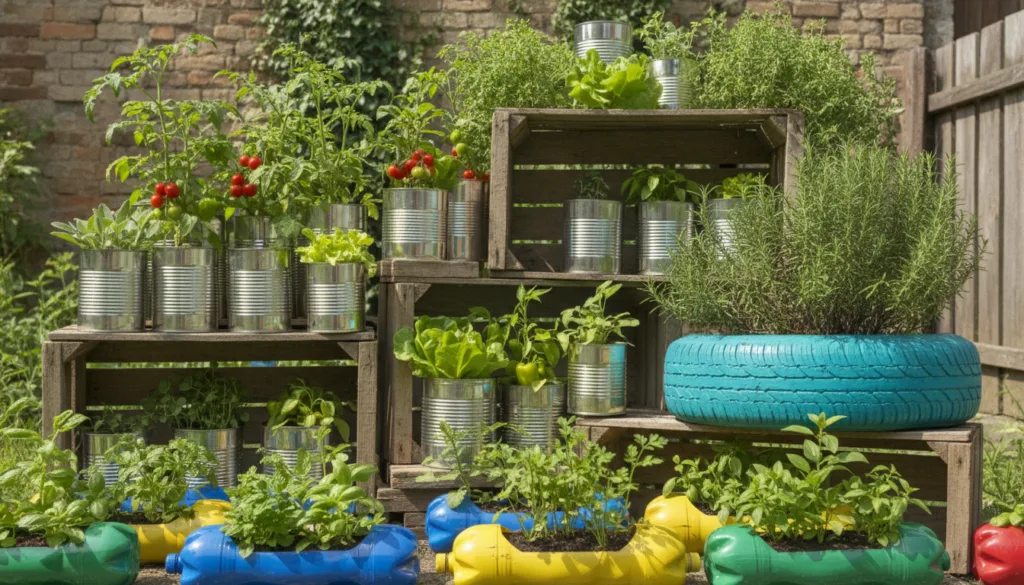
Large soda bottles, water jugs, and milk cartons are excellent for growing herbs, lettuce, or even small tomato plants. Cut them in half horizontally or vertically, ensuring good drainage. They’re lightweight and easy to move.
Tin Cans
Coffee cans, food cans, and even large olive oil tins can be charming planters. Just be sure to clean them thoroughly and smooth any sharp edges. A coat of paint can instantly elevate their look!
Old Tires
For a more substantial planting area, old tires are surprisingly versatile. They retain heat well and can be stacked for deeper planting. Paint them vibrant colors to add a pop to your garden.
Wooden Pallets & Crates
Often found for free, wooden pallets can be stood upright and used to create vertical gardens. Wooden crates are perfect for larger plants or even small vegetable patches, offering a rustic appeal.
Laundry Baskets & Storage Bins
Plastic laundry baskets or storage bins can be excellent temporary or long-term planters, especially for root vegetables like potatoes or carrots. Just make sure they are food-grade if growing edibles directly in them, or line them with a suitable material.
Even Old Shoes or Totes!
Don’t dismiss old boots, wellies, or sturdy tote bags! They can make quirky and fun planters for smaller flowers or succulents, adding a whimsical touch.
Essential Steps for Preparing Your Repurposed Containers
Before you start planting, a little preparation goes a long way to ensure your plants thrive:
1. Clean Thoroughly
Wash all containers with soap and water to remove any food residue, chemicals, or dirt. For food containers, a dilute bleach solution (1 part bleach to 9 parts water) followed by a good rinse is recommended to sanitize them.
2. Create Drainage Holes
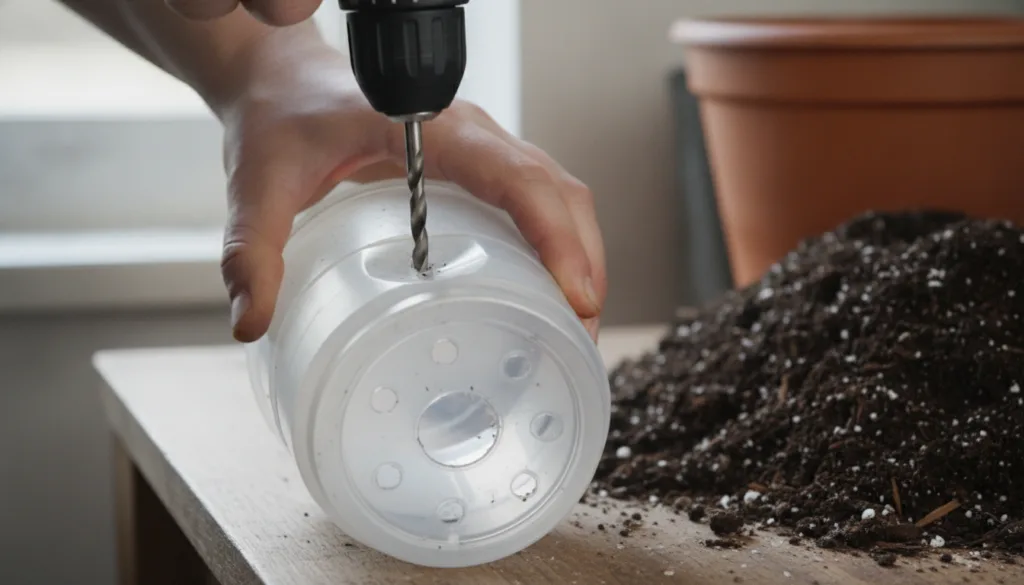
This is crucial! Without proper drainage, your plants’ roots will rot. Use a drill, hammer and nail, or a sharp knife (with caution!) to create several holes in the bottom of your containers. For larger containers, aim for at least 3-5 holes.
3. Consider Liner (Optional)
If you’re worried about chemicals leaching from certain plastics or metals, or simply want to extend the life of a wooden container, you can line the inside with a thick plastic sheeting (like a heavy-duty trash bag with drainage holes) or landscape fabric.
What to Plant in Your DIY Containers
The size and depth of your repurposed container will dictate what you can successfully grow:
- Small Containers (tin cans, small plastic bottles): Herbs (basil, mint, chives), lettuce, radishes, succulents, small flowers.
- Medium Containers (milk jugs, small crates, larger bins): Bush beans, carrots, spinach, peppers, smaller varieties of tomatoes, marigolds, petunias.
- Large Containers (tires, large wooden crates): Potatoes, larger tomato varieties, zucchini (bush varieties), eggplant, small fruit bushes.
Tips for Successful Container Gardening
Even with repurposed containers, the basics of gardening still apply:
- Quality Potting Mix: Use a good quality potting mix specifically designed for containers, not garden soil, which can compact and hinder drainage.
- Water Wisely: Container plants dry out faster than in-ground plants. Check soil moisture daily and water when the top inch or two feels dry.
- Sunlight is Key: Ensure your containers receive adequate sunlight for the plants you’ve chosen. Most vegetables and herbs need at least 6 hours of direct sun.
- Feed Your Plants: Container plants often need more frequent feeding as nutrients leach out with watering. Use a balanced liquid fertilizer every few weeks.
Start Your Sustainable Garden Today!
Repurposing everyday containers is a fantastic way to dive into gardening, save money, and contribute to a more sustainable lifestyle. Look around your home with fresh eyes, get creative, and you’ll be amazed at the beautiful and productive garden you can create. Happy planting!