Are you dreaming of fresh herbs year-round, even as summer starts to wind down? What if we told you it’s possible to enjoy a thriving herb garden without a speck of soil? Welcome to the wonderful world of water herb gardening! August is a fantastic time to start this easy and rewarding project, bringing the joy of homegrown freshness right into your kitchen. Say goodbye to struggling with pests and messy soil, and hello to a simple, elegant way to cultivate your favorite herbs.
Why Choose a Water Herb Garden?
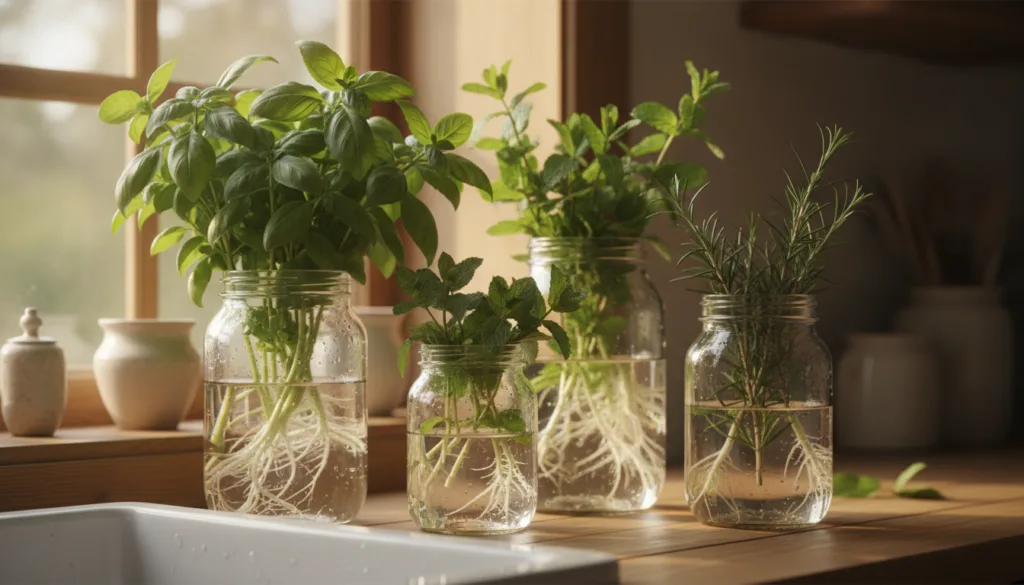
Growing herbs in water, also known as hydroponic gardening, offers several compelling advantages, especially for busy individuals or those with limited outdoor space:
- Less Mess: No soil means no dirt spills, no soil-borne pests, and a much cleaner gardening experience.
- Easy Propagation: Many herbs root easily in water, making it a simple and cost-effective way to multiply your plants.
- Constant Fresh Supply: Enjoy fresh basil, mint, rosemary, and more, ready for harvest whenever you need them for cooking or drinks.
- Aesthetic Appeal: Glass jars with green herbs and visible roots can add a beautiful, natural touch to any kitchen or living space.
- Minimal Maintenance: Once set up, water herbs require less frequent attention compared to their soil-bound counterparts.
Best Herbs to Grow in Water
While many herbs can thrive in water, some are particularly well-suited for this method. Here are a few top picks to get you started:
- Mint: Known for its vigorous growth, mint roots quickly and produces abundant leaves.
- Basil: A kitchen staple, basil loves warmth and light, and its cuttings root easily.
- Rosemary: While slower to root, rosemary thrives in water once established, offering fragrant sprigs.
- Sage: Similar to rosemary, sage takes a bit of patience but provides beautiful, aromatic leaves.
- Oregano: Another easy-to-root herb that will give you a steady supply of flavorful leaves.
- Thyme: Delicate but resilient, thyme cuttings can also be rooted in water.
Getting Started: What You’ll Need
Starting your water herb garden is incredibly simple and requires only a few basic items:
- Herb Cuttings: Choose healthy cuttings from existing plants or purchase fresh herbs from a grocery store. Look for stems that are at least 4-6 inches long with several leaves.
- Clean Glass Jars or Vases: Clear glass containers allow you to monitor water levels and root growth. Mason jars, old jam jars, or even decorative vases work perfectly.
- Clean Water: Tap water is usually fine, but filtered water can be even better, especially if your tap water is heavily chlorinated.
- Sharp Scissors or Pruners: For making clean cuts on your herb stems.
- Optional: Liquid Plant Food: A dilute, all-purpose liquid fertilizer can be introduced once roots are established to provide essential nutrients.
Step-by-Step Guide to Your Water Herb Garden
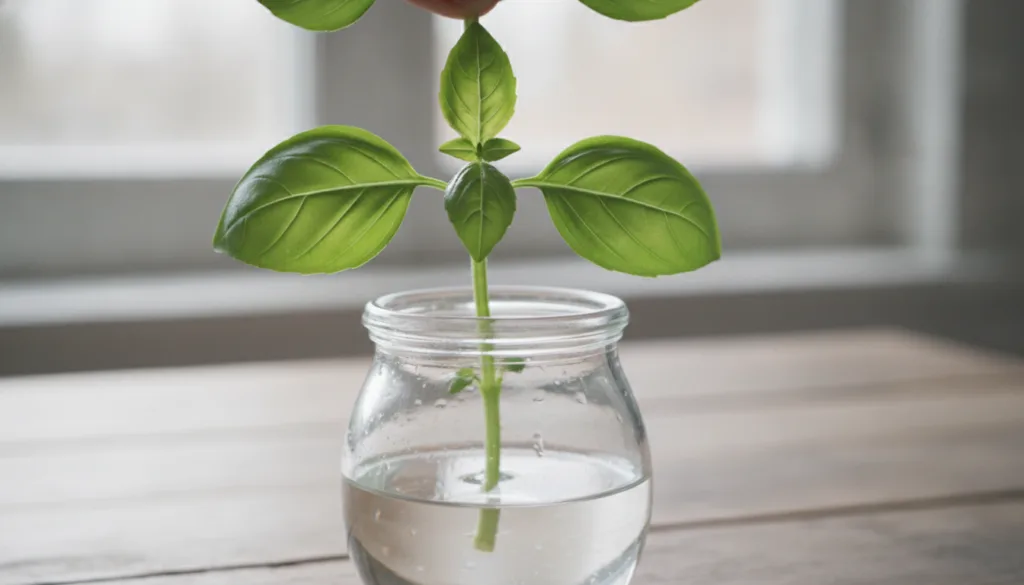
- Take Cuttings: Using clean, sharp scissors or pruners, snip a 4-6 inch stem from a healthy herb plant. Make the cut just below a leaf node (where leaves emerge from the stem).
- Prepare Cuttings: Remove any leaves from the bottom 2-3 inches of the stem. These submerged leaves will rot in the water, contaminating it.
- Place in Water: Fill your chosen glass jar or vase with clean water. Place one or more cuttings into the jar, ensuring that the bare stem is submerged in water but no leaves are touching the water.
- Find the Right Spot: Position your jars in a warm spot that receives bright, indirect sunlight. A kitchen windowsill is often ideal. Avoid direct, harsh sunlight, which can scorch leaves or encourage algae growth.
- Be Patient and Observe: Roots typically begin to form within 1-3 weeks, depending on the herb. Mint and basil are usually the fastest.
Caring for Your Water Herbs
Once your herbs have started to root, a little consistent care will keep them thriving:
- Change Water Regularly: Change the water every few days, or at least once a week, to prevent bacterial growth and replenish oxygen.
- Keep Water Levels Consistent: Ensure the bottom of the stems always remain submerged. Top up the water as needed.
- Add Nutrients (Optional): Once roots are well-developed (a few inches long), you can add a few drops of a balanced liquid plant food to the fresh water every two weeks. Dilute it to half strength to avoid over-fertilization.
- Prune as Needed: Harvest your herbs regularly to encourage bushier growth. Trim back any stems that become too leggy.
Enjoying Your Home Harvest
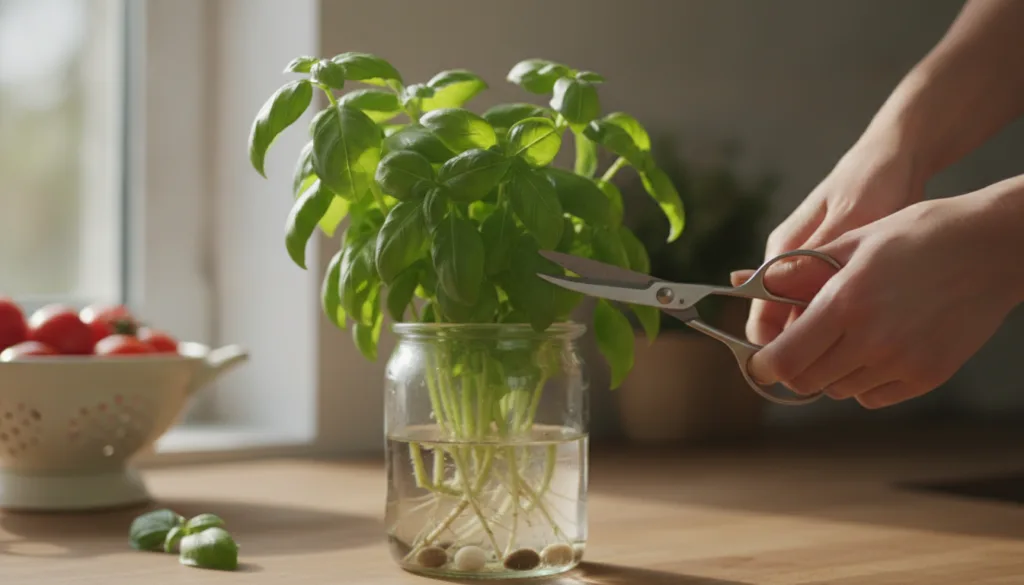
The best part about your water herb garden is the immediate access to fresh flavors! Snip off leaves or sprigs as needed for your cooking, garnishes, or to make refreshing drinks. Imagine fresh basil for pesto, mint for mojitos, or rosemary for roasted potatoes – all from your windowsill!
Starting a water herb garden in August is a perfect way to extend the growing season and keep your home filled with greenery and fresh aromas. It’s a simple, low-maintenance project that delivers big rewards. So, gather your cuttings, find some jars, and embark on your journey to homegrown goodness!
Share Your Water Herb Garden Success!
Have you tried growing herbs in water before? Share your tips, favorite herbs, and photos of your water gardens in the comments below! We love hearing about your gardening adventures.