Most people associate petroleum jelly with dry skin relief and alum with aftershave or water purification. But for generations, a simple combination of these two household staples has been a quiet, traditional beauty secret, passed down for its surprising skincare potential. Before dismissing it as an old wives’ tale, understanding how to properly prepare and use this blend is key to unlocking its unique benefits. One small preparation mistake, however, can easily ruin the whole batch and lead to irritation instead of improvement.
This isn’t about expensive serums or complex routines. It’s about harnessing two humble ingredients in a specific way that many today have forgotten. Let’s explore the ins and outs of this timeless remedy, ensuring you know exactly what to do and what to avoid.
What It Is: The Vaseline and Alum Blend
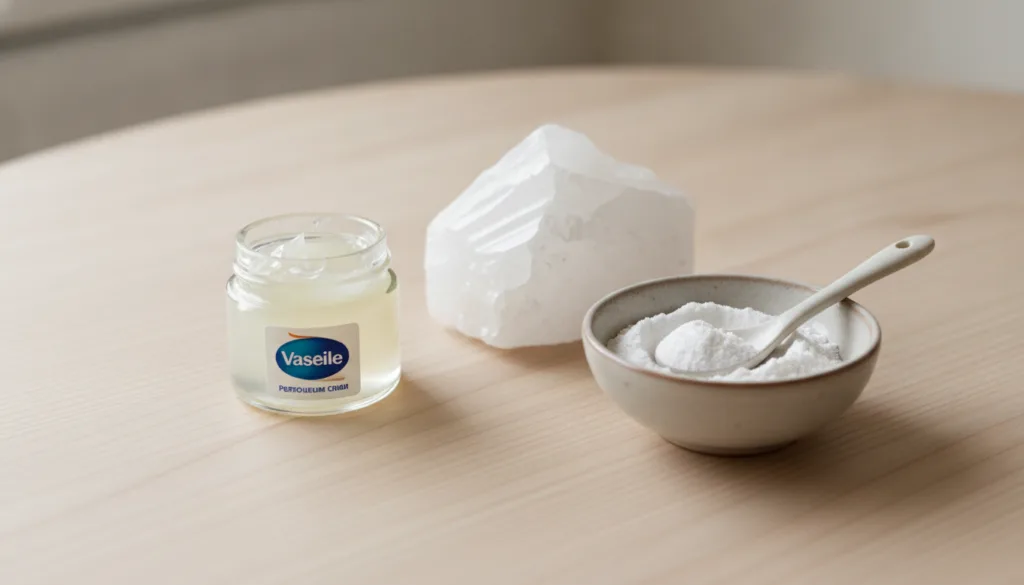
The Vaseline and alum blend is a traditional DIY preparation primarily used for its purported skin-tightening, pore-minimizing, and mild exfoliating properties. Vaseline (petroleum jelly) acts as a carrier and occlusive agent, helping to deliver the alum and lock in moisture, while also creating a barrier. Alum, a crystalline substance (potassium aluminum sulfate), is a powerful astringent. When mixed correctly, it’s believed to help reduce the appearance of enlarged pores, temporarily firm the skin, and offer a gentle clarifying effect.
This isn’t a modern dermatological treatment, but rather a home-based approach that relies on the natural properties of alum, tempered by the soothing and protective qualities of Vaseline. It’s especially popular in cultures where traditional beauty practices still hold significant value.
Ingredients You’ll Need
- Vaseline (Petroleum Jelly): Choose a pure, unscented petroleum jelly. This will form the base of your remedy.
- Alum Powder (Potassium Aluminum Sulfate): This is crucial. Ensure you use food-grade or cosmetic-grade alum powder. You can often find it in the spice aisle of grocery stores (used for pickling) or in pharmacies. Avoid industrial-grade alum.
Quick Tip: Fresh vs. Prepared Alum
Alum is commonly sold as a solid block (often for aftershave or styptic pencils) or as a fine powder. For this recipe, powder is generally preferred as it mixes more evenly. If you only have an alum block, you’ll need to finely crush and grind it into a powder yourself. This extra step ensures a smooth, consistent paste that won’t scratch the skin.
Approximate Measurements
Precision is important when working with astringents like alum. Starting with a conservative ratio is always best to gauge your skin’s reaction.
- Vaseline: 1 teaspoon
- Alum Powder: ¼ teaspoon
This 4:1 ratio (Vaseline to Alum) provides a good starting point. You can slightly adjust the alum quantity in future batches once you understand how your skin responds, but never exceed a 2:1 ratio of Vaseline to Alum.
Formula / Recipe for Your Blend
Creating this blend is straightforward, but thorough mixing is key to prevent concentrated spots of alum that could irritate the skin.
- Gather your ingredients and a small, clean, non-metallic mixing bowl and spoon or spatula.
- Measure out 1 teaspoon of Vaseline and place it into the mixing bowl.
- Measure ¼ teaspoon of fine alum powder and add it to the Vaseline.
- Using the spoon or spatula, thoroughly mix the two ingredients.
Step-by-Step Method
Follow these steps carefully to ensure a smooth, effective, and safe blend.
- Preparation: Ensure your hands and all utensils are clean and dry.
- Measure Vaseline: Scoop 1 teaspoon of pure Vaseline into your small mixing bowl.
- Add Alum: Carefully add ¼ teaspoon of finely powdered alum to the Vaseline.
- Thoroughly Mix: This is the part most people skip or do inadequately. Use your spoon or spatula to thoroughly combine the Vaseline and alum powder. It needs to be mixed until the alum is completely dispersed and no grainy bits are visible or felt when you press the mixture against the side of the bowl. The texture should be uniformly smooth. This might take 2-3 minutes of consistent stirring.
- Consistency Check: The final mixture should be a smooth, slightly stiffer paste than pure Vaseline. It should not feel gritty.
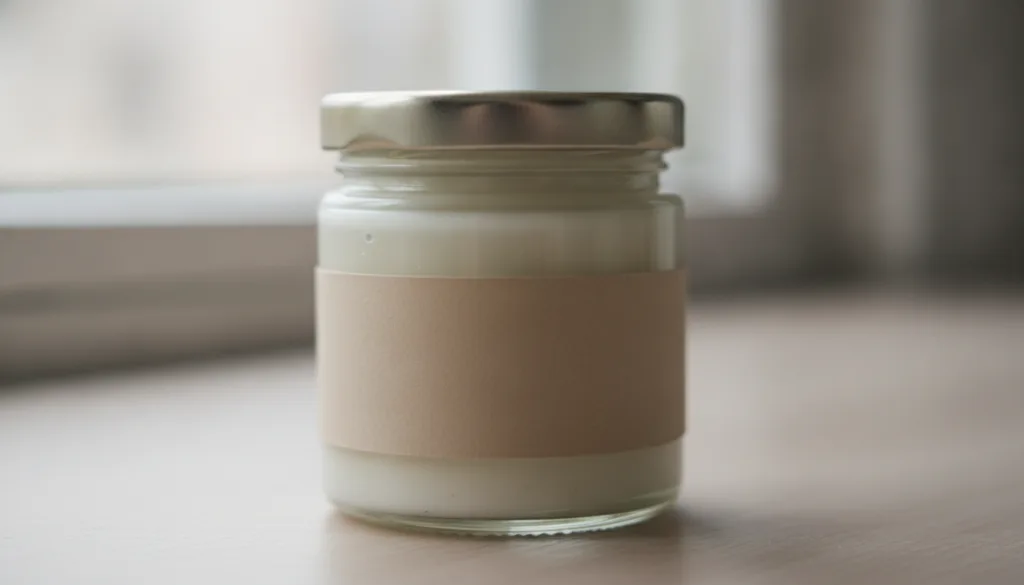
- Transfer (Optional): If you made a larger batch, you can transfer it to a small, airtight container for storage.
How to Use Your Blend
This remedy is generally applied topically to specific areas of the face rather than as an all-over treatment.
- Cleanse Skin: Start with a clean, dry face. Wash your face with a gentle cleanser and pat it dry.
- Patch Test: Before applying to your face, perform a patch test on a small, inconspicuous area (e.g., behind your ear or on your inner forearm) and wait 24 hours for any reaction. This is critical due to alum’s astringent nature.
- Targeted Application: Using your fingertip, take a tiny amount of the Vaseline and alum blend.
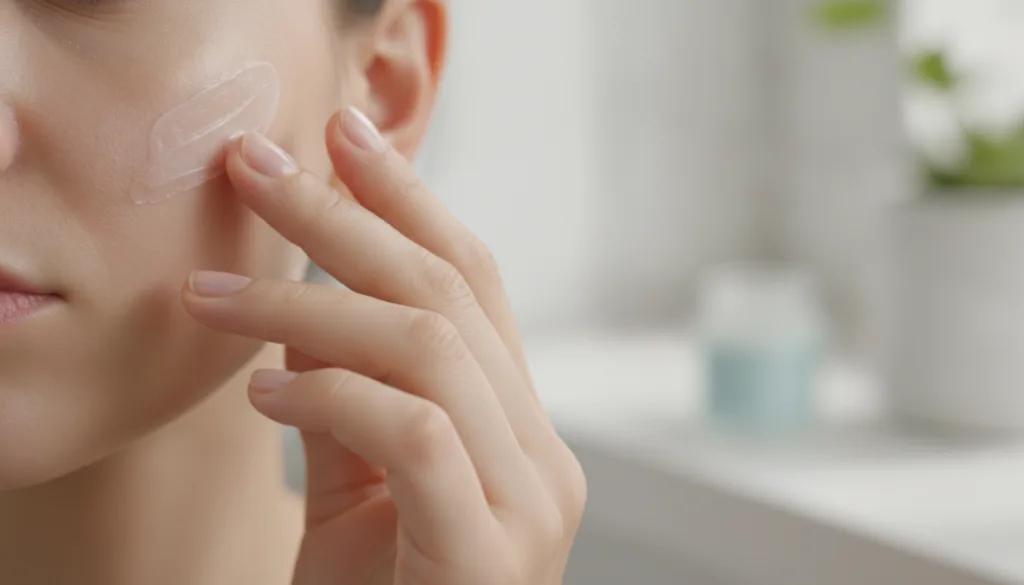
- Apply Thinly: Gently apply a very thin layer to areas where you want to tighten skin or minimize pores, such as the T-zone, around the nose, or on the jawline. Avoid sensitive areas like around the eyes and lips.
- Leave On: Leave the blend on for 15-20 minutes.
- Rinse Off: After the designated time, gently rinse your face with lukewarm water. Ensure all traces of the paste are removed. You may need a soft cloth for this.
- Moisturize: Follow up with a light, hydrating moisturizer to soothe and hydrate the skin.
How Often to Use It
Due to alum’s potent astringent properties, this blend is not intended for daily use, especially when first starting. Begin by using it once a week. If your skin tolerates it well with no signs of irritation, you can increase frequency to twice a week at most. Discontinue use immediately if you experience redness, burning, itching, or excessive dryness.
How to Buy / How to Choose Ingredients
- Vaseline: Look for 100% pure petroleum jelly. Brand doesn’t matter as much as purity. Avoid products with added fragrances or colors if you have sensitive skin.
- Alum Powder: Purchase alum powder labeled as food-grade, cosmetic-grade, or for pickling. This ensures a higher level of purity suitable for topical application. If buying an alum block, ensure it’s pure potassium alum and not a synthetic alternative.
Storage
Store your Vaseline and alum blend in a small, clean, airtight container at room temperature, away from direct sunlight or extreme heat. A small glass jar with a lid works perfectly. Properly stored, it should remain potent for several months, similar to the shelf life of Vaseline itself. Always check for any changes in texture or smell before use.
Did You Know?
Alum has been used for centuries not just as a styptic agent (to stop bleeding from small cuts) but also in traditional deodorants and as a water purifying agent due to its ability to clump suspended particles. Its astringent qualities are well-documented across various applications.
Practical Tips for Best Results
- Always Patch Test: This cannot be stressed enough. Alum can be irritating for some skin types.
- Start Low, Go Slow: Begin with a smaller amount of alum and less frequent use, gradually increasing if your skin tolerates it.
- Evening Application: Applying it in the evening allows your skin to rest and recover overnight.
- Hydrate After: Always follow up with a good moisturizer to prevent excessive dryness, which alum can cause.
- Consistency is Key (but not frequency): Regular, disciplined use (e.g., once a week) over time is more effective than sporadic, heavy use.
Common Mistakes to Avoid
- Using Too Much Alum: This is the most common mistake. Over-concentrated alum can lead to severe dryness, redness, burning, and even chemical burns. Stick to the recommended ¼ teaspoon per teaspoon of Vaseline or less.
- Incomplete Mixing: If alum is not thoroughly dispersed, you’ll have concentrated pockets that can irritate the skin. Ensure the mixture is completely smooth.
- Applying to Broken or Irritated Skin: Never apply this blend to cuts, abrasions, sunburned skin, or areas with active acne or eczema.
- Applying Near Eyes or Lips: These areas are extremely sensitive and prone to irritation.
- Leaving On Too Long: Exceeding the 15-20 minute application time can increase the risk of irritation and dryness.
- Skipping the Patch Test: Assuming your skin will react fine without testing is a gamble.
- Daily Use: This is an occasional treatment, not a daily moisturizer. Overuse can damage your skin barrier.
Cautions / Who Should Avoid It
While generally safe when used correctly, certain individuals should avoid this blend:
- Sensitive Skin: Individuals with very sensitive skin, rosacea, or eczema may find alum too harsh.
- Broken or Compromised Skin: Do not use on cuts, wounds, sunburns, or areas with any skin barrier damage.
- Allergies: If you have a known allergy to aluminum or any components of Vaseline, avoid this remedy.
- Children and Pregnant/Nursing Women: Consult a doctor before use, as the effects are not well-studied in these populations.
- Post-Procedure Skin: Avoid using after harsh treatments like chemical peels, microdermabrasion, or laser therapy.
Quick Summary
This traditional Vaseline and Alum blend offers a simple approach to temporary skin tightening and pore minimization. The key is precise preparation and careful, infrequent use.
- Best Preparation: Mix 1 teaspoon Vaseline with ¼ teaspoon fine alum powder until completely smooth.
- Best Use-Case: Targeted application on areas with enlarged pores or mild sagging for temporary tightening.
- Storage: Airtight container at room temperature, away from light.
- When to Use: 1-2 times per week, in the evening, after cleansing.
- What to Avoid: High alum concentrations, incomplete mixing, daily use, application to sensitive/broken skin.
FAQ
- Can I use an alum block instead of powder?
Yes, but you must grind the block into a very fine powder first to ensure even mixing and prevent scratching. - How long does the mixture last?
Stored in an airtight container at room temperature, it can last for several months, similar to the shelf life of Vaseline. - Can I refrigerate it?
While not necessary, refrigeration won’t harm it. Ensure the container is airtight to prevent moisture contamination. - Is it safe to use this every day?
No, it is not recommended for daily use due to alum’s strong astringent properties, which can lead to dryness and irritation with overuse. Stick to 1-2 times a week. - What kind of alum should I buy?
Always opt for food-grade, cosmetic-grade, or pickling alum (potassium aluminum sulfate) to ensure purity and safety for skin application. - What if my skin feels tingly after applying?
A slight, mild tingling might occur due to alum’s astringent action. However, if it progresses to burning, itching, or significant discomfort, rinse it off immediately. - Can this remove dark spots or scars?
This blend is not known for its effectiveness in removing dark spots or scars. Its primary traditional uses are for temporary tightening and pore appearance. - Can I mix it with other creams?
It’s best to stick to the pure Vaseline and alum blend as described. Mixing with other active ingredients could lead to unpredictable reactions or reduce efficacy.
Conclusion
The Vaseline and alum blend is a fascinating example of how simple, traditional ingredients can offer unique benefits when used correctly. While it won’t replace modern dermatological solutions, for those seeking a temporary skin-tightening and pore-minimizing effect with readily available components, this time-honored remedy offers a practical option. Remember the golden rules: thorough mixing, cautious application, and strict adherence to the usage frequency will help you experience its potential without common pitfalls. Always listen to your skin and discontinue if any irritation occurs.