Have you ever noticed how some of the most enduring beauty secrets come from ancient wellness traditions? It’s true! Long before modern cosmetics, cultures around the world understood the profound connection between nature and nurturing our bodies. One such beautiful, time-honored practice, a warm oil scalp treatment, is making a wonderful resurgence – and for good reason! It’s a gentle, luxurious ritual that promises not just relaxation, but a visible boost in hair vitality, leading to what many desire: thicker, healthier-looking strands.
Imagine a simple, profoundly effective way to show your hair and scalp some natural love. This isn’t just about superficial shine; it’s about fostering a healthy foundation for your hair to truly thrive. Ready to discover the secret?

Why a Warm Oil Scalp Treatment Matters for Your Hair
In our modern world, where stress, environmental factors, and harsh styling products often take a toll, many of us find ourselves longing for stronger, fuller hair. We often focus on the strands themselves, but the true foundation of luscious locks lies in the scalp. Think of your scalp as the rich soil for your hair garden – if the soil isn’t healthy, the plants won’t flourish.
This is precisely why warm oil scalp treatments have stood the test of time. This practice is far more than just a luxurious pampering session; it’s a holistic approach to hair wellness. It addresses common concerns like dryness, dullness, and even premature hair thinning by nourishing the scalp directly. Plus, the gentle massage involved enhances circulation, which is crucial for delivering vital nutrients to your hair follicles. It’s a natural, accessible remedy that aligns perfectly with a wellness-focused lifestyle.
The Science and Tradition Behind Scalp Oiling
So, what exactly happens when you treat your scalp to a warm oil massage? It’s a beautiful synergy of traditional wisdom and modern understanding.
Traditional Roots
For centuries, cultures from India (Ayurveda) to Africa and beyond have incorporated oiling into their hair care rituals. They intuitively understood that natural oils were potent elixirs for maintaining healthy hair and preventing issues. Sesame oil, for instance, has a long history in Ayurvedic practices for its nourishing and balancing properties, believed to strengthen hair and promote growth.
Modern Understanding of Benefits
- Deep Nourishment: Natural oils are rich in vitamins, minerals, and fatty acids that penetrate the hair shaft and feed the scalp, combating dryness and improving overall hair health.
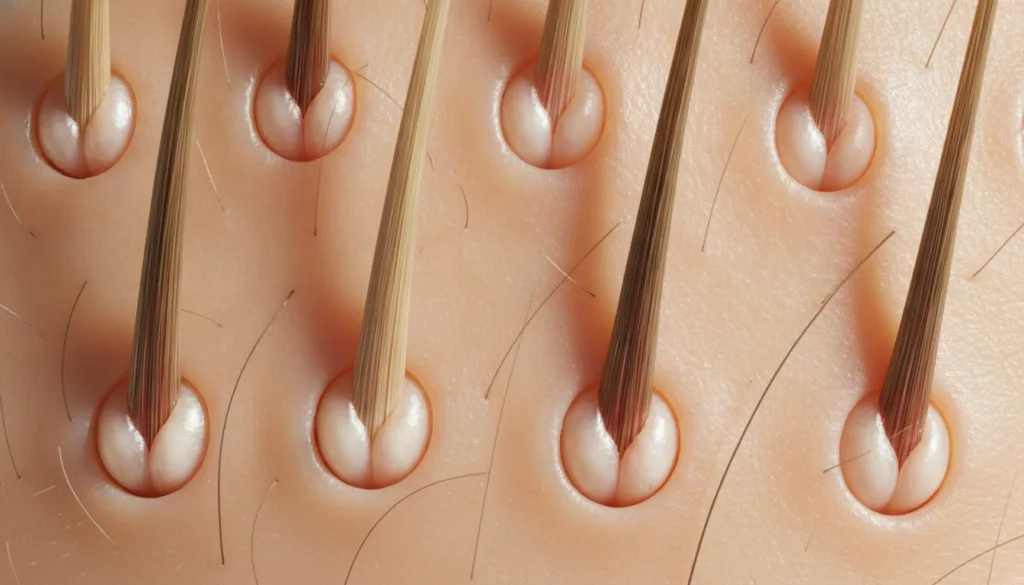
- Improved Circulation: The gentle massage stimulates blood flow to the scalp, which means more oxygen and nutrients reach the hair follicles. Healthy follicles are essential for strong, resilient hair growth.
- Moisture & Conditioning: Oils act as natural emollients, sealing in moisture, reducing frizz, and adding a beautiful, natural sheen to your hair. This can prevent breakage and make your hair appear fuller.
- Scalp Health: Many oils possess anti-inflammatory and antimicrobial properties, helping to soothe an irritated scalp, reduce dandruff, and create a healthier environment for hair to grow.
Your Practical Guide to a Warm Oil Scalp Treatment
Ready to try this revitalizing ritual yourself? It’s wonderfully simple!
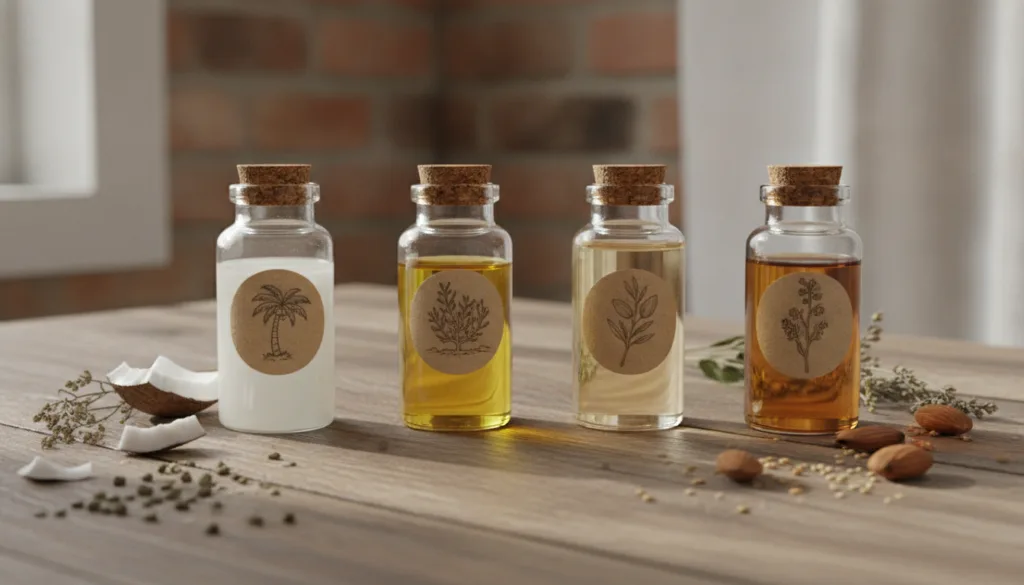
Choosing Your Oil
The best oil for you might depend on your hair type and concerns:
- Coconut Oil: Excellent for deep conditioning, reducing protein loss, and adding shine. Great for most hair types, especially dry or damaged.
- Jojoba Oil: Mimics the scalp’s natural sebum, making it ideal for balancing oily or sensitive scalps.
- Almond Oil: Rich in Vitamin E, it nourishes and softens hair, promoting strength and shine.
- Sesame Oil: As mentioned, traditionally used for strengthening hair, promoting growth, and has deeply nourishing qualities. It’s also known for its warming properties.
- Argan Oil: Lightweight and deeply moisturizing, perfect for taming frizz and adding a glossy finish.
Step-by-Step Application
- Warm the Oil: Pour about 2-3 tablespoons of your chosen oil into a small, heat-safe bowl. Gently warm it by placing the bowl in a larger bowl of hot water for a few minutes. Never microwave oil, as it can create hot spots and burn your scalp. The oil should be comfortably warm, not hot.
- Prepare Your Hair: Lightly brush your hair to remove any tangles.
- Apply to Scalp: Dip your fingertips into the warm oil. Starting from the front, gently massage the oil directly onto your scalp in small, circular motions. Work your way across your entire scalp, ensuring even coverage. Use gentle pressure, as if you’re giving yourself a spa-like massage.
- Distribute to Ends (Optional): If you have dry ends, you can lightly coat the lengths of your hair with any remaining oil.
- Relax & Wait: Cover your hair with a warm towel (you can heat it briefly in a dryer) or a shower cap. Leave the oil on for at least 30 minutes, or even overnight for a deeper treatment.
- Wash Out: Shampoo your hair thoroughly. You might need to shampoo twice to ensure all the oil is removed. Follow with a light conditioner.
Frequency & Tips
- Frequency: Once or twice a week is usually sufficient for most people.
- Boost Absorption: The warmth of the oil and the towel helps open up the hair follicles, allowing the nutrients to penetrate deeper.
- Pre-Wash Treatment: This ritual is best done before your regular shampooing.
Safety & Precautions
While warm oil scalp treatments are generally safe and beneficial, a few considerations are important:
- Patch Test: Always perform a patch test on a small area of skin (like your inner arm) 24 hours before full application to check for any allergic reactions, especially if you have sensitive skin or known allergies.
- Temperature: Ensure the oil is warm, not hot, to avoid burning your scalp.
- Allergies: If you have nut allergies, avoid oils like almond oil and coconut oil. Opt for alternatives like jojoba or argan oil.
- Existing Conditions: If you have any scalp conditions (e.g., severe psoriasis, eczema, or fungal infections), consult a healthcare professional before trying warm oil treatments, as some oils might exacerbate conditions or interfere with treatments.
- Greasy Hair: If you naturally have very oily hair, use a lighter oil like jojoba and apply it sparingly, focusing only on the scalp, and wash out thoroughly.
Key Takeaways
- Warm oil scalp treatments are a timeless, natural approach to boosting hair vitality.
- They nourish the scalp, improve circulation, and deeply condition hair strands.
- Popular oils include coconut, jojoba, almond, sesame, and argan.
- Always warm the oil gently and perform a patch test before use.
- This ritual can lead to visibly thicker, healthier, and more resilient hair.
FAQ
How often should I do a warm oil scalp treatment?
For most people, once or twice a week is ideal to reap the benefits without over-oiling the scalp.
What is the best oil for hair growth?
While no single oil guarantees growth, oils like rosemary essential oil (diluted in a carrier oil), castor oil, and sesame oil are traditionally associated with promoting hair strength and supporting a healthy growth environment.
Can I leave the oil in my hair overnight?
Yes, many people find leaving the oil on overnight provides a deeper conditioning treatment. Just be sure to protect your pillow with a towel.
Will warm oil make my hair greasy?
If not washed out properly, it can. Ensure you shampoo thoroughly, perhaps twice, and use a suitable conditioner afterward.
Is this suitable for all hair types?
Generally yes, but choose your oil wisely. Lighter oils like jojoba are better for oily hair, while thicker oils like coconut are great for dry or coarse hair.
Related Reading You Might Enjoy
- The Benefits of Rosemary Essential Oil for Hair and Scalp
- Nourishing Your Hair from Within: Foods for Healthy Strands
- Understanding Your Scalp: A Guide to Common Issues and Natural Solutions
- Simple DIY Hair Masks for Every Hair Concern
- Healthy Aging: Holistic Approaches to Looking and Feeling Your Best