In a world where screens dominate our daily lives, maintaining clear, comfortable vision has become a growing challenge. Many seek simple, natural ways to support their eye health, often overlooking a powerful ally from traditional herbal practices: Wild Lettuce. This unassuming plant, scientifically known as Lactuca virosa, has a fascinating history linked to visual well-being, though most people never realize its potential because its more commonly known uses overshadow its traditional applications for the eyes. It’s time to explore how this natural fix might offer a unique approach to supporting your vision.
Wild Lettuce is not your garden variety salad green. Historically, it has been used for its calming and mild analgesic properties, often compared to a gentle form of opium (hence its nickname ‘opium lettuce’), but without the addictive qualities. Beyond these better-known effects, various traditional practices have pointed to its utility in soothing eye discomfort and supporting overall visual clarity. This guide will delve into how you can prepare and use Wild Lettuce to tap into these age-old benefits.
What is Wild Lettuce?
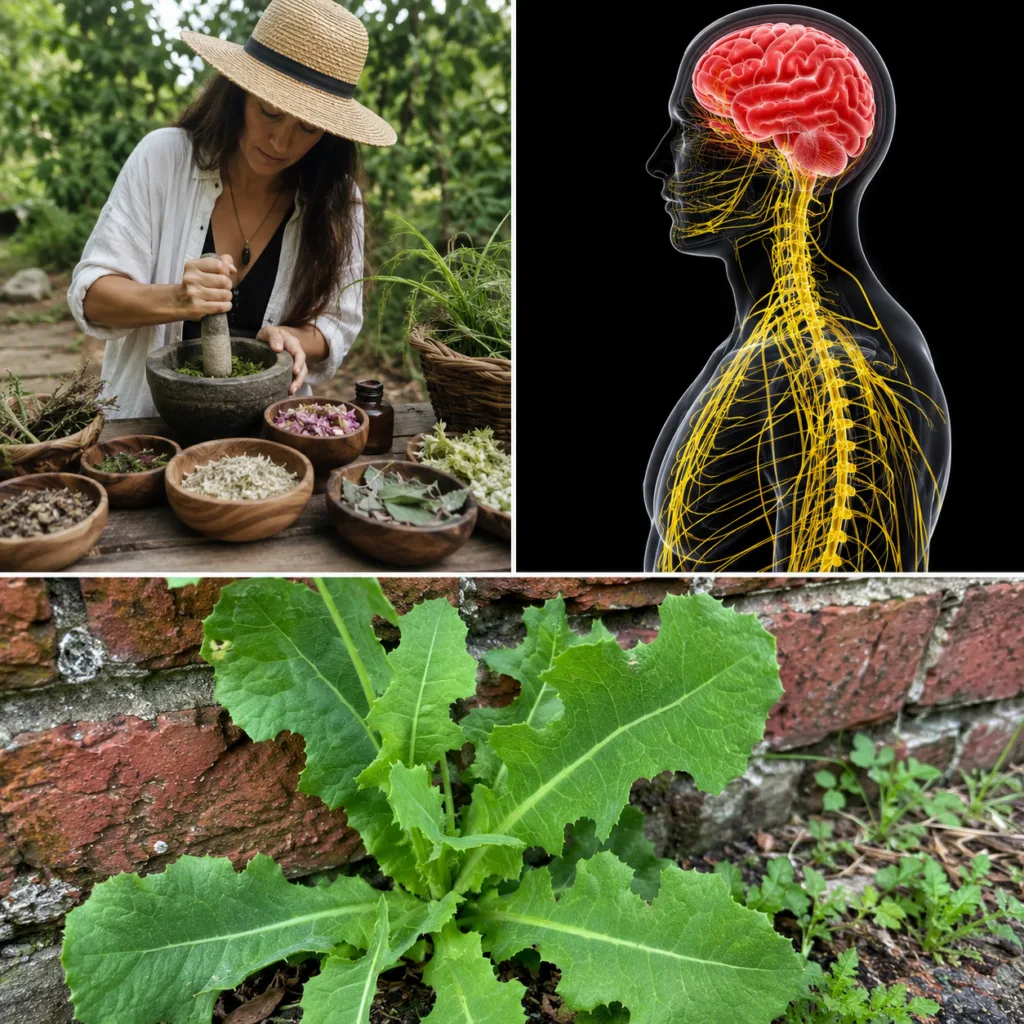
Wild Lettuce, or Lactuca virosa, is a biennial plant native to Europe and North Africa but now found in many parts of the world. It grows tall, often reaching 3-6 feet, with distinctive lobed leaves and small, yellow daisy-like flowers. When cut or damaged, the stem exudes a milky white sap, known as lactucarium, which is where many of its active compounds reside. While modern science has primarily focused on its analgesic and sedative potential, traditional herbalists often valued it for a wider range of applications, including remedies for eye health, possibly due to its influence on the nervous system and reduction of tension.
Ingredients for a Wild Lettuce Eye Support Infusion
- Dried Wild Lettuce Leaves or Flowering Tops: 1-2 teaspoons
- Hot Water: 1 cup (approximately 240 ml)
Approximate Measurements
For a standard infusion, use 1 teaspoon of dried Wild Lettuce material per cup of hot water. If using fresh leaves, you might need 2-3 times this amount, roughly 1 tablespoon of chopped fresh leaves.
Formula / Recipe: Wild Lettuce Infusion
This simple infusion is the most common and effective way to access the plant’s beneficial compounds for internal use, which in turn can support overall well-being including visual comfort.
Step-by-Step Method
- Measure: Place 1-2 teaspoons of dried Wild Lettuce leaves or flowering tops into a heat-proof mug or tea infuser.
- Heat Water: Bring 1 cup (240 ml) of fresh water to a boil.
- Pour & Steep: Pour the hot water over the Wild Lettuce material. Cover the mug to retain the volatile oils.
- Infuse: Allow the infusion to steep for 10-15 minutes. For a stronger brew, you can steep for up to 20 minutes, but be aware this may increase bitterness.
- Strain: Strain the liquid to remove the plant material.
- Serve: Let it cool to a comfortable drinking temperature.
Quick Tip: Fresh vs. Dried
While fresh Wild Lettuce can be used, dried material is often more concentrated and easier to measure consistently. If foraging fresh, ensure you correctly identify the plant, as some look-alikes exist.
How to Use
Consume the warm infusion. The best time to take it for general nervous system support and potential eye comfort is in the evening, about an hour before bed. This allows its calming properties to take effect, potentially easing tension that can contribute to eye strain. It can also be taken during periods of stress or discomfort. For eye-specific external use, a cooled, very diluted infusion (strained extremely well to avoid any particles) can sometimes be used as an eyewash, but always consult a healthcare professional before applying anything directly to the eyes.
How Often to Use
For general support, one cup per day is a common recommendation. If you are using it to address specific discomfort or tension, you might take it twice a day. Always start with a lower dose to assess your body’s response.
How to Buy / How to Choose Ingredients
When purchasing Wild Lettuce, look for reputable herbal suppliers. Ensure the product is organic or wild-harvested from clean environments, free from pesticides and pollutants. Dried leaves and flowering tops are the most common forms available. If foraging, make sure you are 100% certain of your identification and harvest from areas away from roadsides or industrial contamination.
Storage
Store dried Wild Lettuce in an airtight container, away from direct sunlight, heat, and moisture. A cool, dark pantry is ideal. Properly stored, dried Wild Lettuce can maintain its potency for up to 1-2 years. The prepared infusion should be consumed fresh. If you have leftovers, store them in the refrigerator for no more than 24 hours, but fresh is always best.
Practical Tips
- Start Low, Go Slow: Always begin with the lowest effective dose, especially if you are new to Wild Lettuce.
- Taste Adjustment: Wild Lettuce can have a bitter taste. You can add a squeeze of lemon or a touch of honey to your infusion to make it more palatable.
- Consistency is Key: For sustained benefits, regular, moderate use is more effective than infrequent, high doses.
Common Mistakes
- Misidentification: Foraging the wrong plant can be dangerous. Always verify identification with a reliable field guide or expert.
- Over-boiling: Boiling Wild Lettuce can degrade some of its delicate compounds. Always infuse with hot, not boiling, water, and cover while steeping.
- Excessive Dosage: Taking too much can lead to drowsiness or stomach upset. Stick to recommended dosages.
- Ignoring Quality: Using contaminated or low-quality plant material reduces effectiveness and can introduce unwanted substances.
- Improper Storage: Exposing dried herbs to light, air, or moisture will quickly degrade their potency.
Why It Works (Science Insight)
The traditional link between Wild Lettuce and vision support is likely multifaceted. While direct scientific studies on Wild Lettuce specifically for improving eyesight are limited, its known constituents, primarily lactucarium (a mixture of lactucin, lactucopicrin, and other compounds), interact with the body’s nervous system. These compounds are known for their calming, sedative, and mild pain-relieving effects. By reducing overall tension, stress, and discomfort, Wild Lettuce can indirectly alleviate symptoms associated with eye strain and fatigue, contributing to a sense of visual comfort and clarity. Additionally, some herbalists suggest that its anti-inflammatory properties could play a role in supporting ocular health, though more research is needed in this specific area.
Who Benefits Most
Individuals experiencing mild eye strain, general visual fatigue from screen use, or those seeking a natural way to support overall nervous system relaxation that can indirectly benefit eye comfort may find Wild Lettuce helpful. It’s particularly suited for those who prefer traditional herbal remedies for general wellness support.
Cautions / Who Should Avoid It
While generally considered safe in moderate doses, Wild Lettuce is not for everyone. It can cause drowsiness, so avoid driving or operating heavy machinery after consumption until you know how it affects you. Pregnant or nursing women, children, and individuals with glaucoma or enlarged prostate should avoid Wild Lettuce due to insufficient safety data or potential interactions. Always consult your healthcare provider before introducing any new herbal remedy, especially if you are on medication (e.g., sedatives, blood thinners) or have underlying health conditions.
Quick Summary
| Aspect | Guidance |
|---|---|
| Best Preparation | Infusion (tea) |
| Best Use-Case | Relieving eye strain, supporting nervous system relaxation |
| Storage | Dried: airtight, cool, dark (1-2 years). Infusion: consume fresh (max 24 hrs refrigerated). |
| When to Use | Evening, about an hour before bed, or during periods of stress/discomfort. |
| What to Avoid | Misidentification, over-boiling, excessive dosage, poor quality material. |
FAQ
- Can I use fresh Wild Lettuce for the infusion?
Yes, you can. Use about 1 tablespoon of chopped fresh leaves per cup of water, as fresh material is less concentrated than dried. - How long does the Wild Lettuce infusion last?
It’s best to consume the infusion fresh. If refrigerated, it should be used within 24 hours. - Can I refrigerate a larger batch for later?
While technically possible for up to 24 hours, preparing fresh batches is recommended for optimal potency and taste. - How often should I use the Wild Lettuce infusion?
For general support, one cup daily is common. For specific discomfort, up to twice daily, but always start low. - What part of the Wild Lettuce plant is best for remedies?
The leaves and flowering tops are typically used, especially when the plant is mature and producing its milky sap. - Are there any side effects to Wild Lettuce?
Common side effects can include drowsiness and mild stomach upset. In rare cases, allergic reactions can occur. - Can Wild Lettuce interact with medications?
Yes, it can potentially interact with sedatives, blood thinners, and other medications. Always consult your doctor before use if you are on medication. - Is Wild Lettuce the same as regular lettuce?
No, while related, Wild Lettuce (Lactuca virosa) has different compounds and effects than common garden lettuce (Lactuca sativa).
Conclusion
Wild Lettuce offers a fascinating glimpse into the rich history of traditional herbalism and its potential to support modern wellness challenges, particularly those related to vision and nervous system comfort. By understanding its preparation, proper usage, and important cautions, you can thoughtfully incorporate this remarkable herb into your self-care routine. Remember that natural remedies work best when combined with a healthy lifestyle and under the guidance of a healthcare professional. Embrace the gentle, traditional wisdom of Wild Lettuce, and perhaps, see your world a little clearer.