Our kidneys are vital organs, working tirelessly behind the scenes to filter waste from our blood, produce hormones, and maintain fluid balance. When these incredible organs begin to falter, it can profoundly impact our overall health. Recognizing the early kidney failure signs and symptoms is crucial, as timely intervention can make a significant difference in managing kidney health and preventing more severe complications.
Ignoring subtle shifts in your body can be a common mistake, especially when it comes to conditions like kidney failure, which often progress silently in their early stages. This article will guide you through the ten key warning signs your body might be sending, directly inspired by expert health insights. We’ll also cover essential preventive steps to keep your kidneys functioning optimally. Understanding these signs and taking proactive care can empower you to protect these crucial organs today.
Understanding Kidney Failure: Why Early Detection Matters
Kidney failure, also known as end-stage renal disease (ESRD), occurs when your kidneys can no longer adequately remove waste products and excess fluid from your body. This can lead to a dangerous buildup of toxins, affecting nearly every system in your body. The insidious nature of kidney disease often means symptoms are mild or non-existent in the early stages, making awareness of these warning signs all the more important.
Catching kidney issues early allows for lifestyle adjustments, medication, and management strategies that can slow progression, reduce symptoms, and significantly improve quality of life. Don’t wait for advanced symptoms; learn what to look for now.
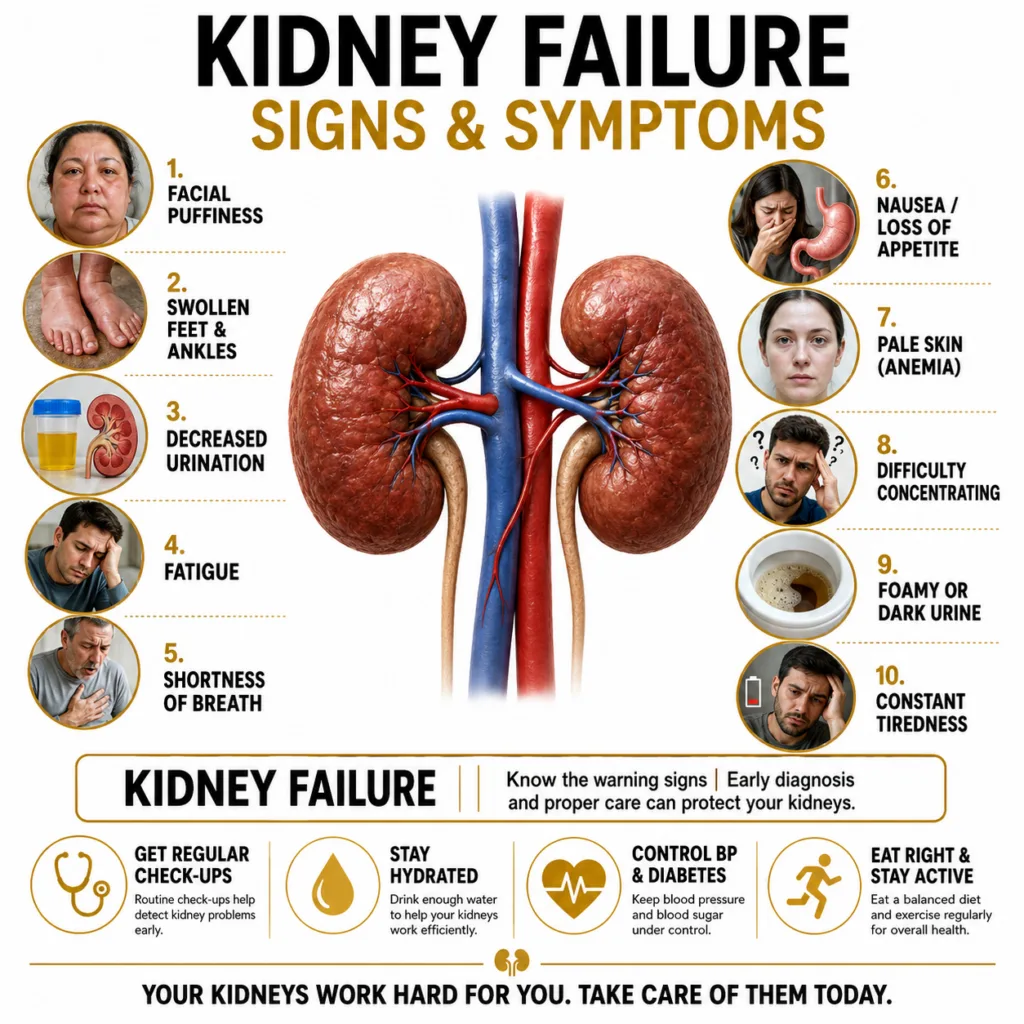
10 Warning Signs of Kidney Failure You Shouldn’t Ignore
Your kidneys communicate through various signals. While some of these symptoms can be attributed to other conditions, experiencing several of them together warrants a conversation with your healthcare provider.
1. Persistent Fatigue and Weakness
One of the most common and often overlooked signs, fatigue related to kidney failure can be profound. Healthy kidneys produce erythropoietin, a hormone that tells your body to make red blood cells. When kidneys fail, they produce less erythropoietin, leading to anemia, which results in persistent tiredness and weakness.
2. Swelling in Ankles, Feet, or Legs
When kidneys can’t remove excess sodium and fluid from your body, this fluid can build up in your lower extremities. This swelling, known as edema, is often noticeable in your ankles, feet, or legs and can indicate impaired kidney function.
3. Reduced Urine Output or Changes in Urination
Kidneys are responsible for producing urine. A noticeable decrease in how much you urinate, or changes in the frequency, especially at night, can be a sign that your kidneys are struggling to filter waste and produce adequate urine.
4. Persistent Itching
As kidneys fail, toxins can build up in the blood. This accumulation of waste products can cause severe, persistent itching, often described as an all-over itch that topical creams don’t seem to alleviate.
5. Frequent Muscle Cramps
An imbalance of electrolytes, such as calcium and phosphorus, which the kidneys help regulate, can lead to muscle cramps, particularly in the legs. This is another indicator that your kidney’s ability to maintain proper mineral balance is compromised.
6. Nausea and Vomiting
The buildup of toxins in the body due to failing kidneys can also lead to a general feeling of sickness. Nausea, loss of appetite, and vomiting are common symptoms as waste products irritate the digestive system.
7. Shortness of Breath
Kidney failure can lead to fluid accumulation in the lungs, making it difficult to breathe. Anemia, a common complication of kidney disease, also reduces the oxygen-carrying capacity of the blood, further contributing to shortness of breath.
8. Difficulty Concentrating
When toxins build up in the blood, they can affect brain function. Patients with kidney failure may experience trouble concentrating, memory problems, and general mental fogginess, impacting daily activities.
9. Changes in Skin Color (Pale, Dry)
Due to anemia and the buildup of waste products, the skin can become unusually pale, dry, or even develop a yellowish or grayish tint. Persistent dry and itchy skin can also be a symptom.
10. Puffy Eyes/Face
Similar to swelling in the legs, fluid retention caused by failing kidneys can manifest as puffiness around the eyes and face, especially noticeable in the morning. This excess fluid indicates that your kidneys are not efficiently processing liquids.
Protecting Your Kidneys: Essential Prevention Tips
Taking proactive steps to safeguard your kidney health is paramount. Simple lifestyle adjustments and regular monitoring can significantly reduce your risk of kidney disease.
1. Regular Check-ups are Key
Don’t wait for symptoms to appear. Regular medical check-ups, including blood and urine tests, can detect early signs of kidney damage, especially if you have risk factors like diabetes, high blood pressure, or a family history of kidney disease. Discuss kidney health screenings with your doctor.
2. Stay Adequately Hydrated
Drinking enough water helps your kidneys clear sodium, urea, and toxins from the body, which can lower your risk of developing chronic kidney disease. Aim for 6-8 glasses of water daily, unless otherwise advised by your doctor due to existing health conditions.
3. Control Blood Pressure and Diabetes
High blood pressure and diabetes are two of the leading causes of kidney failure. Managing these conditions through medication, diet, and lifestyle changes is crucial for protecting your kidneys. Regular monitoring and adherence to treatment plans are vital.
4. Maintain a Healthy Diet and Exercise Regularly
A balanced diet rich in fruits, vegetables, and whole grains, coupled with regular physical activity, supports overall health and helps maintain a healthy weight. This, in turn, reduces the strain on your kidneys and helps prevent conditions that can lead to kidney disease. Consider incorporating high protein breakfast options for sustained energy and muscle health.