Hello, fellow garden enthusiasts! Are you looking for a simple, organic, and incredibly effective way to give your beloved plants a natural boost? Look no further than the humble nettle! Today, we’re diving into the wonderful world of homemade nettle tea, a potent elixir that embodies the art of gentle preparation for truly thriving plants. Nature is truly home when we work in harmony with it.
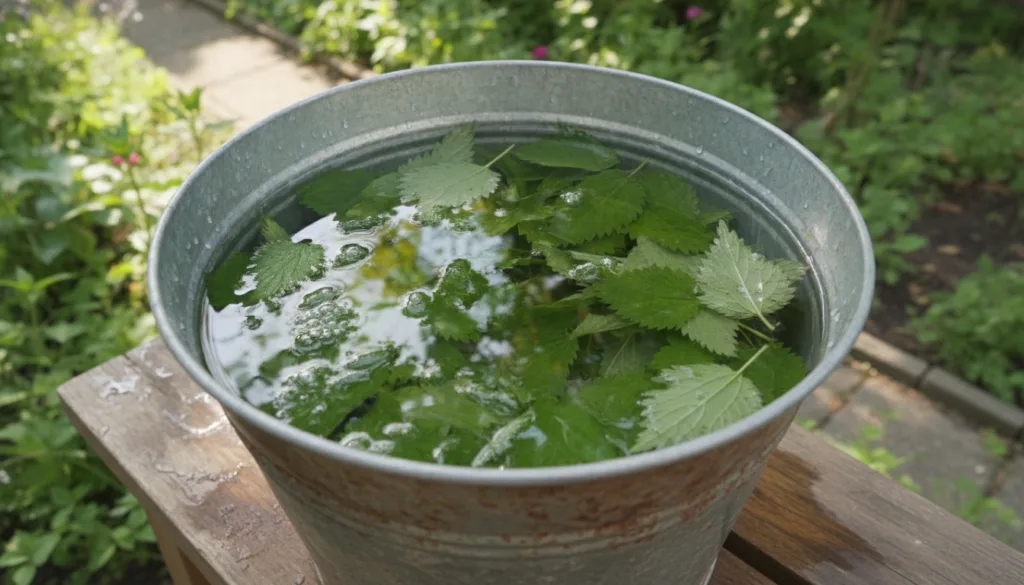
Why Nettle Tea is a Gardener’s Secret Weapon
Nettle tea, often referred to as ‘nettle slurry’ or ‘nettle fertilizer,’ is a fantastic natural plant food packed with essential nutrients. Unlike harsh chemical fertilizers, it provides a gentle, slow-release feast for your plants, improving soil health and promoting robust growth.
- Rich in Nutrients: Nettles are naturally high in nitrogen, iron, magnesium, and other trace minerals vital for plant development. Nitrogen is crucial for lush, green foliage, while iron helps with photosynthesis.
- Boosts Plant Health: Regular use can strengthen plants, making them more resilient to pests and diseases. It encourages stronger roots and more vibrant blooms and fruits.
- Eco-Friendly: It’s a completely natural and sustainable fertilizer, reducing your reliance on synthetic products and utilizing a plant often considered a ‘weed.’
- Improves Soil Structure: As it breaks down, it enriches the soil with organic matter, improving its water retention and aeration.
Harvesting Nettles Safely and Sustainably
Before you start brewing, you’ll need some nettles! Common stinging nettles (Urtica dioica) are perfect for this. Remember to wear sturdy gloves and long sleeves to protect yourself from their sting.
- Choose Your Location: Look for nettles in areas free from pesticides or pollutants, like the edges of fields, woodlands, or even a wild corner of your own garden.
- Harvest Young Plants: Younger nettle plants or the top tender leaves of older plants are best, as they contain higher concentrations of beneficial nutrients.
- Cut, Don’t Pull: Use shears or scissors to cut the nettles, leaving the roots intact so they can regrow. This ensures a sustainable harvest.
Crafting Your Own Nettle Tea Fertilizer (The Gentle Preparation)
Making nettle tea is surprisingly simple and requires minimal effort. Here’s how you can prepare this garden gem:
Ingredients & Equipment:
- About 1 kg (2.2 lbs) of fresh nettle leaves and stems
- 10 liters (about 2.5 gallons) of non-chlorinated water (rainwater is ideal, but tap water left out overnight to de-chlorinate works too)
- A large, non-metallic container with a lid (a plastic bucket or bin works well)
- Sturdy gloves
- A stick or stirrer
- A sieve or old piece of cloth for straining (optional, but recommended for finer application)
Instructions:
- Chop the Nettles: Roughly chop the nettle leaves and stems into smaller pieces. This helps them break down faster and release their nutrients.
- Combine in Container: Place the chopped nettles into your non-metallic container.
- Add Water: Pour the 10 liters of water over the nettles, ensuring they are fully submerged.
- Cover and Steep: Cover the container loosely with a lid to allow for air circulation while keeping pests out. Place it in a shady spot in your garden.
- Ferment: Let the mixture sit for 2-4 weeks. During this time, it will ferment and release a strong, pungent odor (this is normal – embrace the smell of natural goodness!). Stir the mixture every few days to aerate it and speed up decomposition.
- Strain (Optional but Recommended): Once the fermentation process is complete (the bubbling stops and the liquid darkens), strain the liquid to remove the plant matter. The remaining liquid is your concentrated nettle tea. You can add the solid remains to your compost pile!
How to Use Nettle Tea in Your Garden
Nettle tea is potent, so it needs to be diluted before use. Think of it as a concentrate!
Dilution Ratios:
- Foliar Feed & General Growth: Dilute 1 part nettle tea with 10 parts water (1:10 ratio). This is great for a gentle boost to plant leaves.
- Soil Drench/Root Feed: Dilute 1 part nettle tea with 5 parts water (1:5 ratio). Use this to water the base of your plants, providing nutrients directly to the roots.
- Seedlings & Young Plants: For very delicate plants, you can go even weaker, perhaps 1:20.
Application Tips:
- Watering Can: The easiest way to apply is with a watering can, ensuring even distribution around the plant base.
- Foliar Spray: For foliar feeding, use a spray bottle early in the morning or late in the afternoon to avoid leaf burn in strong sunlight.
- Frequency: Apply every 2-4 weeks during the growing season. Listen to your plants; they will tell you if they love it!
Tips for Maximizing Nettle Tea Benefits
- Don’t Overdo It: While natural, too much of a good thing can still be overwhelming. Stick to the recommended dilution ratios and frequency.
- Observe Your Plants: Pay attention to how your plants respond. Adjust frequency or dilution if needed.
- Companion Planting: Nettles are often considered a beneficial companion plant, attracting beneficial insects. Consider letting a small patch grow in a dedicated area if space allows.
- Storage: Store any leftover concentrated nettle tea in a sealed container in a cool, dark place. It can last for several months.
Embrace the Power of Nature
Making and using homemade nettle tea is a truly rewarding gardening practice. It’s a testament to the power of nature and a beautiful way to nurture your garden without resorting to artificial inputs. By embracing this art of gentle preparation, you’ll not only cultivate healthier, more vibrant plants but also foster a deeper connection with your garden’s ecosystem.
Happy gardening!