Unlock Your Potential: Why Protein is Your Fitness MVP
Ever wonder what truly fuels your body for peak performance, recovery, and sustained energy? The answer is often simpler than you think: protein! At Remedies Wellness, we know that whether you’re hitting the gym hard, striving for weight loss, or simply aiming for a healthier, more energetic lifestyle, protein is your undeniable ally. It’s not just for bodybuilders; it’s a foundational nutrient for everyone.
This ultimate guide will dive deep into why protein is crucial, how much you need, and the best sources to integrate into your daily diet, making healthy eating both easy and effective.
What is Protein and Why is it So Important?
Protein is one of the three macronutrients (alongside carbohydrates and fats) essential for human health. It’s made up of smaller units called amino acids, which are the building blocks of virtually every cell and tissue in your body. Think of them as tiny Lego bricks that construct muscles, skin, hair, enzymes, and hormones.
The Core Functions of Protein:
- Muscle Repair and Growth: After intense workouts, your muscle fibers experience tiny tears. Protein provides the amino acids needed to repair these tears and build new muscle tissue, leading to increased strength and size.
- Satiety and Weight Management: Protein helps you feel fuller for longer, reducing cravings and overall calorie intake. This can be a game-changer for anyone looking to manage their weight effectively.
- Enzyme and Hormone Production: Many vital enzymes and hormones are proteins, playing crucial roles in digestion, metabolism, and countless bodily functions.
- Immune Function: Antibodies, which are essential for fighting off infections, are made from protein.
- Energy Source: While not its primary role, protein can be used for energy if carbohydrate and fat stores are low.
How Much Protein Do You Really Need?
The ideal protein intake varies depending on your age, activity level, and fitness goals. General guidelines suggest:
- Sedentary Adults: Approximately 0.8 grams of protein per kilogram of body weight.
- Active Individuals / Regular Exercisers: Between 1.2 to 1.7 grams per kilogram of body weight.
- Athletes / Those Building Muscle or Losing Weight: Up to 1.6 to 2.2 grams per kilogram of body weight or even higher, depending on the intensity and type of training.
For example, if you weigh 70 kg (154 lbs) and are actively trying to build muscle, you might aim for 112-154 grams of protein per day.

Top Protein Sources for a Healthy Lifestyle
Variety is key! Incorporating a range of protein sources ensures you get all the essential amino acids your body needs.
Animal-Based Proteins:
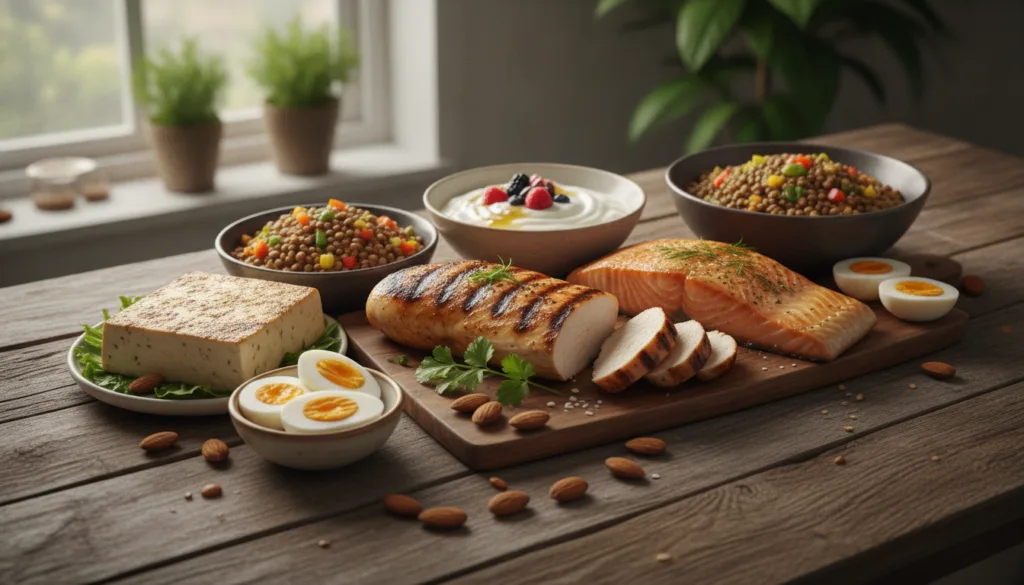
- Lean Meats: Chicken breast, turkey, lean beef, pork loin. Excellent sources of complete protein.
- Fish and Seafood: Salmon, tuna, cod, shrimp. Rich in protein and often beneficial omega-3 fatty acids.
- Eggs: The incredible edible egg! A complete protein powerhouse, versatile and affordable.
- Dairy: Greek yogurt, cottage cheese, milk. Packed with protein and calcium, perfect for snacks or post-workout recovery.
Plant-Based Proteins:
- Legumes: Lentils, black beans, chickpeas, kidney beans. Great for fiber and plant-based protein.
- Tofu and Tempeh: Soy-based products that are incredibly versatile and absorb flavors well.
- Quinoa: A complete protein grain, also rich in fiber and minerals.
- Nuts and Seeds: Almonds, walnuts, chia seeds, flax seeds, hemp seeds. Provide protein, healthy fats, and fiber.
- Edamame: Whole, immature soybeans, excellent as a snack or addition to salads.
Integrating Protein Into Your Daily Meals: Practical Tips
Don’t let a busy schedule derail your protein goals. Here are some easy ways to boost your intake:
- Breakfast Boost: Start your day with protein. Think Greek yogurt with berries, scrambled eggs with spinach, or a protein smoothie with plant-based protein powder.
- Lunch Smart: Add grilled chicken or fish to your salads, make a lentil soup, or enjoy a chickpea and veggie wrap.
- Dinner Delights: Focus on lean protein as the centerpiece of your meal. Think baked salmon, stir-fried tofu, or a lean beef and veggie dish.
- Snack Power: Keep healthy, protein-rich snacks on hand. Hard-boiled eggs, a handful of almonds, cottage cheese, or a protein bar can keep hunger at bay.
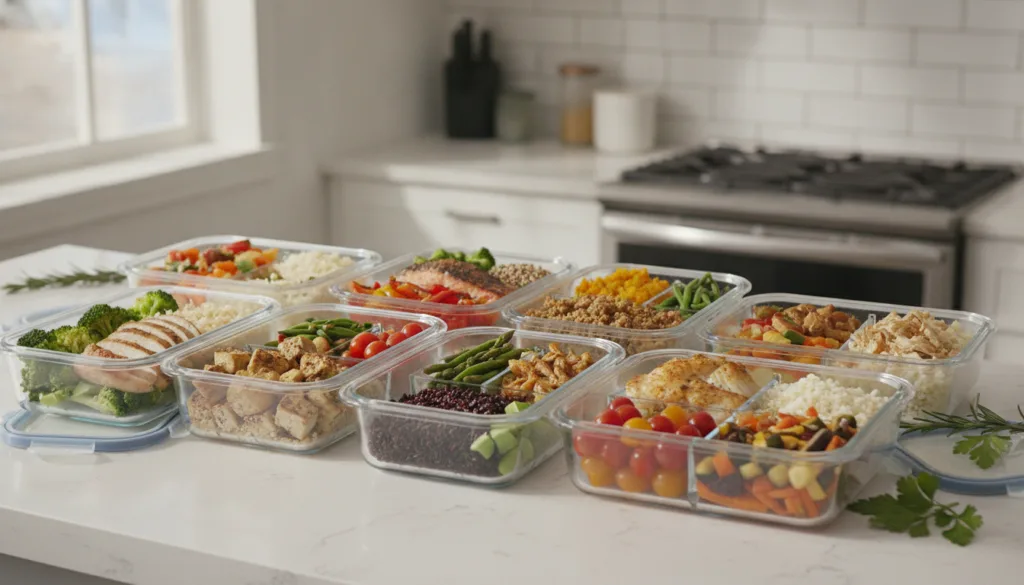
- Meal Prep: Dedicate a few hours each week to prep your protein sources. Cook a batch of chicken, lentils, or quinoa to use in various meals throughout the week.
Making Protein Work For You
Consistency is key when it comes to nutrition. By prioritizing protein in your diet, you’re not just feeding your muscles; you’re fueling your entire body for a vibrant, energetic, and healthy life. Experiment with different sources, find what you enjoy, and make protein a cornerstone of your daily meals.
Ready to feel stronger, more satisfied, and full of energy? Start incorporating more protein today and experience the incredible difference it can make!