Most people recognize St. John’s Wort (Hypericum perforatum) by its cheerful yellow flowers, often seen brightening roadsides and fields. However, few realize the nuanced power held within this common plant, especially when prepared as a tea. It’s not just a pretty face in the herbal world; it’s a remedy with specific applications that, if brewed and used correctly, can offer surprising benefits. Yet, one small preparation mistake or lack of knowledge about its interactions can reduce its effectiveness or even cause issues.
This guide will walk you through making and using St. John’s Wort tea effectively, covering everything from proper brewing to crucial safety considerations. We’ll delve into the practical steps that unlock the plant’s potential, ensuring you get the most from this natural powerhouse.
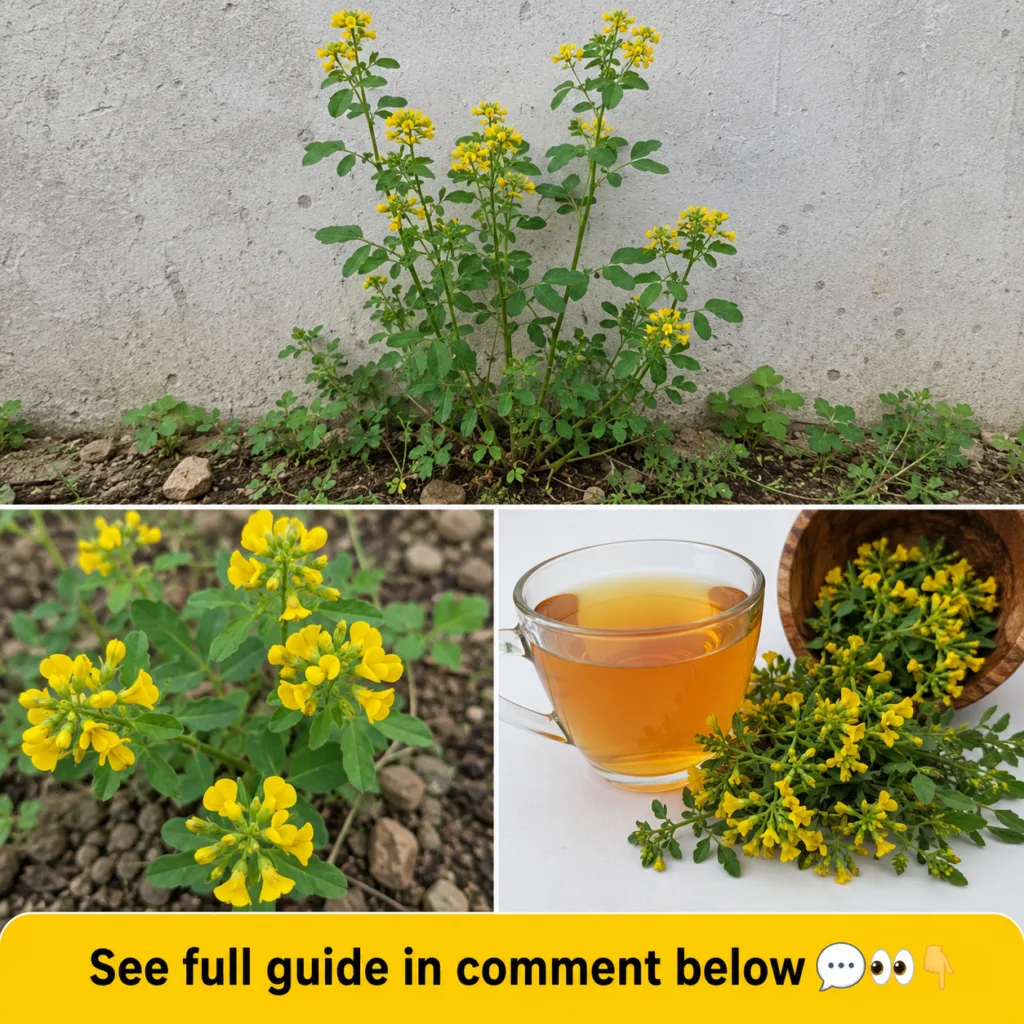 From field to cup: St. John’s Wort in its natural habitat and prepared as a soothing tea.
What it Is
St. John’s Wort, botanically known as Hypericum perforatum, is a perennial herb characterized by its bright yellow, five-petaled flowers and small, oval leaves. If you hold a leaf up to the light, you might notice tiny translucent dots, which are oil glands. When crushed, the flowers release a reddish-purple oil, historically used for topical applications. This herb has a long history in traditional European herbalism, primarily for its mood-supporting properties and its external use for skin discomforts.
Did You Know?
The ‘Wort’ in St. John’s Wort comes from an Old English word for ‘plant.’ It gets its ‘St. John’s’ name because it typically blooms around St. John the Baptist’s Day, which is June 24th.
Ingredients
For St. John’s Wort tea, the primary ingredient is, naturally, the herb itself. You can use either fresh or dried flowering tops. For optimal potency, it’s generally recommended to harvest the flowering tops when the plant is in full bloom.
- St. John’s Wort (flowering tops): Fresh or dried.
- Water: Filtered water is preferred to avoid chlorine or other impurities that might affect taste or quality.
Approximate Measurements
The strength of your tea will depend on whether you’re using fresh or dried herb and your desired potency. Always start with conservative amounts and adjust as needed.
- For Dried Herb: 1-2 teaspoons of dried flowering tops per 8 ounces (1 cup) of water.
- For Fresh Herb: 1-2 tablespoons of chopped fresh flowering tops per 8 ounces (1 cup) of water.
Formula / Recipe: St. John’s Wort Infusion
This recipe focuses on creating a simple yet effective infusion, which is the most common way to prepare St. John’s Wort tea.
Step-by-Step Method
- Measure the Herb: Place the measured dried or fresh St. John’s Wort into a heat-safe mug or teapot.
- Heat the Water: Bring 8 ounces (1 cup) of filtered water to a boil.
- Pour and Steep: Immediately pour the boiling water over the herb.
- Cover: Cover the mug or teapot with a lid or a small saucer. This is a crucial step that many people skip, but it helps to retain the volatile oils and beneficial compounds that would otherwise escape with the steam.
- Steep: Allow the tea to steep for 10-15 minutes. For a stronger infusion, you can steep for up to 30 minutes, but avoid steeping for too long as it can make the tea bitter.
- Strain: Strain the herb out using a fine-mesh strainer or a tea infuser, leaving a clear, amber-colored tea.
- Serve: Enjoy your tea warm. You may add a touch of honey or lemon if desired, though many prefer its natural, slightly earthy taste.
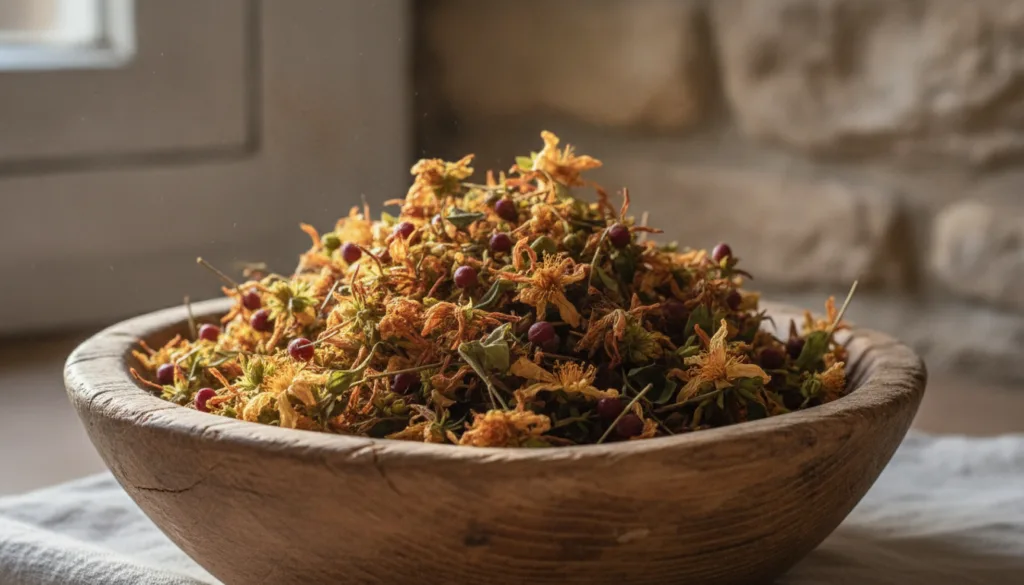 Dried St. John’s Wort flowering tops are potent for tea and easy to store.
How to Use
St. John’s Wort tea is primarily consumed orally. It’s often used for its calming properties. While external use is also traditional (e.g., as a compress for skin), the tea form is usually for internal consumption.
Best Time to Use It
Many find it beneficial to drink St. John’s Wort tea in the morning or early afternoon. Due to its potential photosensitizing effects, it’s generally not recommended to drink it right before extended sun exposure, especially if you have fair skin.
How Often to Use
For general wellness support, one cup of St. John’s Wort tea per day is a common recommendation. Some individuals may opt for two cups, but it’s important to monitor your body’s response. Consistency is often key, but always observe the cautions section.
How to Buy / How to Choose Ingredients
Sourcing high-quality St. John’s Wort is essential for an effective and safe remedy.
- Wildcrafting: If gathering yourself, ensure you correctly identify the plant (Hypericum perforatum) and that it grows in an area free from pesticides, herbicides, and heavy pollution. Harvest only the flowering tops.
- Purchasing Dried Herb: Look for organic, sustainably sourced St. John’s Wort from reputable herbal suppliers. Ensure the product is freshly dried and hasn’t been sitting on shelves for years, as potency diminishes over time.
- Avoid: Plants that show signs of mold, discoloration, or an unusual odor.
Fresh vs. Dried St. John’s Wort for Tea
FeatureFresh St. John’s WortDried St. John’s WortPotencyOften considered more vibrant, but compounds are less concentratedConcentrated compounds; consistent potency if stored wellAvailabilitySeasonal (late spring to mid-summer)Year-roundPreparationChop fresh flowering tops; slightly larger quantity neededUse directly; smaller quantity neededStorageUse immediately or dry for later; highly perishableStore in airtight containers for up to 1 yearFlavorLighter, often more herbaceousStronger, more earthy
Storage
- Dried Herb: Store dried St. John’s Wort in an airtight glass jar away from direct sunlight, heat, and moisture. A cool, dark pantry is ideal. It will retain potency for up to 12 months.
- Prepared Tea: Brewed tea is best consumed fresh. If you must store it, refrigerate in a sealed container for no more than 24 hours. Reheating can diminish its quality.
Practical Tips
- Use a good quality tea infuser: This prevents small herb particles from escaping into your tea.
- Don’t boil the herb: Always pour boiling water over the herb, rather than boiling the herb itself. Boiling can destroy some delicate compounds.
- Listen to your body: Pay attention to how St. John’s Wort affects you. Every individual is different.
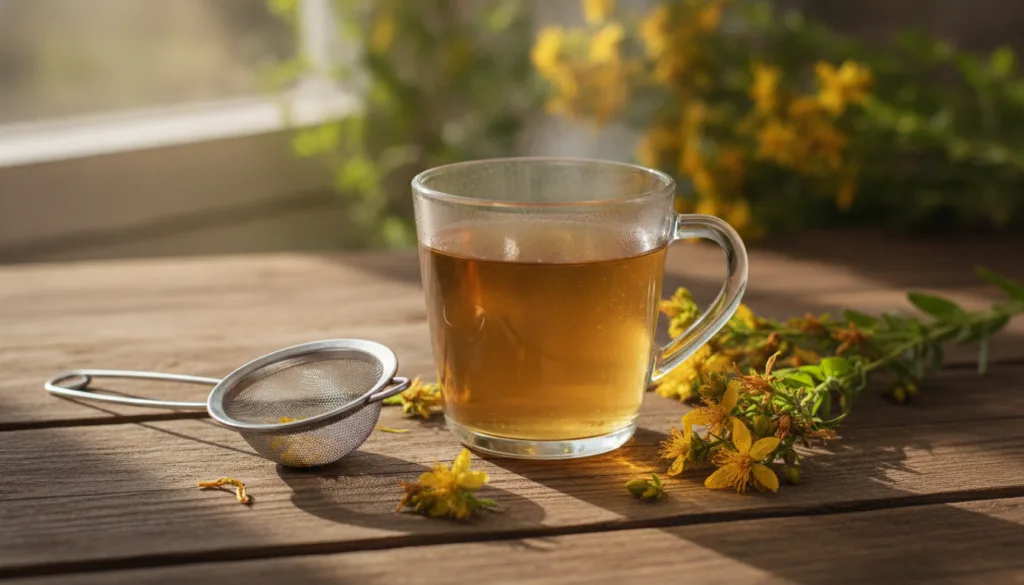 A perfectly steeped cup of St. John’s Wort tea, ready to be enjoyed.
Common Mistakes
- Using the wrong plant: Mistaking Hypericum perforatum for other similar-looking plants can be dangerous. Always ensure correct identification if wildcrafting.
- Boiling the herb: As mentioned, boiling can degrade valuable compounds. Infusion (pouring hot water over the herb) is the correct method.
- Skipping the lid during steeping: Volatile oils are easily lost to evaporation, reducing the tea’s effectiveness.
- Ignoring medication interactions: This is perhaps the most critical mistake. St. John’s Wort interacts with numerous medications.
- Over-harvesting: If wildcrafting, only take a small portion of the plant from any given area to ensure its continued growth and sustainability.
Cautions / Who Should Avoid It
St. John’s Wort is not for everyone and has significant interactions. It is crucial to consult a healthcare professional before using it, especially if you are on any medication or have underlying health conditions.
- Drug Interactions: St. John’s Wort is known to interact with a wide range of medications, including:
- Antidepressants (SSRIs, MAOIs) – can lead to serotonin syndrome.
- Birth control pills – can reduce effectiveness, leading to unintended pregnancy.
- Blood thinners (e.g., Warfarin) – can decrease their effectiveness.
- Digoxin, cyclosporine, HIV drugs (protease inhibitors, NNRTIs), certain cancer drugs (irinotecan), triptans (for migraines).
- Photosensitivity: St. John’s Wort can increase sensitivity to sunlight, making you more prone to sunburn. Use sunscreen and limit sun exposure, especially if you have fair skin.
- Pregnancy and Breastfeeding: Avoid use during pregnancy and breastfeeding due to insufficient safety data.
- Bipolar Disorder: Should not be used by individuals with bipolar disorder as it may trigger manic episodes.
- Surgery: Discontinue use at least two weeks before any scheduled surgery.
Quick Summary
- Best Preparation: Infusion (tea) from dried or fresh flowering tops.
- Best Use-Case: For internal calming effects; external use as compress.
- Storage: Dried herb in airtight container for up to 1 year; tea fresh or refrigerated for 24 hours.
- When to Use: Morning or early afternoon, avoiding excessive sun exposure.
- What to Avoid: Boiling the herb, neglecting to cover while steeping, ignoring drug interactions.
- Cautions: Severe drug interactions (antidepressants, birth control, blood thinners), photosensitivity, avoid if pregnant/breastfeeding or with bipolar disorder.
FAQ
- Can I use fresh or dried St. John’s Wort for tea?
- Yes, both fresh and dried flowering tops can be used. Adjust the quantity accordingly; fresh typically requires more herb.
- How long does St. John’s Wort tea last once brewed?
- It’s best consumed immediately. You can refrigerate it for up to 24 hours, but its quality may diminish.
- Can I reuse the St. John’s Wort leaves for another cup of tea?
- While some might try, the beneficial compounds are largely extracted in the first steep. Reusing will result in a significantly weaker tea.
- Does St. John’s Wort tea taste bitter?
- It has a slightly earthy and herbaceous taste. Over-steeping can make it more bitter. A touch of honey or lemon can be added if desired.
- What part of the plant is best for tea?
- The flowering tops (flowers and the leaves immediately below them) are the most potent part for tea.
- How long before I might notice effects from drinking St. John’s Wort tea?
- Herbal remedies often require consistent use over several weeks (e.g., 2-4 weeks) before noticeable effects. However, individual responses vary.
- Can St. John’s Wort tea be applied topically?
- While the oil (often made from fresh flowers infused in oil) is traditionally used topically, the tea itself is primarily for internal consumption. A strong tea could be used as a compress for minor skin irritations, but topical oil preparations are more common for such uses.
Conclusion
St. John’s Wort is a remarkably versatile plant, but its true power lies in understanding how to prepare and use it correctly, coupled with a deep awareness of its potent interactions. By following these guidelines for brewing a proper infusion and adhering strictly to the safety precautions, you can responsibly explore the traditional benefits of this vibrant herb. Always prioritize your health and consult a professional before incorporating any new herbal remedy into your routine, especially with an herb as significant as St. John’s Wort.