Do you often feel like you’re in a losing battle with garden pests? The sight of chewed leaves, stunted growth, and damaged fruits can be disheartening, making you wonder if a truly healthy, abundant harvest is even possible without chemical interventions. Imagine a garden where your prized vegetables flourish, protected by a clever, natural defense system that coexists beautifully with your plants. This isn’t a fantasy; it’s the power of trap cropping.
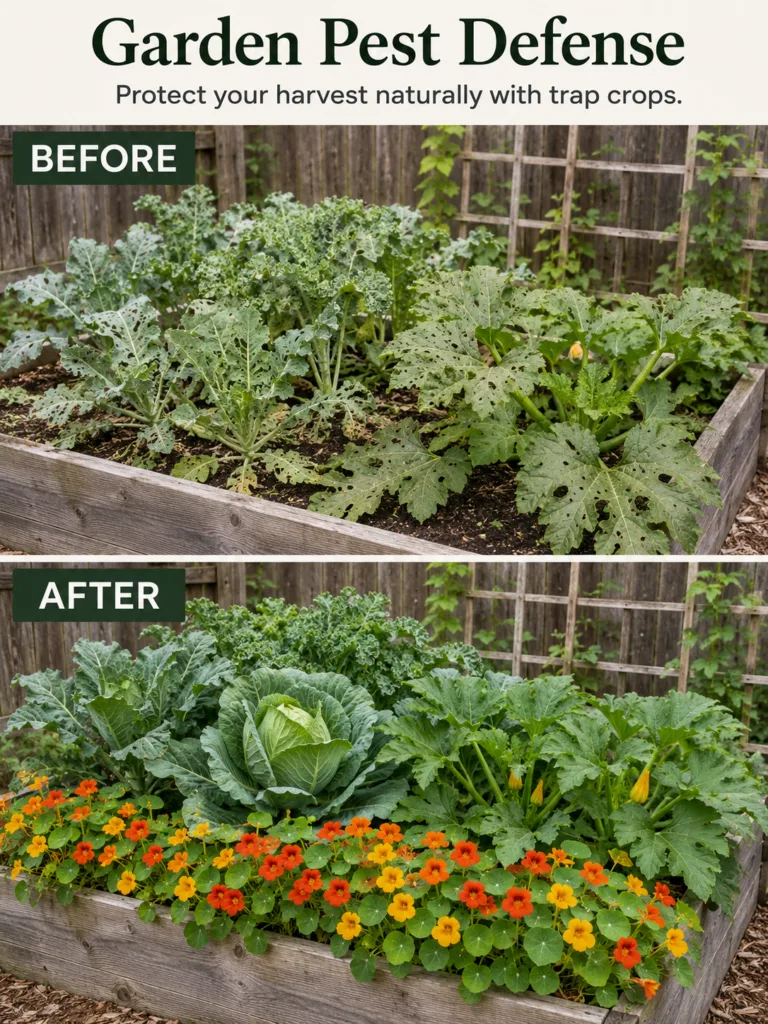
Trap crops offer an elegant, organic solution to common garden woes, diverting troublesome insects away from your valuable produce. By strategically planting specific varieties, you can create a biological shield that keeps your main crops healthy and vibrant. This guide will walk you through understanding and implementing an effective trap crop system, helping you cultivate a more resilient and productive garden, just like the transformation seen in successful garden beds.
The Genius of Trap Cropping: A Natural Pest Management Strategy
Trap cropping is a time-tested organic pest management technique that leverages the natural preferences of insects. The core idea is simple: plant a crop that is more appealing to a particular pest than your desired main crop. These ‘trap’ plants act as decoys, luring pests away from your valuable vegetables, fruits, and ornamentals. Once the pests congregate on the trap crop, you can then manage them there, preventing widespread damage to your primary harvest.
This strategy offers numerous benefits for sustainable growing. It reduces the need for synthetic pesticides, fosters a healthier garden ecosystem, and can even attract beneficial insects that prey on the very pests you’re trying to deter. It’s about working with nature, not against it, to achieve a balanced and productive garden.
Spotlight on Nasturtiums: Your Edible Pest Magnets
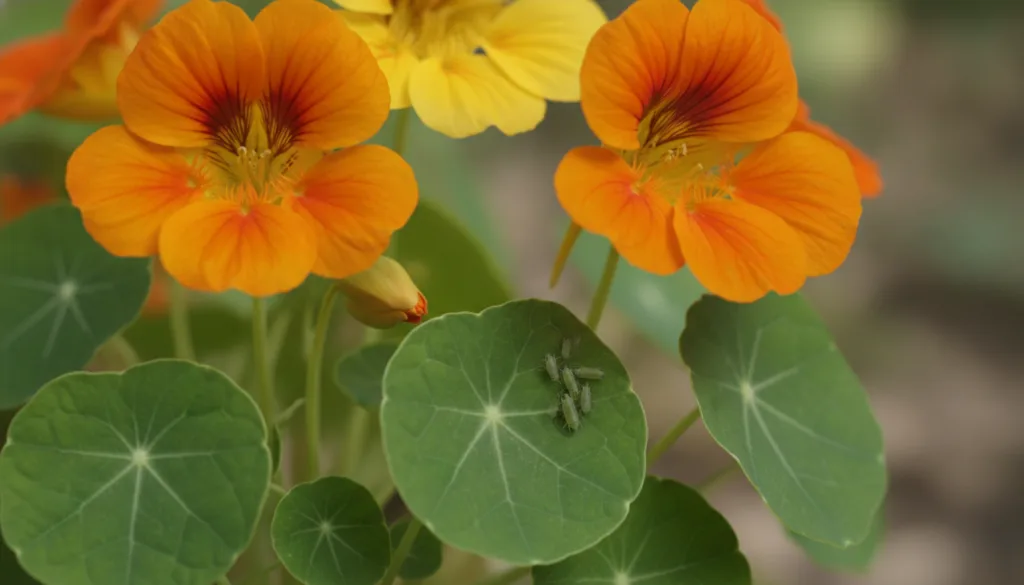
Among the most versatile and beautiful trap crops are nasturtiums. These cheerful plants, with their vibrant orange, yellow, and red flowers, are not only a treat for the eyes but also a magnet for several common garden pests. They are particularly effective at attracting aphids, whiteflies, cabbage worms (cabbage loopers and imported cabbageworms), and squash bugs, drawing them away from your brassicas and cucurbits.
Nasturtium (Tropaeolum majus) Care and Growing Guide
- Hardiness: Typically grown as an annual in all USDA zones. Can be perennial in very mild, frost-free climates (Zones 9-11).
- Plant type: Annual vine or mounding plant.
- Exposure: Full sun (at least 6 hours direct light) to partial shade (especially in hot climates).
- Height: Varies greatly by cultivar, from 1 to 10 feet. Bush varieties stay compact (1-2 ft), while vining types can sprawl or climb extensively.
- Spread: 1 to 3 feet or more for vining types.
Soil and Drainage: Nasturtiums prefer moderately fertile, well-draining soil. Interestingly, rich soil can lead to more foliage and fewer flowers, so average soil is often best. They tolerate a range of pH but thrive in slightly acidic to neutral soil.
Watering Needs: Water regularly to keep the soil consistently moist, especially during dry spells. Avoid overwatering, which can lead to root rot. They are somewhat drought-tolerant once established but perform best with consistent moisture.
Growth Habit & Value: Nasturtiums have a mounding or vining habit, producing round, lily-pad-like leaves and trumpet-shaped flowers. Both the leaves and flowers are edible, offering a peppery, slightly spicy flavor, making them a delicious addition to salads. Their primary value as a trap crop lies in their strong attraction to various pests.
Propagation and Planting: Easy to grow from seed directly sown into the garden after all danger of frost has passed, usually late spring. Plant seeds about 1/2 inch deep and 6-12 inches apart, depending on the variety. Germination typically occurs in 7-14 days.
Harvesting/Pruning: Pinch back leggy stems to encourage bushier growth and more flowers. Regularly harvest flowers and young leaves for culinary use. For pest management, allow pests to accumulate on the trap crop, but inspect regularly. If the trap crop becomes overwhelmed, remove and dispose of infested plants (e.g., bag and trash, or solarize) to prevent pests from migrating to your main crops.
Practical Tip: Plant nasturtiums around the base of brassicas (like kale and cabbage) and cucurbits (like zucchini and squash) to protect them. Their peppery taste can also deter some deer and rabbits.
Protecting Your Edible Bounty: Kale, Zucchini, and Cabbage
The image vividly demonstrates how crops like kale, zucchini, and cabbage can suffer from pest damage. These popular garden staples are prime targets for pests such as cabbage worms, squash bugs, and aphids. By planting nasturtiums nearby, you can significantly reduce the pressure on these susceptible plants, leading to a healthier and more abundant harvest.
Key Care Tips for Vulnerable Crops:
- Kale (Brassica oleracea var. sabellica): A cool-season leafy green.
- Sunlight: Full sun to partial shade.
- Soil: Rich, well-draining soil with consistent moisture.
- Spacing: 12-18 inches apart.
- Pest Vulnerabilities: Cabbage worms, aphids, flea beetles.
- Zucchini (Cucurbita pepo): A warm-season squash.
- Sunlight: Full sun.
- Soil: Fertile, well-draining soil.
- Spacing: 2-3 feet apart for bush varieties, more for vining.
- Pest Vulnerabilities: Squash bugs, squash vine borers, cucumber beetles, aphids.
- Cabbage (Brassica oleracea var. capitata): A cool-season head-forming vegetable.
- Sunlight: Full sun.
- Soil: Rich, consistent moisture, well-draining soil.
- Spacing: 18-24 inches apart.
- Pest Vulnerabilities: Cabbage worms, aphids, flea beetles.
By ensuring these crops receive their fundamental care needs, you create strong, resilient plants. The nasturtiums then provide the added layer of pest defense, allowing your kale, zucchini, and cabbage to thrive without becoming a buffet for insects.
Implementing Your Trap Crop Defense System
Setting up your trap crop system is straightforward and rewarding. Here’s a step-by-step guide:
- Plan Placement: Identify your most vulnerable crops. Plant nasturtiums (or other chosen trap crops) around or in close proximity to them. A border, as shown in the example, is effective for raised beds, or interplant them among rows in larger gardens.
- Timing is Key: Sow trap crop seeds or transplant seedlings slightly before or at the same time as your main crops. This ensures the trap crop is established and attractive when pests emerge and begin seeking host plants. For nasturtiums, direct sow after your last spring frost date.
- Prepare the Soil: Ensure both your main crops and trap crops have access to healthy, well-draining soil. Amend with compost to provide a good start.
- Planting and Spacing: Give your nasturtiums enough space to grow, typically 6-12 inches apart for bush varieties, to create a dense border. This provides ample area for pests to congregate.
- Consistent Monitoring: Regularly inspect your trap crops for pest activity. The goal is for pests to accumulate on these plants, not to eliminate them entirely from your garden.
- Pest Management on Trap Crops: Once pests have gathered on your nasturtiums, you have a few options. For aphids, a strong spray of water can dislodge them. For larger pests like cabbage worms or squash bugs, hand-picking and dropping them into a bucket of soapy water is effective. If the trap crop becomes heavily infested, consider removing and destroying the most affected plants to break the pest life cycle, then plant new trap crops.
Common Mistakes to Avoid
Even with the best intentions, a few missteps can limit the effectiveness of your trap crop strategy:
- Not Enough Trap Crop Plants: A few scattered nasturtiums won’t be enough to divert a large pest population. Plant a generous amount to create a truly attractive alternative.
- Planting Too Late: If your main crops are already infested before your trap crops are established, it’s harder to shift pest attention. Plant your trap crops early.
- Ignoring the Trap Crop: Trap crops aren’t a ‘plant it and forget it’ solution. You must monitor them for pest buildup. If pests reproduce unchecked on the trap crop, they can eventually spill over to your main crops.
- Wrong Plant Choice: Ensure your chosen trap crop actually attracts the specific pests you’re trying to deter. Research is key!
- Poor Garden Hygiene: Always remove diseased or heavily infested plant material promptly to prevent further spread of pests and diseases.
Regional and Seasonal Considerations for U.S. Gardeners
The timing for planting trap crops, like any garden plant, depends heavily on your local climate and USDA hardiness zone. Nasturtiums, for example, are tender annuals that cannot tolerate frost.
- Zones 3-6 (Cooler Climates): Wait until well after your last average frost date in late spring. Nasturtiums will thrive during the summer and early fall. Consider succession planting nasturtiums every few weeks to ensure a continuous supply of fresh trap crops throughout the growing season.
- Zones 7-8 (Temperate Climates): You can often plant nasturtiums from mid-spring through early summer. They perform well through the warmer months, though some afternoon shade might be beneficial in the hottest parts of summer to prevent bolting.
- Zones 9-11 (Warmer Climates): Nasturtiums can often be grown in fall, winter, and spring, taking a break during the intense heat of summer. Plant them in early fall for a winter harvest, or late winter for a spring crop. In these zones, they might even perennialize in very protected spots.
Always consult your local extension service for specific planting dates and recommendations tailored to your microclimate. Soil temperature is also a critical indicator; nasturtium seeds germinate best when soil temperatures are consistently above 55°F (13°C).
Cultivate a Resilient, Pest-Free Harvest
Embracing trap cropping with plants like nasturtiums is more than just a pest control method; it’s a step towards building a more resilient, sustainable, and beautiful garden. By understanding the natural world and working with its inherent cycles, you can significantly reduce pest pressure on your beloved plants and enjoy the fruits (and vegetables!) of your labor. Start experimenting with these clever plant pairings this season, observe the difference, and take pride in cultivating a vibrant, chemical-free oasis. Happy gardening!