Looking for a simple way to achieve that highly sought-after ‘glass skin’ appearance? Petroleum jelly, commonly known as Vaseline, might be your unexpected secret weapon for a smooth, luminous complexion. This guide will show you how to incorporate it into your routine for enhanced hydration and a dewy glow.
Quick Guide
Prep time: 2 minutes
Best for: Dryness, dullness, supporting a smooth skin barrier
Use type: Topical balm
Main ingredients:
- Petroleum jelly (Vaseline)
Ingredients
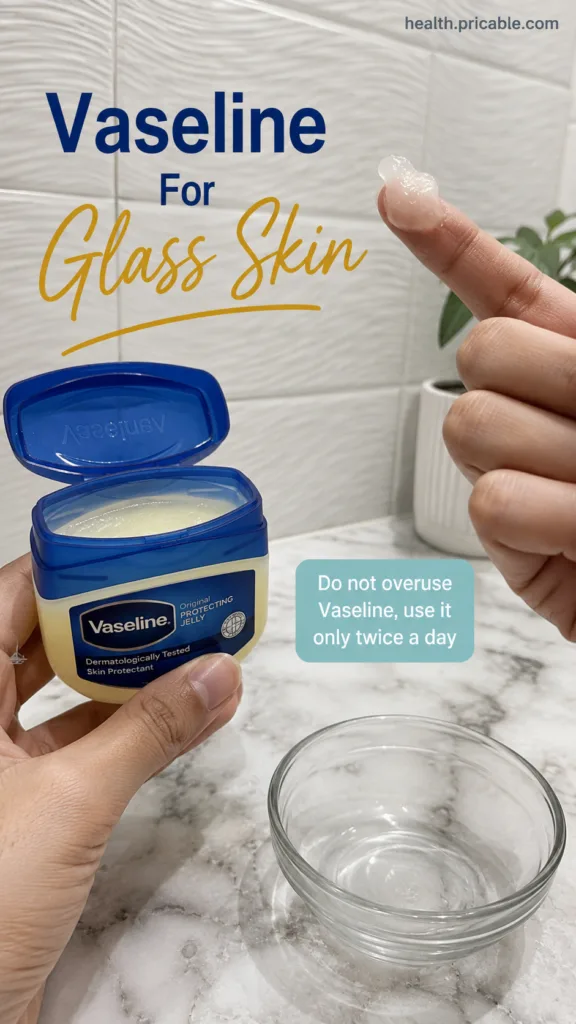
- Pure petroleum jelly (e.g., Vaseline Original Protecting Jelly)
How to Prepare Your Skin
- Cleanse Thoroughly: Start with a clean face. Use your regular gentle cleanser to remove all makeup, dirt, and impurities.
- Tone (Optional): If you use a toner, apply it after cleansing to balance your skin’s pH.
- Hydrate: Apply your usual hydrating serum or light moisturizer. This step is crucial as Vaseline seals in moisture, so you want to ensure there’s ample hydration underneath.
How to Use It
- Take a Tiny Amount: Scoop out a very small, pea-sized amount of petroleum jelly with a clean finger. Remember, a little goes a long way.
- Warm It Up: Gently rub the jelly between your fingertips to warm it slightly, making it easier to spread.
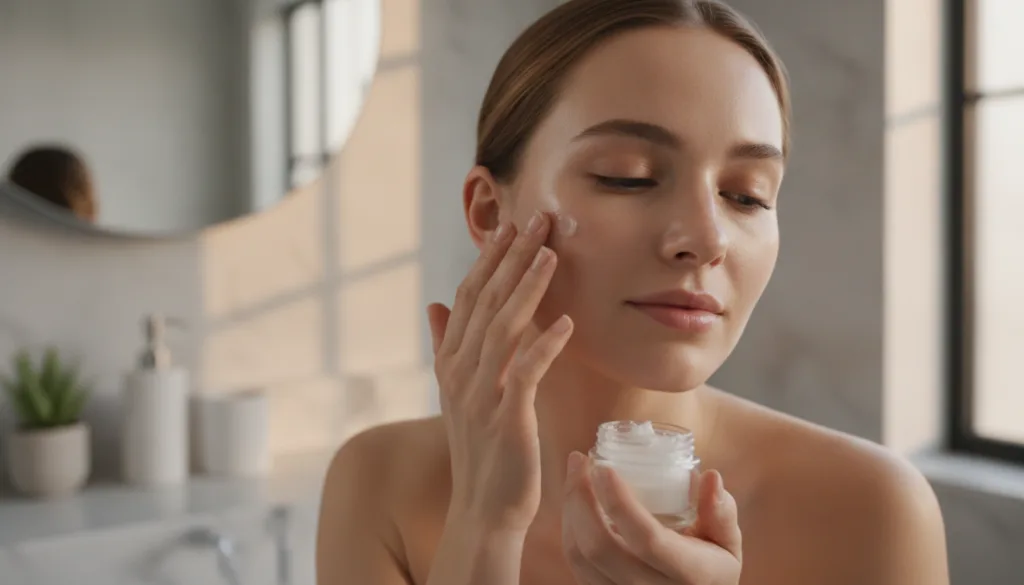
- Apply Evenly: Lightly pat and press the warmed Vaseline over your face. Focus on areas that tend to be drier or where you want to enhance a dewy finish. Avoid rubbing vigorously; a gentle patting motion helps it absorb without feeling heavy.
- Focus on Key Areas: You can apply a very thin layer all over or concentrate on your cheeks, forehead, and chin for a subtle glow.
How Often to Use It
For best results and to avoid overuse, apply this technique no more than twice a day, preferably as the last step in your evening routine to lock in moisture overnight, or a very thin layer in the morning for a subtle daytime glow. Adjust frequency based on your skin type and needs.
Why This Ingredient Is Used
Petroleum Jelly (Vaseline)
Petroleum jelly is an occlusive agent, meaning it forms a protective barrier on the skin’s surface. This barrier helps to prevent transepidermal water loss (TEWL), effectively locking in moisture and hydration. By creating this sealed environment, it supports the skin’s natural barrier function, leading to a smoother, plumper, and more radiant appearance. It doesn’t add moisture itself, but rather helps your skin retain the moisture it already has or that you’ve applied via other products.
What Results to Expect
With consistent use, you may notice your skin feeling significantly softer, more hydrated, and appearing smoother. The occlusive barrier formed by Vaseline can help diminish the look of fine lines caused by dehydration and contribute to that coveted ‘glass skin’ effect – a complexion that looks remarkably smooth, translucent, and dewy. Your skin may feel more resilient and less prone to dryness.

Safety Notes
- Patch Test First: Although petroleum jelly is generally considered non-comedogenic (not pore-clogging for most), always perform a patch test on a small area of your jawline or neck before applying it to your entire face, especially if you have acne-prone skin.
- Use Gently: Always apply with clean hands and a gentle touch.
- Avoid Irritated or Broken Skin: Do not apply to open wounds, cuts, or highly irritated skin without consulting a doctor, as it can trap bacteria.
- Stop Using if Discomfort Occurs: If you experience any redness, itching, breakouts, or irritation, discontinue use immediately.
- Clean Skin is Key: Ensure your skin is thoroughly cleansed before applying Vaseline to avoid trapping dirt or bacteria underneath.
- Very Small Amounts: Overuse can lead to a greasy feeling and potential breakouts for some skin types. Stick to a pea-sized amount or less.
FAQ
Can Vaseline clog pores and cause breakouts?
For most people, pure petroleum jelly is non-comedogenic and does not clog pores. However, if applied over uncleaned skin or in excessive amounts, it could potentially trap impurities. Always apply it to a thoroughly cleansed and hydrated face, and use a very thin layer.
How is ‘glass skin’ different from just hydrated skin?
‘Glass skin’ is an aesthetic term for skin that appears exceptionally smooth, luminous, poreless, and almost translucent, like a pane of glass. While it fundamentally relies on deep hydration, it also implies a level of clarity and evenness that goes beyond typical healthy skin.
Can I use Vaseline under makeup?
While you can, it might make your makeup shift or appear too greasy, especially if you have oily skin. If you want to try it, use an extremely thin layer and allow it to fully settle before applying makeup. It often works best as an overnight treatment or on