As summer’s warmth begins to fade and autumn’s crisp air rolls in, many gardeners might think it’s time to pack away their tools for the year. But hold on a moment! September is actually one of the most rewarding planting windows on the gardening calendar, offering a unique opportunity to extend your harvest and enjoy fresh produce long into the cooler months.
Cool autumn weather brings a host of benefits: fewer destructive insect pests, relief from heat stress, and a magical transformation in cold-hardy crops. These plants convert stored starches into natural sugars, giving your fall harvest a noticeably sweeter, crisper flavor that you just can’t get from summer growth. It’s truly a secret weapon for delicious homegrown veggies!
Why September is Prime Time for Fall Planting
Before we dive into our top picks, let’s explore why September stands out:
- Gentle Temperatures: The scorching heat of summer is gone, reducing stress on new seedlings and allowing them to establish roots without wilting.
- Fewer Pests: Many common garden pests are less active as temperatures drop, giving your young plants a better chance to grow strong.
- Sweeter Flavors: Cool-season vegetables like kale and spinach become incredibly sweet and tender after a light frost.
- Extended Harvest: Planting in September means you can enjoy fresh, homegrown produce throughout the fall and often into early winter, depending on your climate.
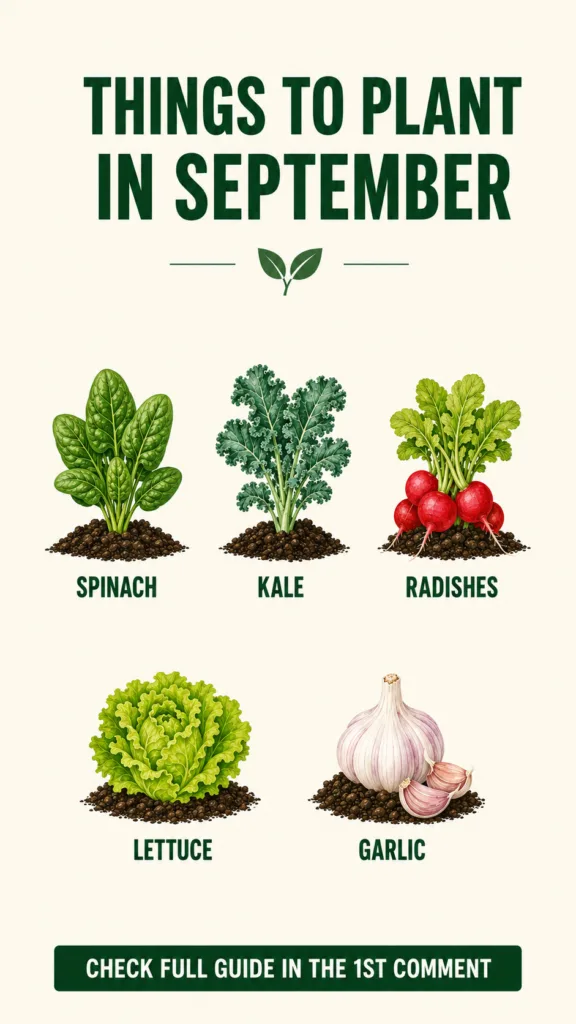
Top 5 Vegetables to Plant This September
1. Spinach (Spinacia oleracea)
Spinach is notoriously sensitive to summer heat, which causes it to bolt (go to seed prematurely) and turn bitter. September provides the perfect cool soil and temperate sunlight it needs to thrive.
- Why Plant in September: Thrives in crisp 50°F – 65°F (10°C – 18°C) weather and produces tender, nutrient-dense baby leaves within 35 to 45 days.
- Growing Tip: Sow seeds directly 1/2 inch deep in rich, compost-amended soil. Light autumn frosts will enhance its sweet, tender profile rather than damaging the foliage. Consider succession planting every two weeks for a continuous harvest.
2. Kale (Brassica oleracea var. sabellica)
Curly and Tuscan (Lacinato) kale varieties are resilient cool-season workhorses. They can withstand surprisingly cold temperatures and improve in flavor with a touch of frost.
- Why Plant in September: Tolerates cooler temperatures than spinach and becomes sweeter after frost. It provides an excellent source of vitamins and minerals through fall and winter.
- Growing Tip: Plant seedlings or sow seeds 1/2 inch deep. Kale prefers full sun but can tolerate partial shade. Protect with row covers if harsh freezes are expected to extend the harvest even further.
3. Radishes (Raphanus sativus)
If you’re looking for quick gratification, radishes are your go-to. They mature rapidly and are perfect for a speedy fall harvest.
- Why Plant in September: Fast-growing (often ready in 20-30 days!) and develops a crisp, less pungent flavor in cooler weather.
- Growing Tip: Sow seeds directly 1/2 inch deep and about an inch apart. Ensure consistent moisture for tender roots. Harvest promptly when roots reach desired size to prevent them from becoming woody or overly spicy.
4. Lettuce (Lactuca sativa)
Many varieties of lettuce, especially loose-leaf types, flourish in the cooler temperatures of early fall, producing crisp, delicious greens.
- Why Plant in September: Cooler temperatures prevent bolting and bitterness, resulting in sweeter, more tender leaves.
- Growing Tip: Sow seeds shallowly (1/4 inch deep) or plant small seedlings. Provide consistent water. For continuous harvest, pick outer leaves or plant small batches every 1-2 weeks. Consider using a cold frame or cloche as temperatures dip to extend your harvest.
5. Garlic (Allium sativum)
While you won’t harvest garlic this fall, planting it in September (or October, depending on your zone) allows it to establish roots before winter, setting the stage for a robust crop next summer.
- Why Plant in September: A crucial step for a successful summer harvest. The cold stratification period (winter chill) is essential for bulb formation.
- Growing Tip: Break garlic bulbs into individual cloves and plant them root-side down, about 2-4 inches deep and 4-6 inches apart in well-draining, rich soil. Mulch heavily with straw or leaves for winter protection.
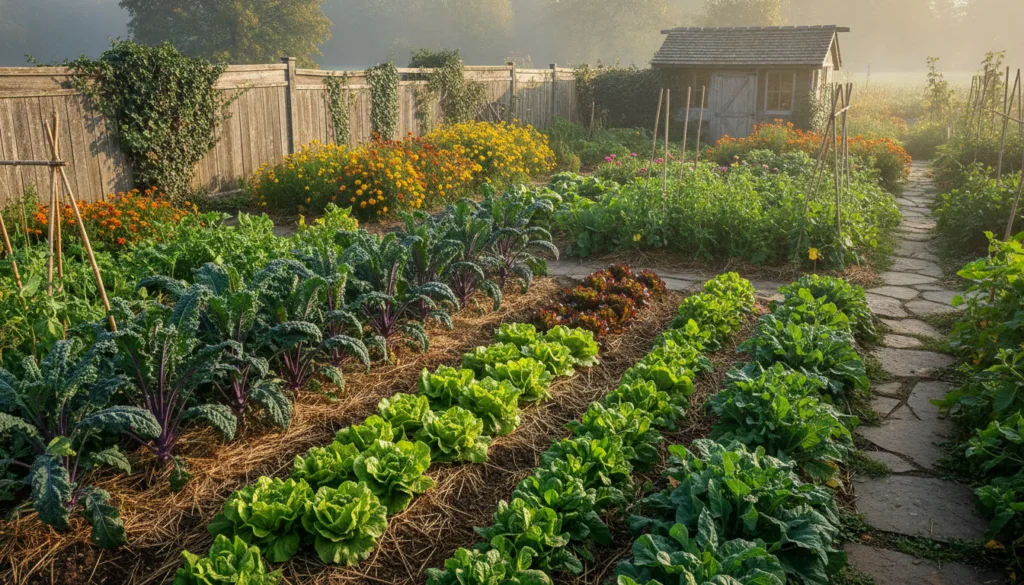
General Tips for September Planting Success
- Prepare Your Soil: Ensure your garden beds are enriched with compost. Good drainage is key for fall crops.
- Consistent Watering: While temperatures are cooler, new seedlings still need consistent moisture to establish.
- Mulch: A layer of mulch helps retain soil moisture, suppress weeds, and regulate soil temperature as days get shorter.
- Watch for Frost: Know your average first frost date. Be prepared to cover tender plants with row covers, old blankets, or cloches if early freezes are predicted.
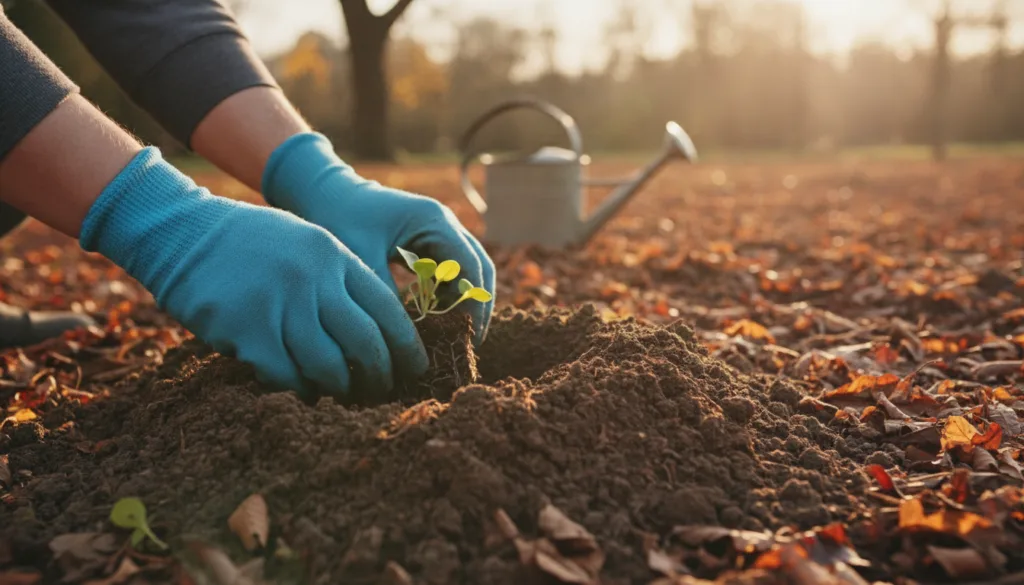
Get Ready for a Bountiful Autumn Harvest!
September gardening is a wonderful way to extend your growing season and enjoy fresh, organic produce right from your backyard. Don’t let the end of summer fool you; some of the most delicious harvests are yet to come!
What are you planning to plant in your garden this September? Share your ideas and any fall gardening tips you have in the comments below. Happy planting!