Winter Hydrangea Care: Four Essential Steps for Dazzling Blooms Next Season
As the vibrant hues of summer fade, many gardeners find themselves wondering how best to prepare their beloved hydrangeas for the colder months ahead. A common misconception often leads to heavy fall pruning, a well-intentioned act that can unfortunately jeopardize next year’s spectacular flower show. But don’t worry! Mastering winter hydrangea prep isn’t complicated. By understanding a few key principles and adopting four essential care steps, you can protect your plants, ensure their health, and set the stage for an abundance of breathtaking blooms come spring.
The Hydrangea Pruning Puzzle: Old Wood vs. New Wood
The biggest secret to successful hydrangea care, especially concerning winter pruning, lies in knowing what type of hydrangea you have. Hydrangeas are broadly categorized by whether they bloom on ‘old wood’ or ‘new wood’.
- Old Wood Bloomers: These hydrangeas form their flower buds on the previous year’s growth (old wood) in late summer or early fall. Pruning these plants heavily in the fall means you’re literally cutting off next year’s blooms. Examples include Bigleaf Hydrangeas (Hydrangea macrophylla), Oakleaf Hydrangeas (Hydrangea quercifolia), and many Climbing Hydrangeas (Hydrangea anomala petiolaris).
- New Wood Bloomers: These varieties produce flowers on growth that emerges in the current season (new wood). They are much more forgiving of fall or late winter pruning, as new growth will still produce buds. Examples include Panicle Hydrangeas (Hydrangea paniculata), Smooth Hydrangeas (Hydrangea arborescens), and some ‘reblooming’ or ‘everblooming’ Bigleaf varieties.
Understanding this distinction is crucial to avoiding the most common and costly winter care mistake.
Four Essential Steps for Optimal Winter Hydrangea Care
Instead of reaching for the pruners, focus on these four proactive steps to prepare your hydrangeas for winter’s chill and guarantee a bountiful bloom season.
1. Taper Off Fertilizing and Ensure Deep Watering
As autumn approaches, it’s vital to cease fertilization. Fertilizing late in the season encourages tender new growth that won’t have time to harden off before frost, making it vulnerable to winter damage. Allow your hydrangeas to naturally slow down and prepare for dormancy.
However, adequate water is still critical. Before the ground freezes solid, give your hydrangeas a deep, thorough watering. This helps hydrate the roots and foliage, providing a buffer against the desiccating winds and cold temperatures of winter. Aim for at least an inch of water per week until the first hard freeze, ensuring the soil is moist but not waterlogged.
2. Apply a Protective Layer of Mulch
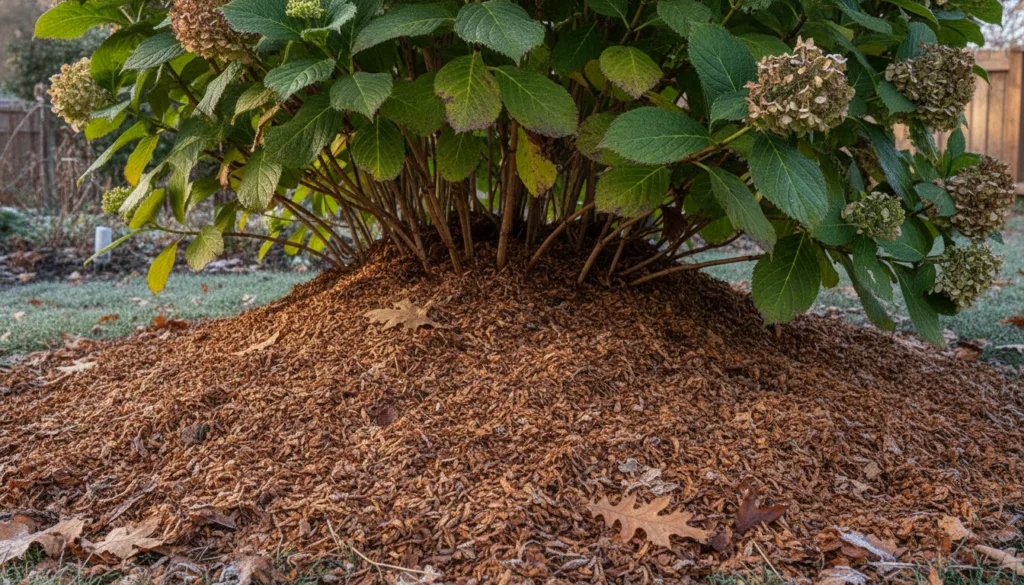
Mulching is a simple yet incredibly effective way to protect your hydrangea’s root system from extreme temperature fluctuations. Once the ground has begun to cool (but before it’s frozen), apply a 4-6 inch layer of organic mulch around the base of the plant. Materials like shredded leaves, straw, pine needles, or wood chips work well. Ensure the mulch is spread out to the dripline of the plant, but keep it a few inches away from the main stem to prevent moisture buildup and potential rot.
This insulating layer helps maintain a more consistent soil temperature, preventing the repeated freezing and thawing that can heave plants out of the ground and damage roots.
3. Provide Overhead and Wind Protection for Vulnerable Buds
For Bigleaf and Oakleaf Hydrangeas, especially in USDA Zones 5-7 where winter cold can still kill dormant flower buds, consider additional protection. Erecting a cylinder of chicken wire or stakes around the plant and filling it loosely with straw or fallen leaves can provide vital insulation. You can also wrap the entire plant loosely in burlap, especially if it’s exposed to harsh winter winds or receives bright winter sun that can cause desiccation (drying out).
This protection helps shield the delicate flower buds (formed on old wood) from biting winds and extreme cold, giving them a much better chance of surviving to bloom in spring. Remove these protections gradually in early spring as temperatures begin to consistently rise.
4. Special Care for Container-Grown Hydrangeas
Hydrangeas grown in pots are more vulnerable to winter cold because their roots are less insulated than those in the ground. In colder zones (USDA Zones 7 and below), consider moving potted hydrangeas to a sheltered, unheated location, such as a garage, shed, or cool basement, once the leaves have fallen and the plant is dormant. Ensure the pots are well-drained and provide a light watering once a month to prevent the root ball from completely drying out.
In milder zones (USDA Zones 8 and above), container hydrangeas can often remain outdoors, but moving them close to the house or grouping them together can offer some extra protection.
Avoid the Costly Error: Heavy Fall Pruning
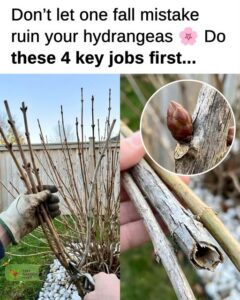
As highlighted, the most significant mistake many gardeners make is heavily pruning their hydrangeas in the fall, especially types that bloom on old wood. For Hydrangea macrophylla (Bigleaf) and Hydrangea quercifolia (Oakleaf), cutting back stems in autumn removes the very buds that would produce flowers next year. This can lead to a season with no blooms, or ‘blind’ plants.
Instead of heavy fall pruning:
- For Old Wood Bloomers (Bigleaf, Oakleaf, Climbing): The best time for corrective pruning is immediately after they finish flowering in summer. In fall, limit yourself to deadheading spent blooms and removing any clearly dead, diseased, or crossing branches.
- For New Wood Bloomers (Panicle, Smooth): These can be pruned in late winter or early spring before new growth begins. Fall pruning is acceptable for these types, but waiting until late winter allows the spent flower heads to provide some winter interest and protection.
Resist the urge to tidy up too much in fall. Those dried flower heads and stems can offer a small degree of protection to the dormant buds below and add textural interest to the winter landscape.
Regional Considerations for Winter Hardiness
The level of winter protection your hydrangeas need will largely depend on your specific USDA Hardiness Zone and local microclimate. Gardeners in:
- USDA Zones 3-5: Will need to provide the most robust protection, including heavy mulching and full plant wrapping, especially for Bigleaf Hydrangeas.
- USDA Zones 6-8: Moderate protection, such as mulching and potentially some burlap wrapping for exposed plants, is usually sufficient.
- USDA Zones 9-11: Hydrangeas generally require minimal winter protection, primarily focusing on maintaining adequate moisture.
Always consult your local extension service for region-specific advice and pay attention to your garden’s unique conditions, such as wind exposure and sun intensity.
Common Mistakes to Avoid Beyond Pruning
Beyond the pruning blunder, keep an eye out for these other common pitfalls:
- Over-fertilizing in Fall: As mentioned, this encourages tender growth that won’t survive winter.
- Insufficient Winter Watering: A dry root ball is a vulnerable root ball. Ensure deep watering before the ground freezes.
- Mulching Too Early or Against the Stem: Applying mulch when the ground is still warm can trap pests. Piling mulch directly against the stem can encourage rot and provide a haven for rodents.
- Panic Pruning After a Cold Snap: Wait until spring to assess winter damage. Sometimes stems that look dead will still produce new growth from the base.
Cultivate a Season of Success
Preparing your hydrangeas for winter doesn’t have to be a guessing game. By understanding the basics of old vs. new wood bloomers, embracing the four essential steps of tapering care, mulching, providing protection, and proper container management, you can avoid costly errors and ensure your hydrangeas not only survive but thrive. Give your hydrangeas the thoughtful winter care they deserve, and they will reward you with an unforgettable display of blooms next season. Happy gardening!