Have you ever wondered if there are simple, natural tricks to help your houseplants truly flourish? We’ve all seen those intriguing garden tips, often featuring common household items that promise a greener thumb. Today, we’re diving into a ‘Garden Whisper’ secret involving two everyday ingredients: milk and lemon!
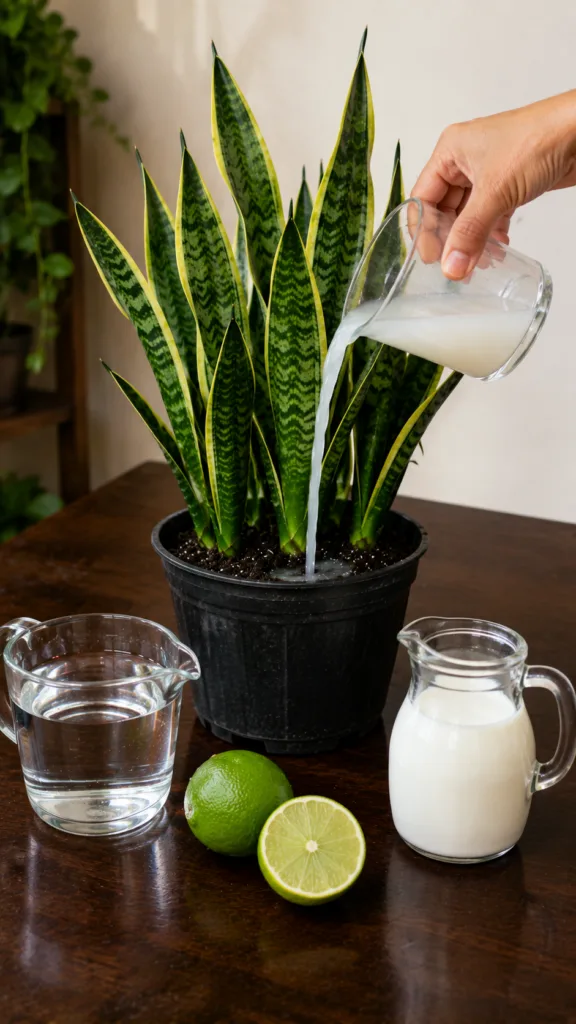
You might have caught a glimpse of our recent reel, showing a beloved snake plant getting a special drink – a milky liquid, often rumored to hold a key to vibrant growth. While the reel piqued curiosity, this article will explore the potential benefits of these ingredients and how you can approach using them in your own indoor garden.
Unveiling the ‘Garden Whisper’ Secret: Milk and Lemon for Your Plants
The idea of using milk and lemon for plant care isn’t new; these ingredients have been part of traditional gardening folklore for a while. Let’s look at why they’re often discussed and what benefits they might offer.
The Goodness of Milk for Plants
Milk contains several nutrients that can be beneficial to plants, primarily calcium and some sugars. Calcium is vital for strong cell walls and overall plant structure. The sugars, in moderation, can feed beneficial microorganisms in the soil, which in turn helps your plants absorb nutrients more efficiently. Many gardeners use diluted milk as a foliar spray to prevent powdery mildew, or as a soil drench for a calcium boost.
The Zest of Lemon: A Double-Edged Sword
Lemon juice is highly acidic. While a tiny bit of acidity might help lower soil pH for acid-loving plants, it’s crucial to be incredibly careful. Excessive acidity can harm most plants. On the brighter side, some gardeners use diluted lemon juice as a natural pest deterrent, particularly for ants or other soft-bodied insects, due to its strong scent and slight acidity. Always use it with extreme caution and in very diluted forms.

Crafting Your Gentle Plant Elixir: A Concept, Not a Strict Recipe
Our featured ‘Garden Whisper’ elixir involves a simple combination of Water + Milk + Lemon. Since specific quantities and application methods can vary greatly and depend on your plant’s needs and soil type, we’ll discuss a cautious approach rather than a rigid recipe.
What You’ll Need:
- Water: The primary base for dilution.
- Milk: Any type of cow’s milk (whole, skim, or even expired, as long as it’s not curdled).
- Lemon: Fresh lemon juice.
How to Approach It: A Gentle Experiment
Given the sensitivity of plants to changes in their environment, especially pH, it’s best to approach this as an experiment with extreme caution. The goal is to provide beneficial elements without overwhelming your plant or altering the soil chemistry too drastically.
- Dilution is Key: Always dilute milk significantly with water. A common suggestion for milk-water solutions is a 1:4 or 1:5 ratio (1 part milk to 4 or 5 parts water).
- Lemon Sparingly: If you choose to add lemon, use only a few drops for a large volume of the milk-water solution. Remember, its acidity can be detrimental.
- Mixing: Gently combine your diluted milk solution. If adding lemon, stir it in thoroughly.
Application Tips: Less is More
When trying any new natural remedy, always start small and observe your plant’s reaction.
- Test Spot: Apply a very small amount to a small, inconspicuous part of the plant or soil first. Wait a few days to see if there’s any adverse reaction.
- Soil Drench: If using as a soil drench, apply a small amount around the base of the plant, ensuring not to overwater. You want to moisten the soil, not drench it.
- Foliar Spray (Milk Only): For pest deterrence or powdery mildew prevention, a diluted milk solution (without lemon) can be lightly sprayed on the leaves. Always do this in the morning so the leaves can dry before evening, preventing fungal issues.
- Frequency: Natural remedies like this should be used very infrequently, perhaps once a month or even less, if at all. Over-application can lead to souring soil, attracting pests, or nutrient imbalances.
Remember, the purpose of such a mix is to offer a gentle boost, not to replace a balanced fertilizer or proper watering routine.

General Tips for Thriving Houseplants
While natural remedies can be fun to explore, consistent basic care is the real secret to happy plants. Here are some fundamental tips for keeping your indoor garden vibrant:
Light Requirements
Understand your plant’s light needs. Most houseplants prefer bright, indirect light. Too much direct sun can scorch leaves, while too little light can lead to leggy growth and dull foliage.
Watering Wisdom
Overwatering is a common killer! Always check the soil moisture before watering. Stick your finger about an inch or two into the soil; if it feels dry, it’s time to water. Ensure your pots have drainage holes to prevent root rot.
Soil Matters
Use a well-draining potting mix that is appropriate for your specific plant type. Good soil provides aeration for roots and retains just enough moisture without becoming waterlogged.
Pest Patrol
Regularly inspect your plants for signs of pests. Early detection makes treatment much easier. Use natural solutions like neem oil or insecticidal soap for common houseplant pests.
Important Cautions and Best Practices
- Always Dilute: Never use concentrated milk or lemon juice directly on plants or soil.
- Observe Closely: Pay close attention to your plant’s response. If you see any signs of stress (yellowing leaves, drooping, strange growth), stop immediately.
- Know Your Plant: Research the specific needs of each plant. Some plants are more sensitive than others.
- No Guaranteed Results: Natural remedies aren’t a substitute for professional plant care products or proper horticultural practices. Results can vary widely.
- Keep it Clean: If using milk as a foliar spray, ensure leaves dry quickly to avoid sticky residue or fungal issues.
Experimenting with natural remedies can be a fun part of gardening, but always remember that balance and observation are your best tools. Share your favorite gentle plant nourishment tips below!