Give Your ZZ Plant a Gentle, Natural Boost!
Do you love your ZZ plant but sometimes wish those vibrant green leaves had a little extra sparkle? While ZZ plants (Zamioculcas zamiifolia) are famously low-maintenance and resilient, even the toughest houseplants can benefit from a little TLC. If you’ve noticed slower growth, less vibrant leaves, or just want to encourage your plant to truly thrive, we have a simple, natural secret weapon for you!
This easy-to-make concoction, using everyday kitchen ingredients, is designed to provide essential nutrients and promote robust growth, keeping your ZZ looking its absolute best. It’s a beginner-friendly way to support your plant’s health without complicated techniques or harsh chemicals.
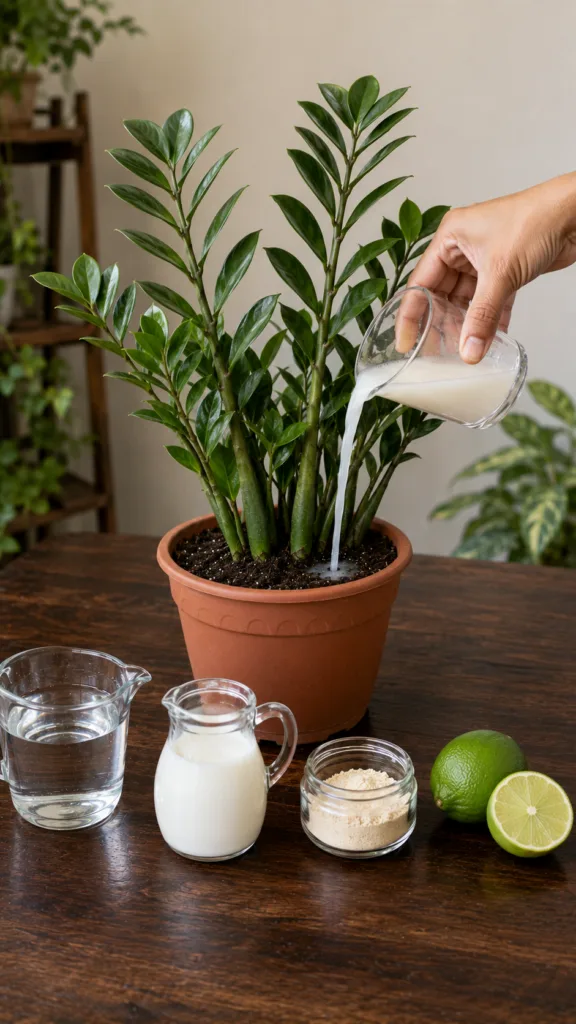
Why These Simple Ingredients Work Wonders
You might be surprised by the power of these common household items when it comes to plant nutrition. Here’s a quick look at why this blend is so beneficial:
- Milk: A powerhouse of calcium, vitamins B, and proteins. When diluted, milk provides a gentle, slow-release form of nitrogen, encouraging healthy foliage and strong cell structure. Calcium is vital for plant cell wall development, helping your ZZ plant stand tall and robust.
- Sugar: Not directly for the plant, but for the beneficial microorganisms in the soil! Sugar acts as a food source for these microbes, stimulating their activity. A thriving microbial community helps break down nutrients in the soil, making them more accessible for your plant’s roots.
- Fresh Lime (or Lime Juice): A touch of lime can provide trace minerals like calcium and magnesium, and it can also help slightly adjust soil pH to a more favorable level for nutrient uptake. Plus, some gardeners find a hint of citrus can deter certain common pests.
- Water: The essential carrier! Water ensures all these wonderful nutrients are properly diluted and delivered directly to your plant’s roots in a safe, absorbable form.
Gather Your Gentle Boost Ingredients
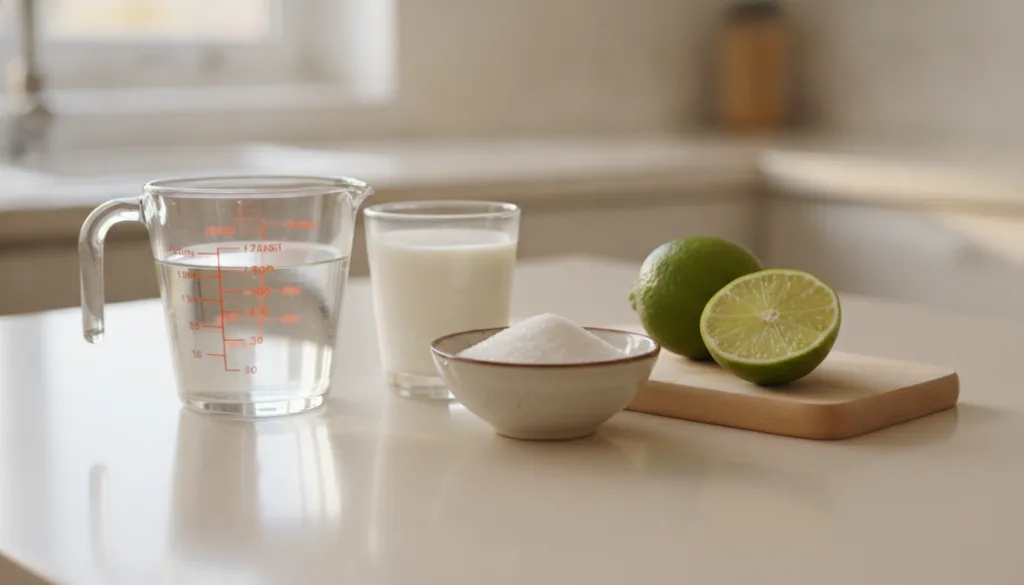
Ready to give your ZZ plant a treat? Here’s what you’ll need:
- 1 cup Water (tap or filtered, at room temperature)
- 1/4 cup Milk (any kind, whole or skim, but avoid flavored or sweetened varieties)
- 1 teaspoon Granulated Sugar
- 1-2 tablespoons Fresh Lime Juice (from about half a lime)
Step-by-Step: Crafting Your ZZ Plant’s Natural Feed
This is incredibly simple to prepare!
- Combine Water and Milk: In a clean container, mix 1 cup of water with 1/4 cup of milk. Stir well to ensure they are thoroughly combined.
- Dissolve the Sugar: Add 1 teaspoon of granulated sugar to the milk and water mixture. Stir until the sugar is completely dissolved. Warm water (not hot) can help if you’re having trouble, but room temperature is usually fine.
- Add Fresh Lime Juice: Squeeze 1-2 tablespoons of fresh lime juice into the mixture. Stir again to incorporate all the ingredients evenly.
- Ready to Use: Your homemade ZZ plant booster is now ready!
How to Apply Your Nourishing Concoction
Applying this gentle feed correctly is key to its success:
- When to Apply: Use this mixture every 2-4 weeks during the active growing season (spring and summer). Reduce frequency in fall and winter when the plant’s growth slows down.
- How Much: For a small to medium ZZ plant (in a 6-8 inch pot), use about 1/2 to 1 cup of the diluted mixture. For larger plants, adjust proportionally.
- Application Method: Pour the mixture slowly around the base of the plant, allowing it to soak into the soil. Ensure the soil is already slightly moist before applying any fertilizer to avoid root burn.
- Avoid Overwatering: Remember, ZZ plants are drought-tolerant. Only apply this when the top inch or two of soil is dry. This feed replaces a regular watering session.
Tips for a Thriving ZZ Plant
Beyond this special feed, here are some general care tips to keep your ZZ plant happy and healthy:
- Light: ZZ plants tolerate low light but prefer bright, indirect light for optimal growth. Avoid direct, harsh sunlight.
- Watering: Water thoroughly but infrequently. Allow the soil to dry out completely between waterings to prevent root rot, which is their biggest enemy.
- Soil: Use a well-draining potting mix. A mix designed for succulents or cacti works wonderfully.
- Humidity: They are not fussy about humidity, thriving in average household conditions.
- Pests: ZZ plants are generally pest-resistant. If you do spot any, a wipe-down with a neem oil solution can help.

When to Be Cautious
While this natural boost is generally safe, it’s wise to exercise caution:
- Overwatered Plants: Do not apply if your plant is already showing signs of overwatering (e.g., yellowing leaves, soft stems). Address the overwatering issue first.
- Sick or Stressed Plants: If your plant is struggling with a serious issue, focus on diagnosing and treating that problem before introducing any new feeds.
- Excessive Use: Like any good thing, too much can be harmful. Stick to the recommended frequency to avoid potential issues like attracting pests with too much sugar or causing bacterial growth with undiluted milk.
By giving your ZZ plant this simple, natural boost, you’re not just feeding it; you’re nurturing it with care and encouraging it to reach its full, beautiful potential. Enjoy watching those glossy, green leaves thrive!
What’s your favorite natural way to nourish your houseplants? Share your tips in the comments below!