Zinc-Rich Foods: Boost Your Health & Immunity Naturally
Did you know that zinc is an essential mineral playing a vital role in countless bodily functions? From supporting your immune system to aiding in wound healing and even influencing your sense of taste and smell, zinc is a true health hero. Ensuring you get enough zinc through your diet is a simple yet powerful way to boost your overall well-being.
In this article, we’ll explore the incredible benefits of zinc, highlight some delicious zinc-rich foods you can easily add to your meals, and provide practical tips for incorporating them into your daily routine. Get ready to nourish your body and enhance your health naturally!
Why Zinc Matters for Your Health
Zinc is a micronutrient that’s critical for proper cell growth and function. It’s involved in over 300 enzymatic reactions in the body, making it indispensable for maintaining good health.
Key Benefits of Adequate Zinc Intake:
- Immune System Support: Zinc plays a central role in immune function, helping your body fight off infections and inflammation. It’s crucial for the development and function of immune cells.
- Wound Healing: This mineral is essential for skin integrity and cell regeneration, making it vital for efficient wound healing.
- Growth and Development: Zinc is necessary for proper growth and development during childhood, adolescence, and pregnancy.
- Taste and Smell: Zinc deficiency can impair your senses of taste and smell. Adequate levels ensure these senses function correctly.
- Hormone Balance: Research suggests zinc can support hormone health, including the production of testosterone in men.
- Antioxidant Properties: Zinc acts as an antioxidant, helping to protect cells from damage caused by free radicals.
- Skin Health: It contributes to healthy skin by supporting collagen formation and reducing inflammation.
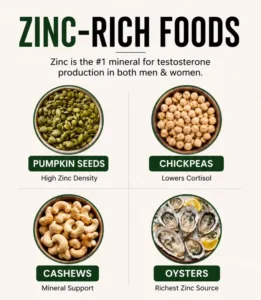
Top Zinc-Rich Foods to Boost Your Diet
Incorporating a variety of zinc-rich foods into your meals is the best way to meet your daily needs. Here are some excellent sources:
Nutrition Spotlight: Zinc in Popular Foods
| Food | Approx. Zinc (mg/serving) | Calories (approx.) | Protein (g) | Carbs (g) | Fat (g) | Fiber (g) | Main Nutrients | Best Benefit |
|---|---|---|---|---|---|---|---|---|
| Oysters (3 oz cooked) | 26-74 | 69 | 8 | 4 | 2 | 0 | Vitamin B12, Iron, Selenium | Highest zinc source |
| Pumpkin Seeds (1 oz) | 2.2 | 160 | 7 | 4 | 14 | 1.7 | Magnesium, Iron, Fiber | Plant-based source, good for snacks |
| Chickpeas (1 cup cooked) | 2.5 | 270 | 14.5 | 45 | 4 | 12.5 | Fiber, Folate, Manganese | Versatile legume, gut health |
| Cashews (1 oz) | 1.6 | 160 | 5 | 9 | 13 | 1 | Magnesium, Copper, Healthy Fats | Creamy texture, easy snack |
| Beef (3 oz cooked) | 4.7-7 | 250 | 25 | 0 | 15 | 0 | Iron, Vitamin B12, Protein | Excellent source, easily absorbed |
| Lentils (1 cup cooked) | 2.5 | 230 | 18 | 40 | 0.8 | 15.6 | Fiber, Iron, Folate | Plant-based, heart healthy |
| Almonds (1 oz) | 0.9 | 165 | 6 | 6 | 14 | 3.5 | Vitamin E, Magnesium, Fiber | Good for heart health |
*Approximate values may vary based on preparation and specific food type.
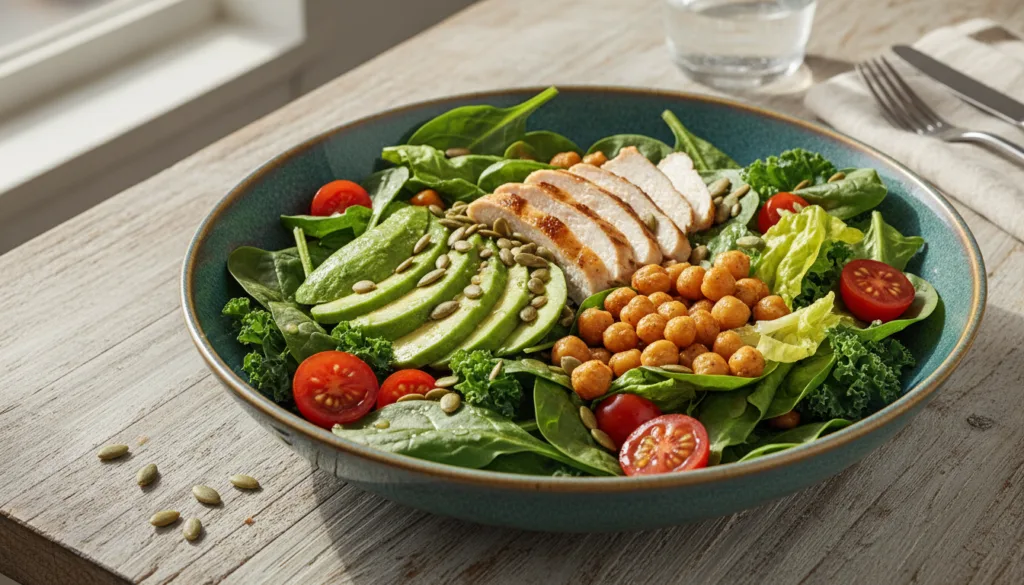
Delicious Ways to Incorporate Zinc into Your Diet
Adding zinc-rich foods to your daily meals can be both easy and enjoyable:
- Snack Smart: Keep a bag of pumpkin seeds or cashews handy for a quick, nutritious snack.
- Boost Your Breakfast: Sprinkle pumpkin seeds or chopped cashews over your oatmeal, yogurt, or smoothie.
- Salad Toppers: Add roasted chickpeas or pumpkin seeds to your salads for extra crunch and nutrients.
- Main Dishes: Incorporate chickpeas into curries, stews, or make a delicious homemade hummus. Oysters can be enjoyed steamed, grilled, or raw if fresh. Beef can be grilled, roasted, or used in stir-fries.
- Baking: Add pumpkin seeds to homemade bread, muffins, or granola bars.
Potential Risks and Considerations
While zinc is vital, both deficiency and excessive intake can have adverse effects.
Zinc Deficiency:
Mild zinc deficiency can manifest as impaired immune function, delayed wound healing, loss of appetite, and changes in taste and smell. Severe deficiency is rare but can lead to growth retardation and serious immune problems.
Excessive Zinc Intake:
It’s challenging to consume too much zinc from food alone. However, high doses from supplements can lead to nausea, vomiting, diarrhea, headaches, and even copper deficiency, as zinc and copper compete for absorption. Always consult a healthcare professional before taking zinc supplements.
Practical Tips for Boosting Your Zinc Intake
- Eat a Varied Diet: Incorporate a wide range of zinc-rich foods from both animal and plant sources.
- Prioritize Plant-Based: If you’re vegetarian or vegan, focus on legumes, nuts, seeds, and fortified cereals, as plant-based zinc may be less bioavailable. Soaking and sprouting legumes can improve zinc absorption.
- Combine for Absorption: Consume zinc-rich foods with protein sources to enhance absorption.
- Smart Snacking: Replace less nutritious snacks with nuts and seeds.
- Cook at Home: Preparing your own meals allows you to control ingredients and ensure a nutrient-dense diet.
Frequently Asked Questions About Zinc
Q: What are the best food sources of zinc?
A: Oysters are exceptionally high in zinc. Other excellent sources include beef, chicken, pork, pumpkin seeds, cashews, chickpeas, lentils, and dairy products.
Q: How much zinc do I need daily?
A: The recommended daily allowance (RDA) for adult men is 11 mg per day, and for adult women, it’s 8 mg per day (11-12 mg if pregnant or breastfeeding).
Q: Can I get enough zinc from food alone?
A: Most people can meet their zinc needs through a balanced diet. However, vegetarians, vegans, and those with certain medical conditions may need to pay closer attention to their intake or consult a doctor about supplementation.
Q: What are the signs of zinc deficiency?
A: Symptoms can include impaired immune function, hair loss, diarrhea, skin lesions, loss of appetite, and a reduced sense of taste or smell.
Q: Is it possible to have too much zinc?
A: Yes, excessive zinc intake, usually from high-dose supplements, can lead to side effects like nausea, vomiting, diarrhea, headaches, and can interfere with copper absorption.
Q: Are zinc supplements necessary?
A: For most healthy individuals consuming a balanced diet, supplements are not necessary. If you suspect a deficiency or have specific health concerns, consult a healthcare professional.
Q: How does cooking affect zinc content in foods?
A: While some nutrients can be lost during cooking, zinc is relatively stable. However, methods like boiling can leach some minerals into the water, so steaming or roasting might be preferable for retention.
Conclusion
Zinc is a foundational mineral for robust health, supporting everything from your immune system to hormone balance and senses. By consciously including zinc-rich foods like pumpkin seeds, chickpeas, cashews, and oysters in your diet, you’re taking a proactive step towards a healthier, more vibrant you.
Start experimenting with these nutritious foods today and feel the difference! For more evidence-based nutrition tips and healthy recipes, be sure to explore other articles on our website.
This content is for educational purposes only and should not be considered medical advice. Consult a qualified healthcare professional for personalized dietary recommendations.