Did you know that a simple carrot can do wonders for your eyesight, or that sweet potatoes are packed with a nutrient vital for your immune system? That’s the power of Vitamin A! This essential nutrient is a true powerhouse, playing a critical role in many bodily functions.
In this article, we’ll dive into the world of Vitamin A, exploring its incredible benefits and, most importantly, identifying the delicious foods that are rich in it. Whether you’re aiming to improve your vision, boost your immunity, or simply eat healthier, understanding Vitamin A sources is a fantastic place to start. Get ready to discover how easily you can incorporate these vibrant foods into your daily meals!
The Mighty Benefits of Vitamin A
Vitamin A isn’t just one nutrient; it’s a group of compounds crucial for human health. It acts as a powerful antioxidant and is indispensable for several bodily processes. Here’s a closer look at what it does:
Supports Healthy Vision
- Night Vision: Vitamin A is a key component of rhodopsin, a protein in your eyes that allows you to see in low light conditions. Without enough Vitamin A, your ability to see at night can be impaired.
- Eye Health: It also protects the surface of the eye (cornea) and helps reduce the risk of age-related macular degeneration (AMD), a leading cause of vision loss.
Boosts Your Immune System
- Immune Cell Function: Vitamin A plays a vital role in the development and function of various immune cells, including T-cells and B-cells, which fight off infections.
- Barrier Integrity: It helps maintain the integrity of mucosal barriers in your eyes, lungs, gut, and genitals, which are your body’s first line of defense against pathogens.
Promotes Skin Health
- Cell Growth and Repair: Vitamin A is essential for healthy skin cell growth and repair, contributing to a smoother, more radiant complexion.
- Anti-Aging: It can help reduce the appearance of wrinkles and fine lines by encouraging cell turnover and supporting collagen production.
Essential for Growth and Development
- Cell Differentiation: Critical for proper growth and development, Vitamin A helps with cell differentiation, ensuring cells develop into their specialized functions.
- Reproductive Health: It also plays a role in reproductive health in both men and women.

Understanding the Two Types of Vitamin A
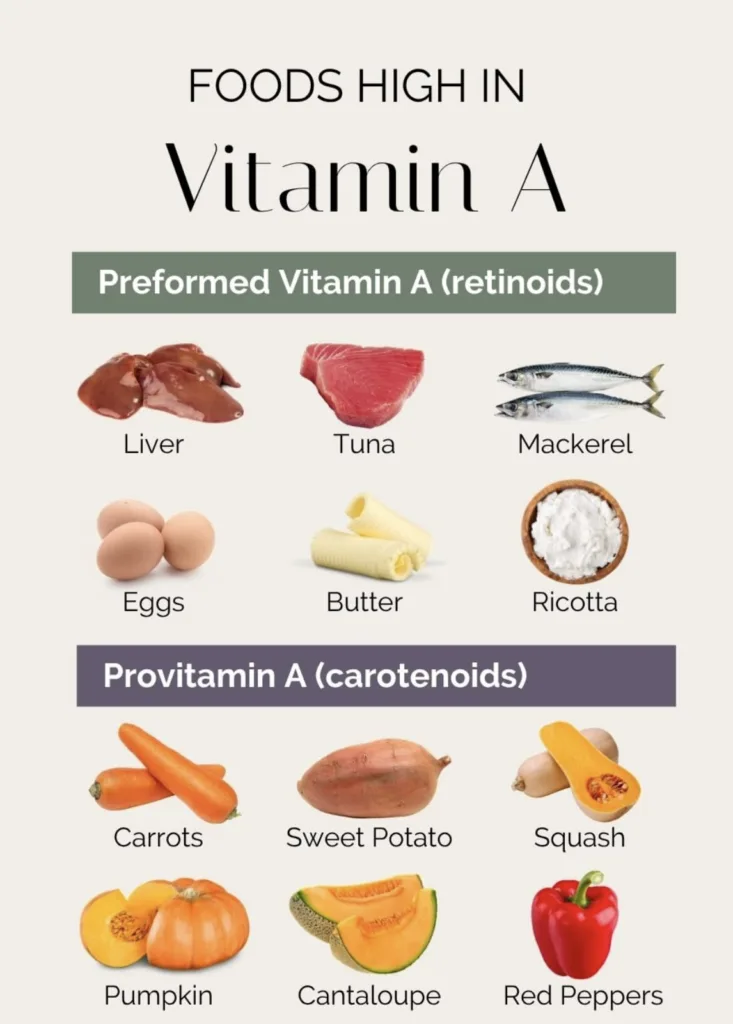
Vitamin A comes in two main forms, each sourced differently and offering unique benefits:
1. Preformed Vitamin A (Retinoids)
- Where it’s found: This type is found in animal products and is readily used by your body.
- Examples: Liver, fish oil, dairy products, and eggs.
- Key point: Your body doesn’t need to convert preformed Vitamin A, making it highly bioavailable.
2. Provitamin A Carotenoids
- Where it’s found: These are plant-based pigments that your body converts into Vitamin A.
- Examples: Beta-carotene is the most common and efficient provitamin A carotenoid, found in colorful fruits and vegetables.
- Key point: The conversion rate can vary between individuals, but consuming these is still highly beneficial.
Top Vitamin A Rich Foods to Add to Your Diet
Here’s a breakdown of delicious and nutritious foods packed with Vitamin A, categorized by type:
Preformed Vitamin A Sources
| Food | Serving Size | Main Nutrients | Best Benefit |
|---|---|---|---|
| Beef Liver | 3 oz cooked | Vitamin A, Iron, B Vitamins | Exceptional source of Vitamin A, supports energy. |
| Cod Liver Oil | 1 tsp | Vitamin A, Vitamin D, Omega-3s | Dual benefits for vision and bone health. |
| Salmon | 3 oz cooked | Vitamin A, Omega-3s, Vitamin D | Supports heart health and vision. |
| Dairy (Milk, Cheese) | 1 cup milk | Vitamin A, Calcium, Vitamin D | Bone health, often fortified. |
| Eggs | 1 large | Vitamin A, Choline, Protein | Supports eye health and brain function. |
Provitamin A (Carotenoid) Sources
| Food | Serving Size | Main Nutrients | Best Benefit |
|---|---|---|---|
| Sweet Potatoes | 1 medium, baked | Beta-carotene, Fiber, Vitamin C | Excellent for vision and digestive health. |
| Carrots | 1 medium | Beta-carotene, Fiber, Vitamin K | Classic vision supporter, good for snacking. |
| Spinach | 1 cup cooked | Beta-carotene, Iron, Vitamin K | Packed with antioxidants and supports bone health. |
| Kale | 1 cup cooked | Beta-carotene, Vitamin K, Vitamin C | Immune booster, anti-inflammatory. |
| Butternut Squash | 1 cup cooked | Beta-carotene, Fiber, Vitamin C | Digestive aid, versatile in recipes. |
| Red Bell Peppers | 1 medium | Beta-carotene, Vitamin C | Powerful antioxidant, boosts immunity. |
| Cantaloupe | 1 cup cubed | Beta-carotene, Vitamin C, Water | Hydrating and supports skin health. |
| Apricots | 3 medium | Beta-carotene, Fiber, Vitamin C | Good for digestion and skin. |
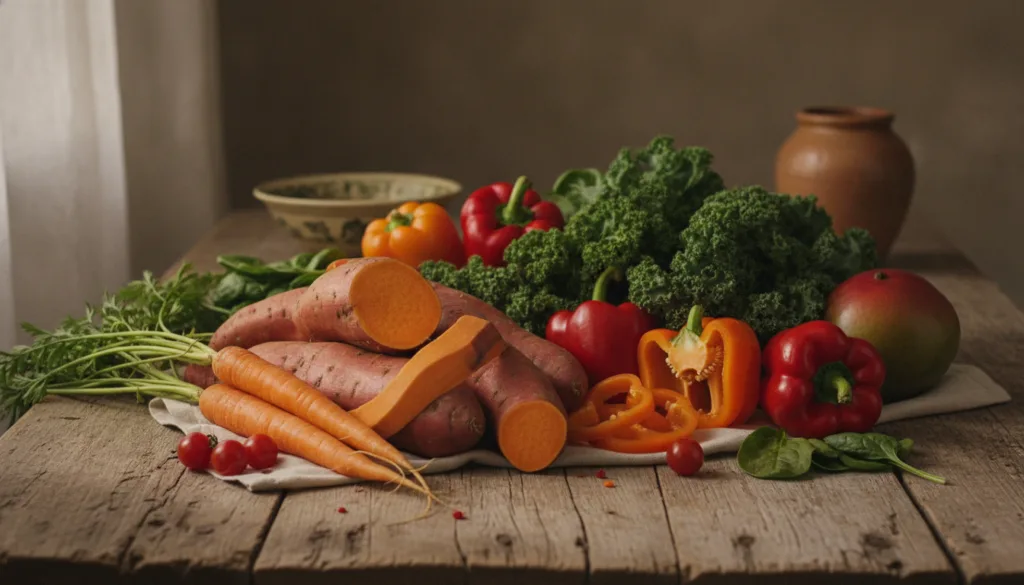
Best Ways to Eat Vitamin A Foods
Getting enough Vitamin A is easy and delicious! Here are some practical tips to maximize your intake and absorption:
- Cook Carotenoids: Lightly cooking vegetables like carrots, sweet potatoes, and spinach can actually make their beta-carotene more available for your body to absorb.
- Pair with Healthy Fats: Vitamin A is fat-soluble, meaning it’s best absorbed when consumed with a source of healthy fats. Drizzle olive oil over your spinach, add avocado to your sweet potato, or enjoy a handful of nuts with cantaloupe.
- Diversify Your Plate: Aim for a variety of colorful fruits and vegetables daily to ensure you’re getting a broad spectrum of nutrients, including different carotenoids.
- Include Animal Sources Moderately: If you consume animal products, lean sources of preformed Vitamin A like salmon or eggs can be a great addition.
- Smoothies and Juices: Blend carrots, spinach, or kale into your morning smoothie for a quick Vitamin A boost.
Potential Risks of Excessive Vitamin A
While essential, it’s important to be mindful of Vitamin A intake, especially preformed Vitamin A (retinoids), as it can be stored in the body and become toxic in very high doses.
- Hypervitaminosis A: This condition occurs from consuming too much preformed Vitamin A, often from supplements or certain animal products like liver in very large quantities. Symptoms can include headaches, dizziness, nausea, and in severe cases, liver damage.
- Pregnancy Concerns: High doses of preformed Vitamin A during pregnancy can cause birth defects. Pregnant individuals should be cautious with Vitamin A supplements and consult their doctor.
- Provitamin A Safety: Provitamin A carotenoids from plant sources (like beta-carotene) are generally considered safe, even in large amounts. Your body converts them to Vitamin A only as needed, and excess carotenoids are typically stored in the skin, sometimes causing a harmless orange tint (carotenemia).
Always aim to get your nutrients primarily from a balanced diet. If considering supplements, speak to a healthcare professional.
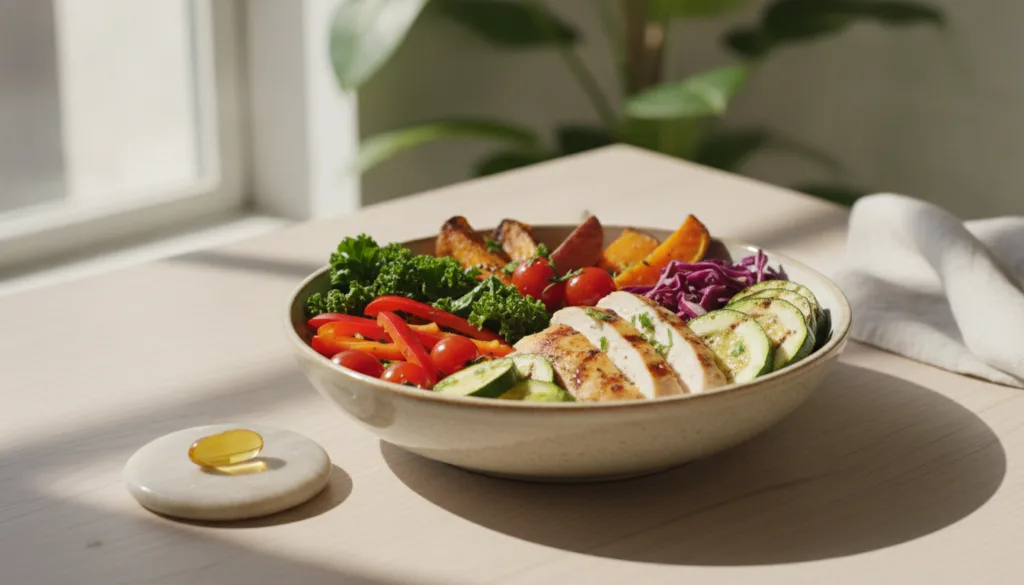
Practical Tips for Daily Vitamin A Boosts
Integrating Vitamin A-rich foods into your daily routine doesn’t have to be complicated. Here are some simple, actionable tips:
- Morning Power: Add a handful of spinach to your breakfast smoothie or scrambled eggs.
- Lunchtime Lift: Include shredded carrots or bell peppers in your salads, wraps, or sandwiches.
- Snack Smarts: Munch on baby carrots with hummus, or enjoy a few dried apricots.
- Dinner Delight: Roast sweet potatoes or butternut squash as a side dish, or incorporate kale into stir-fries and soups.
- Dessert Delight: Try a small bowl of cantaloupe or a baked apple with a sprinkle of cinnamon.
- Meal Prep: Chop up a variety of colorful veggies at the beginning of the week to have them ready for quick meals and snacks.
FAQs About Vitamin A
Q1: Can Vitamin A cure my vision problems?
A: While Vitamin A is crucial for maintaining healthy vision and can help with certain conditions like night blindness, it cannot cure all vision problems. Always consult an eye care professional for specific vision concerns.
Q2: Is it better to get Vitamin A from animal or plant sources?
A: Both animal (preformed Vitamin A) and plant (provitamin A carotenoids) sources are beneficial. A balanced diet including both provides a wider range of nutrients. Plant sources offer additional fiber and antioxidants.
Q3: How much Vitamin A do I need daily?
A: The recommended daily allowance (RDA) varies by age, gender, and life stage. For most adults, it’s around 700-900 micrograms (mcg) RAE (Retinol Activity Equivalents). It’s best to check with a healthcare professional for personalized recommendations.
Q4: Can I get too much Vitamin A from food?
A: It’s extremely difficult to get toxic levels of Vitamin A from plant-based provitamin A carotenoids. However, consuming excessive amounts of preformed Vitamin A from animal sources (like liver) or supplements can lead to toxicity. Always practice moderation.
Q5: Does cooking destroy Vitamin A?
A: Light cooking can actually increase the bioavailability of carotenoids from plant foods. While very high heat or prolonged cooking might slightly reduce some nutrients, it typically doesn’t destroy a significant amount of Vitamin A.
Q6: Are carrots really good for your eyes?
A: Yes! Carrots are rich in beta-carotene, which your body converts into Vitamin A, a nutrient vital for good vision, especially in low light. This isn’t a myth, but rather a scientific fact!
Conclusion
Vitamin A is truly a superhero nutrient, essential for everything from clear vision and robust immunity to healthy skin and proper growth. By understanding the difference between preformed Vitamin A and provitamin A carotenoids, you can make informed choices to nourish your body effectively.
Remember, a colorful and varied diet is your best strategy for ensuring adequate Vitamin A intake. So, next time you’re at the grocery store, fill your cart with vibrant carrots, luscious sweet potatoes, leafy greens, and maybe even some eggs or salmon. Your body will thank you!
Explore more healthy food content on our website to continue your journey towards a healthier, happier you!
This content is for educational purposes only and should not be considered medical advice. Consult a qualified healthcare professional for personalized dietary recommendations.