When ear discomfort strikes, many people look for quick solutions, and traditional remedies often come to mind. Garlic, a staple in many kitchens, has a long history of use in folk medicine for various ailments, including ear issues. However, the way you prepare and apply it makes all the difference between relief and a bigger problem. Most people ignore the proper preparation methods and jump straight to unsafe practices that can do more harm than good.
This guide cuts through the confusion, offering a safe, practical approach to using garlic for external ear discomfort: a gently infused oil. Forget about placing raw cloves directly in your ear, which can be dangerous. We’ll show you how to harness garlic’s soothing properties safely and effectively.

What It Is: Garlic-Infused Oil for Ear Discomfort
Garlic (Allium sativum) is renowned for its natural compounds, particularly allicin, which is released when garlic is crushed or chopped. Traditionally, it has been valued for its properties that may help with certain discomforts. For ear care, the most common and safest method is to create a garlic-infused oil. This preparation allows you to extract some of garlic’s beneficial compounds into a carrier oil, which can then be applied externally around the ear or as drops, depending on the specific situation and always with caution.
Ingredients for Garlic-Infused Ear Oil
- 2-3 medium-sized cloves of fresh garlic
- 2 tablespoons of high-quality carrier oil (such as olive oil, sweet almond oil, or jojoba oil)
Approximate Measurements
For a small batch, start with 2-3 garlic cloves and 2 tablespoons of carrier oil. This ratio ensures a potent infusion without overwhelming the oil. You can scale up the recipe if you need a larger quantity, maintaining a similar garlic-to-oil proportion.
Formula / Recipe: Crafting Your Soothing Oil
Creating garlic-infused oil is straightforward, but it requires patience and gentle heat to avoid burning the garlic and compromising its beneficial properties.
Step-by-Step Method
- Prepare the Garlic: Peel the garlic cloves. Lightly crush them using the flat side of a knife or a garlic press. Do not chop them too finely, as this can make straining difficult. The goal is to bruise the cloves to release their compounds.
- Combine Ingredients: Place the crushed garlic and your chosen carrier oil into a small, heat-proof glass jar or a small saucepan.
- Gentle Infusion (Double Boiler Method): If using a jar, place it in a larger pot of water, creating a makeshift double boiler. Heat the water on low, allowing the garlic and oil to gently warm for about 20-30 minutes. The oil should be warm, not hot or simmering. If using a saucepan directly, heat on the lowest setting possible, ensuring the oil never boils or fries the garlic.
- Cool and Strain: Remove from heat and let the mixture cool completely to room temperature. Once cool, strain the oil using a fine-mesh sieve or cheesecloth to remove all garlic solids. Discard the solids.
- Bottle and Store: Transfer the clear, infused oil into a clean, dark glass dropper bottle.
Quick Tip: The Importance of Gentle Heat
Overheating garlic can destroy its beneficial compounds and create a strong, unpleasant odor and taste. Always use low heat and never allow the garlic to brown or sizzle vigorously. The goal is a gentle infusion, not frying.
How to Use Garlic-Infused Ear Oil
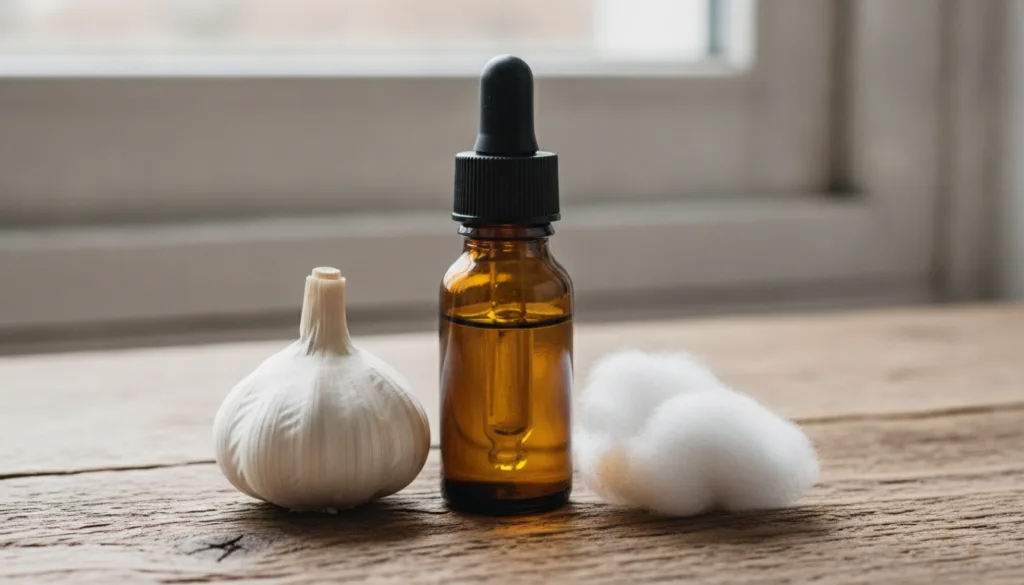
This oil is intended for external use or as ear drops *only if you are certain your eardrum is intact and you have consulted a healthcare professional*. For general discomfort, apply a few drops to a cotton ball and gently wipe around the outer ear canal, avoiding direct insertion deep into the canal. For ear drops, warm the oil slightly by placing the bottle in a cup of warm water for a few minutes. Test the temperature on your wrist to ensure it’s not too hot. Lie on your side with the affected ear facing up and place 1-2 drops into the ear canal. Stay in this position for 5-10 minutes to allow the oil to settle. You can cover the ear with a cotton ball to prevent leakage.
How Often to Use It
For external application, you can gently wipe the outer ear 2-3 times a day as needed. If using as drops (after professional consultation), once or twice a day for a few days is typically sufficient. Discontinue use if irritation occurs or if symptoms worsen.
How to Buy / How to Choose Ingredients
Garlic: Choose fresh, firm garlic cloves without any sprouts, soft spots, or mold. Organic garlic is preferred to avoid pesticides.
Carrier Oil: Opt for high-quality, cold-pressed extra virgin olive oil, sweet almond oil, or jojoba oil. These oils are gentle on the skin and known for their nourishing properties. Avoid highly refined or chemically processed oils.
Storage
Store your homemade garlic-infused ear oil in a dark, airtight glass bottle in a cool, dark place. Due to the presence of garlic, homemade oils carry a slight risk of botulism if not prepared and stored correctly. To minimize this risk, always make small batches and use them promptly. Refrigeration can extend shelf life but is not a complete guarantee against bacterial growth for raw garlic oil. For maximum safety, consider infusing the oil without garlic solids for longer storage or discard any unused oil after 3-5 days, or immediately if you notice any changes in smell or appearance.
Practical Tips
- Test First: Always perform a patch test on a small area of skin (e.g., inner forearm) before applying the oil to your ear to check for any allergic reactions.
- Warmth is Key: Warming the oil slightly before use can make application more comfortable and help with soothing.
- Cleanliness: Ensure all your tools and bottles are thoroughly clean and sterilized before use to prevent contamination.
Common Mistakes
One small preparation mistake can ruin the whole batch or, worse, cause harm. Here are common mistakes to avoid:
- Inserting a Raw Garlic Clove Directly into the Ear: This is perhaps the most dangerous and common mistake. Inserting a raw garlic clove can push earwax deeper, irritate the delicate skin of the ear canal, cause chemical burns, or even lead to an infection if the garlic gets stuck or breaks apart. It also poses a risk of damaging the eardrum. Never place raw garlic directly inside the ear canal.
- Overheating the Oil: Frying the garlic or using excessively high heat destroys its beneficial compounds and can create irritants.
- Not Straining Properly: Leaving garlic particles in the oil can cause skin irritation or, if used as drops, clog the ear canal.
- Using Stale or Moldy Garlic: Compromised ingredients lead to compromised remedies and potential contamination.
- Using on a Perforated Eardrum: Applying any liquid to an ear with a perforated eardrum can lead to serious infection and further damage. Always consult a doctor if you suspect a perforation.
Surprisingly…
While garlic is known for its antimicrobial properties, directly inserting it into the ear canal does not effectively deliver these compounds in a safe or controlled manner, and can instead introduce bacteria or fungi if the clove itself is not sterile.
Cautions / Who Should Avoid It
While garlic-infused oil can be soothing, it’s not for everyone, and certain conditions warrant immediate medical attention:
- Perforated Eardrum: If you suspect or know you have a perforated eardrum, absolutely do not put any liquids or objects into your ear.
- Severe Ear Pain, Fever, or Discharge: These symptoms could indicate a serious infection that requires medical diagnosis and treatment. Do not self-treat with garlic oil.
- Allergies: If you are allergic to garlic or any of the carrier oils, avoid this remedy.
- Children: Always consult a pediatrician before using any home remedies for children’s ear discomfort.
- Post-Ear Surgery: Avoid using any remedies in the ear after surgery unless advised by your doctor.
Always seek professional medical advice for persistent ear pain, hearing loss, or any serious ear conditions.
Quick Summary
For safe external ear discomfort relief, prepare garlic-infused oil by gently warming crushed fresh garlic in a high-quality carrier oil (like olive oil) for 20-30 minutes, then straining. Apply a few warm drops to a cotton ball and wipe around the outer ear, or use as drops only after confirming an intact eardrum with a doctor. Never insert raw garlic directly into the ear. Store in a dark, cool place and discard after 3-5 days due to botulism risk. Avoid if you have a perforated eardrum, severe pain, or fever, and always consult a healthcare professional for persistent issues.
FAQ
- Can I use fresh or dried garlic?
Always use fresh garlic for this recipe, as it contains higher concentrations of beneficial compounds. Dried garlic may not infuse as effectively. - How long does garlic-infused oil last?
Due to the risk of botulism with raw garlic in oil, it’s safest to make small batches and use them within 3-5 days, even when refrigerated. Discard immediately if there’s any unusual smell or appearance. - Can I refrigerate it?
Refrigerating the oil can help extend its freshness slightly, but it does not eliminate the risk of bacterial growth, especially botulism, for homemade garlic-infused oils. - How often should I use it?
For external application, 2-3 times a day as needed. For drops (only after consulting a doctor), once or twice a day for a few days. - What part of the garlic is best?
The cloves are the part used for making infused oil. - When should I avoid using garlic oil for my ears?
Avoid it if you have a perforated eardrum, severe pain, fever, discharge, or any symptoms suggesting a serious infection. Consult a doctor immediately. - Can I use other oils besides olive oil?
Yes, sweet almond oil or jojoba oil are also good choices as carrier oils due to their gentle nature.
Short Conclusion
Garlic has earned its place in natural wellness, but harnessing its potential for ear discomfort requires understanding and safe practices. By preparing a gentle garlic-infused oil and applying it judiciously, you can explore this traditional remedy without the risks associated with improper use. Always prioritize safety, listen to your body, and consult a healthcare professional for persistent or severe ear issues to ensure you receive the appropriate care.