Welcome back, fellow garden enthusiasts! Are you dreaming of a bountiful harvest, fresh from your own backyard? The secret to a thriving vegetable garden often lies in one crucial factor: timing. Planting your vegetables at the right time, especially in relation to frost, can make all the difference between a struggling patch and a flourishing oasis.
Today, we’re diving deep into the art of optimal vegetable planting, ensuring your greens, roots, and fruits get the best start possible for a truly spectacular home harvest. Say goodbye to guesswork and hello to a garden that truly thrives!
Understanding Frost Dates: Your Garden’s Calendar
Before you even think about putting seeds in the ground, it’s essential to understand your local frost dates. These dates are pivotal for knowing when it’s safe to plant tender crops and when to start hardening off your cold-hardy varieties.
- Last Spring Frost Date: This is the average date of the last 32°F (0°C) temperature in spring. It marks the unofficial start of the growing season for many. Planting tender plants (like tomatoes and peppers) before this date can expose them to lethal cold.
- First Fall Frost Date: This is the average date of the first 32°F (0°C) temperature in autumn. It signals the end of the growing season for most tender plants and the time to harvest or protect late-season crops.
You can find your specific frost dates by checking with your local agricultural extension office or using online resources that provide data based on your zip code. This local knowledge is your most powerful tool!
Why Frost Matters So Much
Frost can be a gardener’s biggest enemy, especially for young, tender plants. When water inside plant cells freezes, it expands, rupturing the cell walls and leading to irreversible damage, wilting, and ultimately, death. Understanding frost helps you:
- Protect vulnerable seedlings.
- Maximize your harvest window.
- Plan for succession planting effectively.
Planting Strategies for Frost-Free Growth
Once you know your frost dates, you can strategize your planting schedule like a pro!
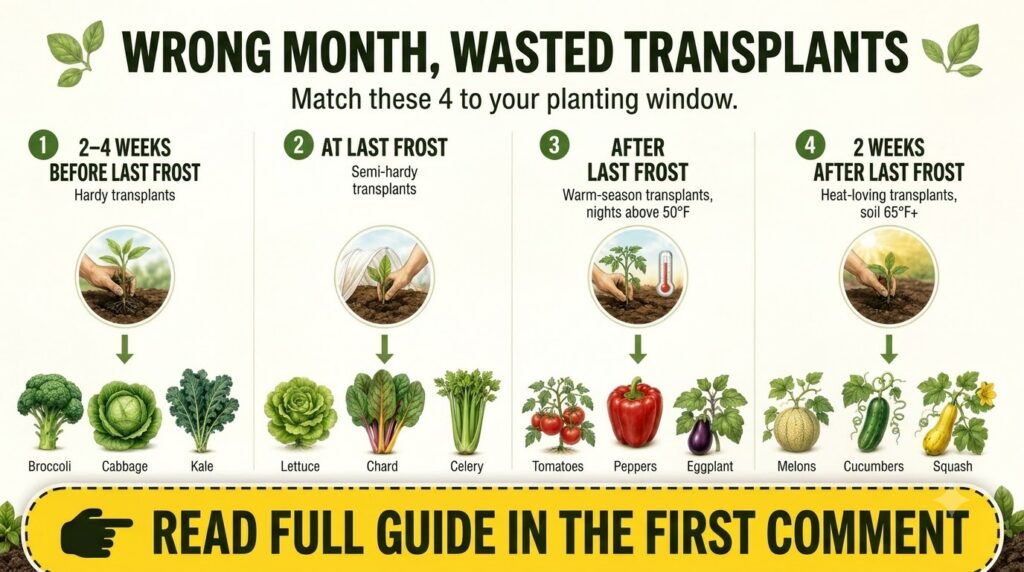
1. Planting Well Before the Last Spring Frost (6-8 Weeks Out)
Some vegetables actually thrive in cooler temperatures and can even withstand a light frost. These hardy heroes are perfect for getting a head start on the season.
- What to Plant: Think leafy greens like spinach, lettuce, kale, and Swiss chard. Root vegetables such as radishes, carrots, and beets also do well. Peas and onions are other great candidates.
- Tips: Many of these can be direct-sown into the garden. If you start them indoors, make sure to harden them off gradually before transplanting. Consider using row covers for extra protection if an unexpected cold snap is predicted.
2. Planting Around the Last Spring Frost (2-4 Weeks Out)
As the last frost date approaches, you can begin to introduce