Welcome, fellow garden enthusiasts! If you’ve ever wondered why some of your vegetables thrive while others struggle, the answer might be simpler than you think: sunlight. Just like us, plants need the right amount of light to grow strong and produce bountiful harvests. Mastering the art of sunlight optimization is one of the most crucial steps to a successful and vibrant vegetable patch.
In this guide, we’ll dive deep into the world of sunlight requirements for your garden, helping you understand how much light your plants truly need and how to make the most of what your garden has to offer. Let’s unlock the sunlight secrets together!
Why Sunlight Matters So Much for Vegetables
Sunlight is the primary energy source for plants, driving the magical process of photosynthesis. During photosynthesis, plants convert light energy into chemical energy, which they use to grow, flower, and produce fruit. Without adequate sunlight, plants can become leggy, weak, and fail to yield the delicious produce you’re dreaming of.
Different vegetables have different preferences, much like people prefer varying climates. Some love basking in the full glory of the sun all day, while others prefer a bit of shade during the hottest parts of the afternoon.
Understanding Sunlight Categories for Your Garden
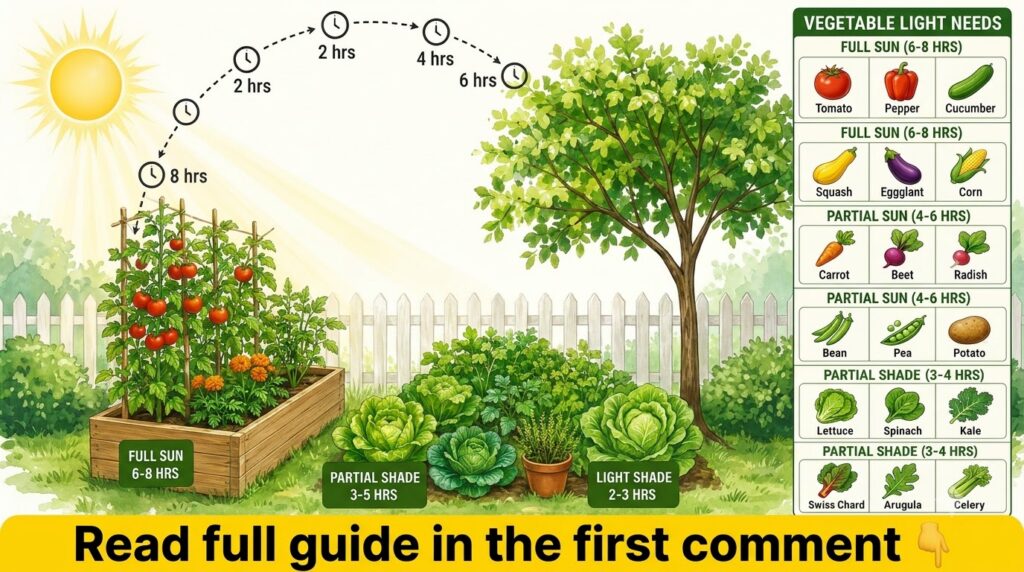
Before you even plant a single seed, it’s essential to observe your garden space and identify how much sun different areas receive throughout the day. Here are the main categories:
Full Sun (6+ hours of direct sunlight)
- This is the ideal condition for most fruiting vegetables.
- Plants that thrive here include tomatoes, peppers, eggplants, corn, squash, cucumbers, beans, and melons.
- The 6 hours don’t have to be consecutive, but direct, unfiltered sunlight is key.
Partial Sun (4-6 hours of direct sunlight)
- These areas receive sunlight for a good portion of the day, but might get afternoon shade.
- Perfect for many root vegetables and leafy greens that might bolt (go to seed prematurely) or burn in intense full sun.
- Think carrots, beets, radishes, lettuce, spinach, Swiss chard, and some herbs like cilantro.
Partial Shade (2-4 hours of direct sunlight)
- This means the area gets limited direct sun, often in the morning, and is shaded for the rest of the day.
- While challenging for most vegetables, some leafy greens and herbs can tolerate and even appreciate this.
- Kale, spinach, lettuce (especially in hot climates), cilantro, and mint can do reasonably well here.
Mapping Your Garden’s Sunlight
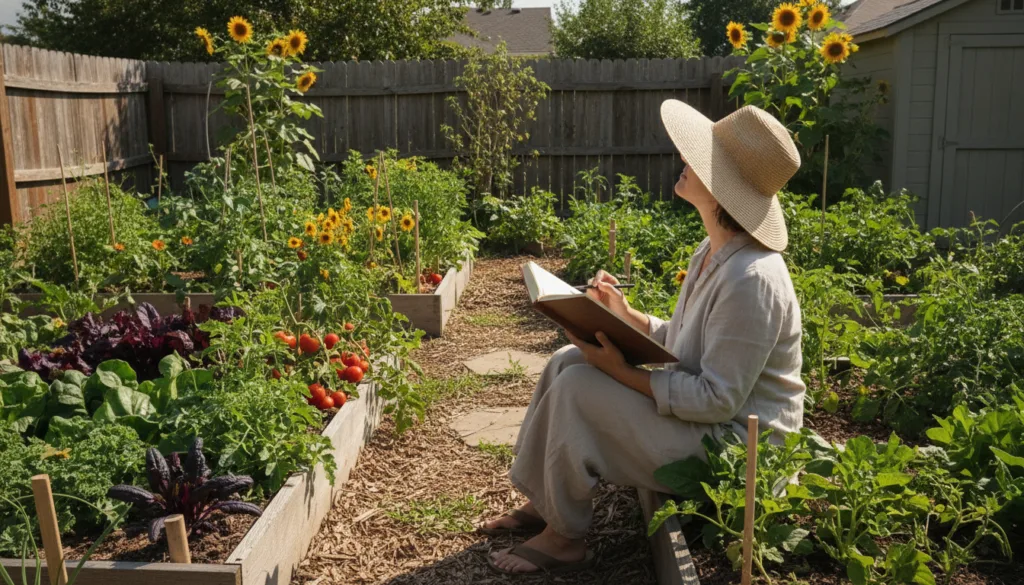
Grab a notebook and spend a day observing your garden. Note which areas get morning sun, afternoon sun, and shade at different times. You can even draw a simple map of your garden and mark the sun patterns. This visual aid will be invaluable for planning your planting layout.
Tips for Optimizing Sunlight in Your Vegetable Patch
1. Choose the Right Spot
If you have flexibility, select the sunniest part of your yard for your main vegetable garden. For areas with less sun, consider raised beds or containers that can be moved.
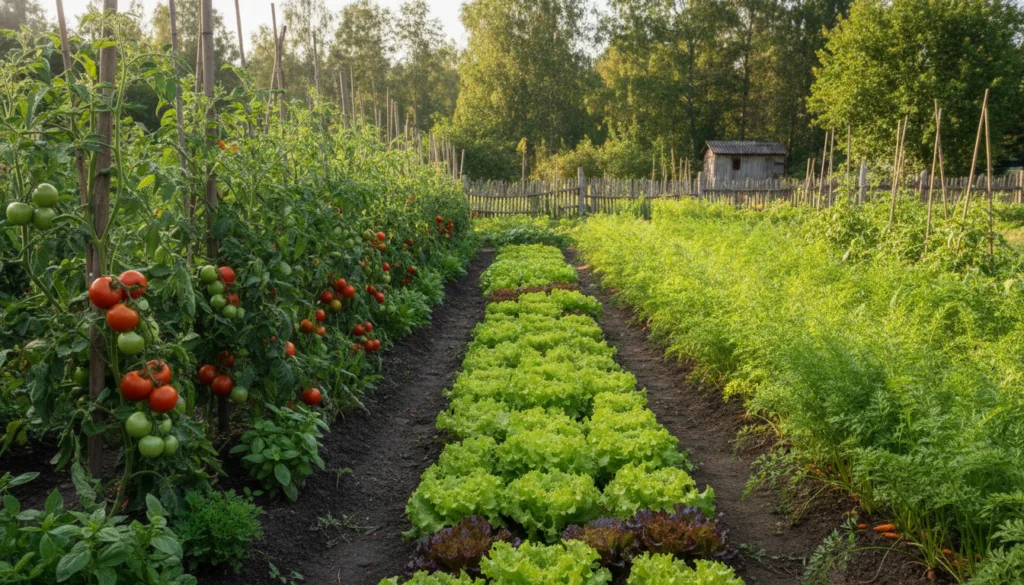
2. Plant Taller Plants to the North
To prevent taller plants from shading out shorter ones, always plant them on the north side of your garden beds. This ensures all your plants get their fair share of sunshine throughout the day.
3. Prune Strategically
If nearby trees or shrubs are casting too much shade, consider judicious pruning. Remove lower branches or thin out dense canopies to allow more light to reach your garden.
4. Consider Reflective Surfaces
In areas with limited sunlight, you can sometimes use reflective materials (like white walls or reflective mulches) to bounce light onto your plants. Be cautious not to overdo it, as too much reflected heat can also be detrimental.
5. Companion Planting for Shade
Utilize companion planting to your advantage. Plant shade-tolerant crops next to taller, sun-loving plants that can provide a bit of afternoon relief, especially in hot climates.
Troubleshooting Common Sunlight Issues
Too Much Sun/Heat
In very hot climates, even sun-loving plants can suffer from sunburn. Consider using shade cloth during peak summer hours to protect delicate leaves and fruit.
Not Enough Sun
If your garden is inherently shady, focus on growing crops that tolerate partial sun or partial shade. Don’t fight nature; embrace it by selecting the right plants for the conditions you have.
Final Thoughts on Sunlight and Your Garden
Understanding and optimizing sunlight is a game-changer for any gardener. It empowers you to select the right plants for the right spots, leading to healthier plants, fewer pest problems, and a more abundant harvest. Remember, gardening is all about learning and adapting, and mastering sunlight is a huge step in becoming a more successful gardener.
What are your biggest challenges or successes with sunlight in your garden? Share your experiences and tips in the comments below! We’d love to hear from you!