Unlock Plant-Based B12: Essential Guide for Vegans & Vegetarians
Eating a plant-based diet offers incredible benefits for your health and the planet. From vibrant vegetables to hearty legumes, the plant kingdom provides a wealth of nutrients. However, one nutrient often raises questions for those embracing a vegan or vegetarian lifestyle: Vitamin B12.
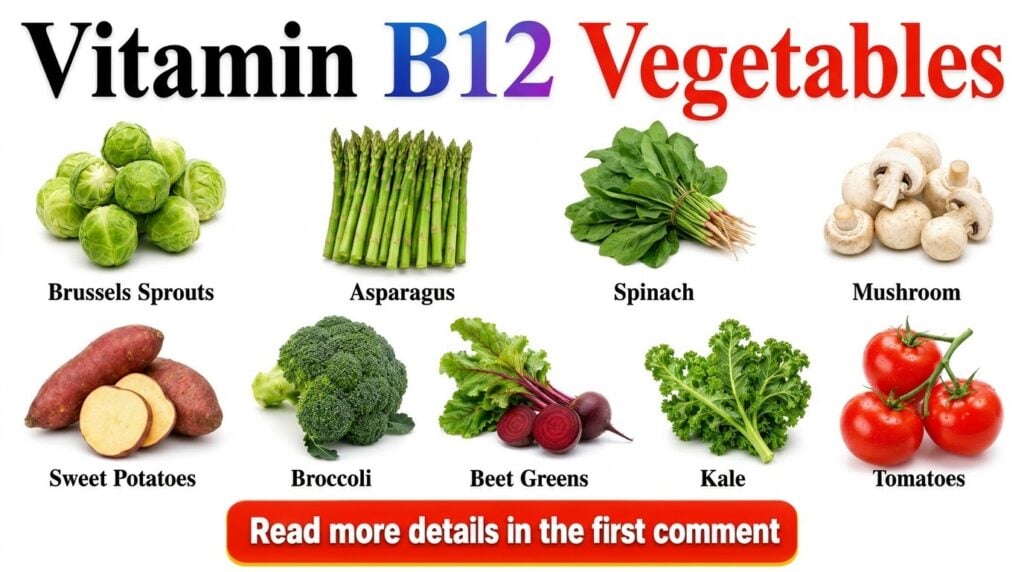
It’s a common misconception that many colorful vegetables directly supply this crucial vitamin. While a plate full of greens is always a good idea, the reality of plant-based B12 is a bit more nuanced than you might think. This article will help you understand what Vitamin B12 is, why it’s so important, and how you can reliably ensure adequate intake on a plant-based diet.
Let’s dive in and unlock the power of smart plant-based nutrition!
What is Vitamin B12 and Why Do We Need It?
Vitamin B12, also known as cobalamin, is an essential nutrient that plays a vital role in several critical bodily functions. Unlike many other vitamins, our bodies cannot produce B12 on their own, meaning we must get it from our diet.
Key Roles of Vitamin B12:
- Nerve Function: It’s crucial for the healthy functioning and development of nerve cells, including the formation of myelin, which insulates nerves.
- Red Blood Cell Formation: B12 is essential for producing red blood cells, which carry oxygen throughout your body. A deficiency can lead to megaloblastic anemia.
- DNA Synthesis: It plays a key role in the creation of DNA, the genetic material in all cells.
- Energy Metabolism: While not a direct energy source, B12 helps convert food into energy, supporting overall vitality.
Without sufficient B12, you might experience fatigue, weakness, nerve problems, or memory issues. That’s why understanding its sources is so important, especially for those following specific dietary patterns.

The Truth About Plant-Based B12 Sources
Here’s where it gets interesting: Vitamin B12 is primarily produced by certain bacteria and is naturally found in animal products like meat, fish, eggs, and dairy. This is because animals either consume these bacteria or absorb B12 from their digestive tracts.
For a long time, it was thought that B12 came directly from the animals themselves. However, the reality is that the B12 in animal products originates from microorganisms in their environment or in their digestive systems, or through feed fortification.
Plants generally do not produce or store Vitamin B12. This means that if you’re eating a fully plant-based diet, you won’t get reliable amounts of B12 directly from most fruits, vegetables, grains, nuts, or seeds.
Myth vs. Reality: Common “Plant-Based B12” Claims
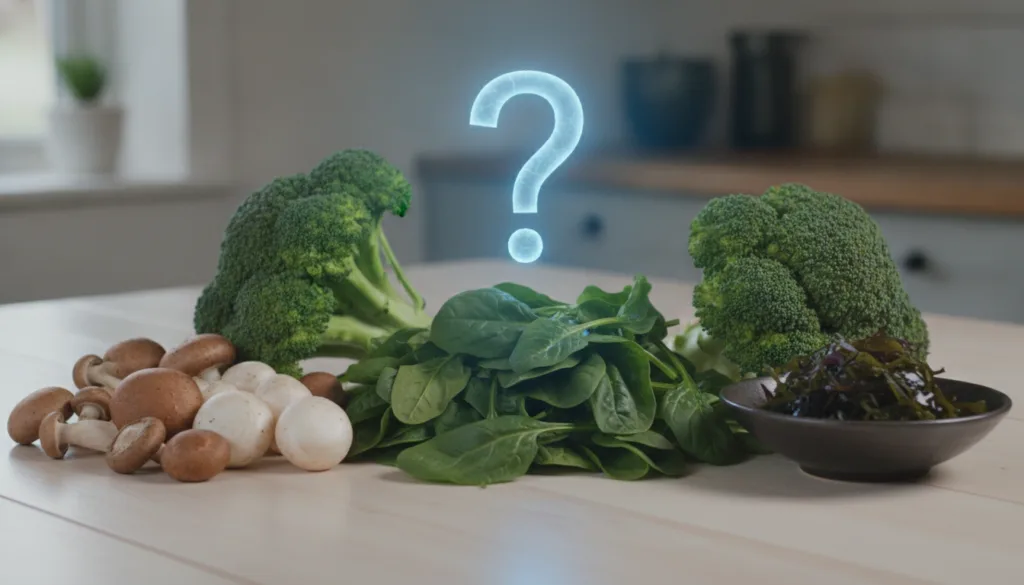
You might have heard or read that certain plant foods like mushrooms or some seaweeds can provide B12. Let’s clarify some of these claims:
-
Mushrooms:
Some mushrooms, particularly certain varieties like shiitake, may contain trace amounts of B12, especially if grown in B12-rich soil or fortified. However, these amounts are usually insignificant and highly variable, making them unreliable as a primary B12 source.
-
Seaweeds (Nori, Spirulina, Chlorella):
While some seaweeds contain B12, much of it is often in an inactive form (analogs) that our bodies cannot effectively use. Relying on seaweed alone for B12 is not recommended as a safe or sufficient strategy.
-
Fermented Foods:
Certain fermented foods (like tempeh or sauerkraut) might contain some B12 due to bacterial activity, but similar to mushrooms and seaweeds, the amounts are typically low and inconsistent, not providing enough to meet daily needs.
The important takeaway is that while these foods might contain *some* B12, they are not consistent, bioavailable, or high enough sources to meet your daily requirements, especially if you are exclusively plant-based.
Reliable Plant-Based B12 Solutions
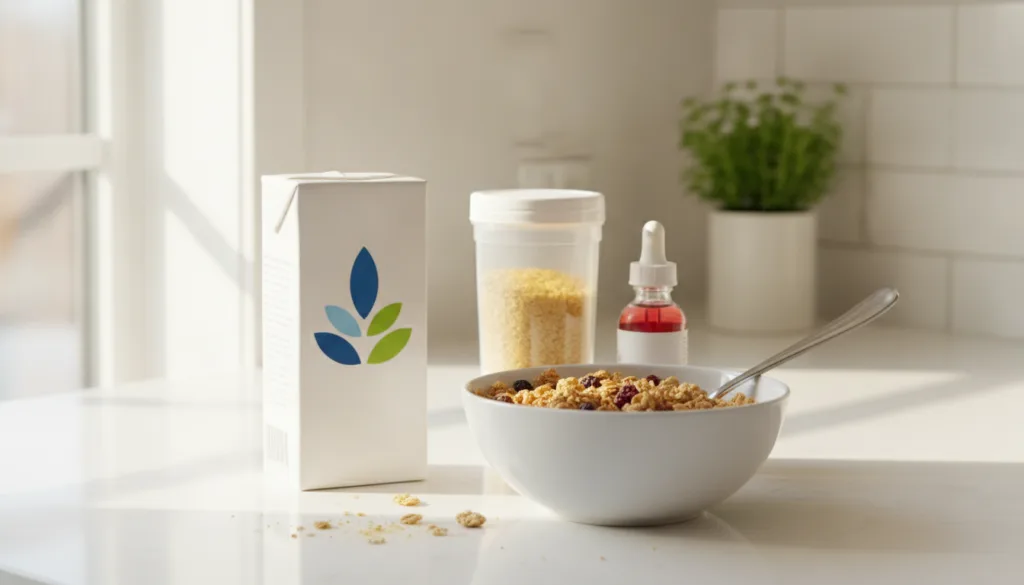
For individuals following a vegan or predominantly plant-based diet, the most reliable and effective ways to obtain sufficient Vitamin B12 are through fortified foods and supplementation.
1. Fortified Foods:
Many common plant-based products are fortified with B12, making it easy to incorporate into your daily meals. Look for these in your grocery store:
- Plant Milks: Almond, soy, oat, and rice milks are often fortified with B12. Check the nutrition label!
- Breakfast Cereals: Many cereals are fortified with a range of vitamins and minerals, including B12.
- Nutritional Yeast: This cheesy-flavored food product is a favorite among vegans and is usually fortified with significant amounts of B12. It’s great sprinkled on popcorn, pasta, or salads.
- Meat Alternatives: Some plant-based meat substitutes may be fortified with B12.
2. Vitamin B12 Supplements:
For consistent and guaranteed B12 intake, a supplement is often recommended, especially for strict vegans. B12 supplements are widely available and come in various forms:
- Oral Tablets: These are the most common form.
- Sublingual Tablets: Designed to dissolve under the tongue for direct absorption.
- Sprays: A convenient option for some.
It’s important to choose a supplement containing cyanocobalamin or methylcobalamin, which are effective forms of B12.
Signs of B12 Deficiency
It’s important to be aware of the signs of B12 deficiency, as symptoms can develop slowly over time. If you experience any of these, consult a healthcare professional:
- Persistent fatigue and weakness
- Lightheadedness or dizziness
- Shortness of breath
- Pale skin
- Numbness or tingling in the hands and feet
- Difficulty walking and balance problems
- Memory loss or confusion
- Depression or mood changes
- A swollen, inflamed tongue (glossitis)
Practical Tips for Ensuring Adequate B12
Here’s how to confidently incorporate B12 into your plant-based lifestyle:
- Prioritize Fortified Foods: Regularly include fortified plant milks, cereals, and nutritional yeast in your diet. Read labels carefully to check for B12 fortification.
- Consider a Supplement: If you’re vegan, a daily B12 supplement (typically 25-100 mcg per day) or a weekly dose (2000 mcg once a week) is often recommended. Discuss dosage with a healthcare provider.
- Regular Blood Tests: Ask your doctor to check your B12 levels during your annual physical, especially if you’re new to a plant-based diet or have concerns.
- Educate Yourself: Stay informed about reliable B12 sources and share this knowledge with friends and family interested in plant-based eating.
FAQs About Plant-Based B12
Q: Can I get enough B12 from unwashed organic vegetables?
A: No, while some soil bacteria produce B12, the amounts on unwashed vegetables are minimal and highly inconsistent. Relying on this for B12 is not a safe or effective strategy.
Q: Do I need a B12 supplement if I’m vegetarian but eat dairy and eggs?
A: While dairy and eggs contain B12, the amount can vary. It’s still wise for vegetarians to monitor their B12 intake and consider fortification or supplementation, especially if dairy and egg consumption is low. A blood test can help determine your needs.
Q: What is the best form of B12 supplement?
A: Both cyanocobalamin and methylcobalamin are effective. Cyanocobalamin is the most studied and generally recommended due to its stability. Methylcobalamin is another active form. Consult with a healthcare professional for personalized advice.
Q: How much B12 do adults need daily?
A: The recommended daily intake for adults is 2.4 micrograms (mcg). However, absorption can be complex, so supplements often provide higher doses to ensure sufficient intake.
Q: Can too much B12 be harmful?
A: B12 is a water-soluble vitamin, so excess amounts are generally excreted. It has a very low toxicity profile, and adverse effects from high doses are rare. However, always stick to recommended dosages unless advised otherwise by a doctor.
Q: Is nutritional yeast a good source of B12?
A: Yes, many brands of nutritional yeast are fortified with B12 and can be an excellent source. Always check the nutrition label to confirm fortification levels.
Conclusion
Embracing a plant-based diet is a fantastic journey toward a healthier lifestyle. With a clear understanding of Vitamin B12 and how to reliably obtain it, you can enjoy all the benefits of plant-powered eating without worrying about nutritional deficiencies. Remember, fortified foods and a high-quality supplement are your best allies for ensuring optimal B12 levels.
Keep exploring, keep learning, and keep nourishing your body with delicious, evidence-based plant-based choices!
This content is for educational purposes only and should not be considered medical advice. Consult a qualified healthcare professional for personalized dietary recommendations.
Explore More Healthy Eating Content:
- High Protein Plant-Based Meals
- Healthy Smoothie Recipes
- Understanding Essential Vitamins & Minerals
- Smart Grocery Shopping for a Plant-Based Diet