What if the secret to a more vibrant, healthier you was already hiding in plain sight, right there in your kitchen pantry? We often reach for exotic superfoods, overlooking the incredible power packed into everyday spices. But today, we’re shining a light on a magnificent trio – garlic, oregano, and cinnamon – three humble ingredients ready to transform your daily meals into potent wellness boosters. Curious to uncover their forgotten power? You’ve come to the right place!
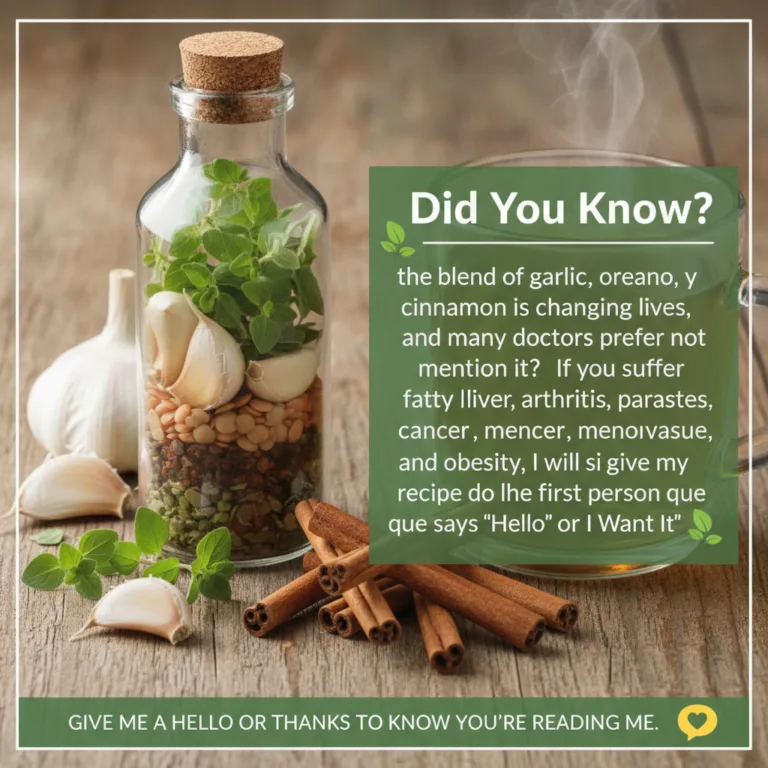
Why These Kitchen Staples Matter for Your Well-being
In our quest for health, it’s easy to get swept up in the latest trends and pricey supplements. Yet, for centuries, cultures around the world have relied on everyday herbs and spices not just for flavor, but for their profound health benefits. Garlic, oregano, and cinnamon are prime examples of this ancient wisdom.
Many people know these as flavor enhancers, but their roles extend far beyond taste. They’re brimming with bioactive compounds that may support various bodily functions, from immune defense to healthy blood sugar balance. Overlooking them means missing out on an easy, delicious, and natural way to elevate your health. People are increasingly seeking natural, accessible ways to boost their vitality and prevent common ailments, making these kitchen heroes more relevant than ever.
The Powerful Trio: Unpacking Their Wellness Secrets
Let’s dive into the individual superpowers of each of these amazing ingredients.
Garlic: The Pungent Protector
Often considered a cornerstone of healthy cooking, garlic (Allium sativum) is much more than a flavor bomb. Its distinctive aroma and taste come from sulfur compounds, most notably allicin, which is formed when garlic is crushed or chopped.
- Traditional Use: For thousands of years, garlic has been revered in traditional medicine systems worldwide. It was commonly used to fight off colds and flu, ward off infections, and even support heart health.
- Modern Understanding: Research suggests that allicin and other sulfur compounds in garlic may contribute to its potential benefits. These include antioxidant properties, which help protect cells from damage, and immune-modulating effects, potentially boosting the body’s natural defenses. Some studies also indicate a role in supporting cardiovascular health by helping to maintain healthy blood pressure and cholesterol levels already within a normal range.
Oregano: The Mediterranean Marvel
Beyond its beloved place in Italian and Greek cuisine, oregano (Origanum vulgare) is a powerhouse herb with a long history of medicinal use. It’s particularly rich in potent phenolic compounds like carvacrol and thymol.
- Traditional Use: Historically, oregano was used to soothe respiratory discomfort, aid digestion, and as a general tonic for well-being. It was also applied topically for skin issues.
- Modern Understanding: The compounds carvacrol and thymol are known for their strong antioxidant properties, helping to combat oxidative stress in the body. Research suggests that oregano may possess anti-inflammatory qualities and could offer antimicrobial support, which might be why it was traditionally used for various minor ailments. It’s a wonderful herb to include for overall vitality and immune support.
Cinnamon: The Sweet Spice of Health
This warming spice, derived from the bark of cinnamon trees (Cinnamomum species), is a beloved flavor in both sweet and savory dishes. Its primary active compound is cinnamaldehyde.
- Traditional Use: Ancient Egyptians used cinnamon for embalming, while in traditional Chinese and Ayurvedic medicine, it was valued for its warming properties, aiding digestion, and balancing energy. It was also used to help regulate blood sugar.
- Modern Understanding: Cinnamaldehyde is recognized for its potential antioxidant and anti-inflammatory effects. Perhaps its most well-researched benefit is its potential role in blood sugar management; some studies suggest that cinnamon may help improve insulin sensitivity and lower blood sugar levels, especially after meals, in individuals already within a normal range. It can be a wonderful addition to a balanced diet for metabolic support.
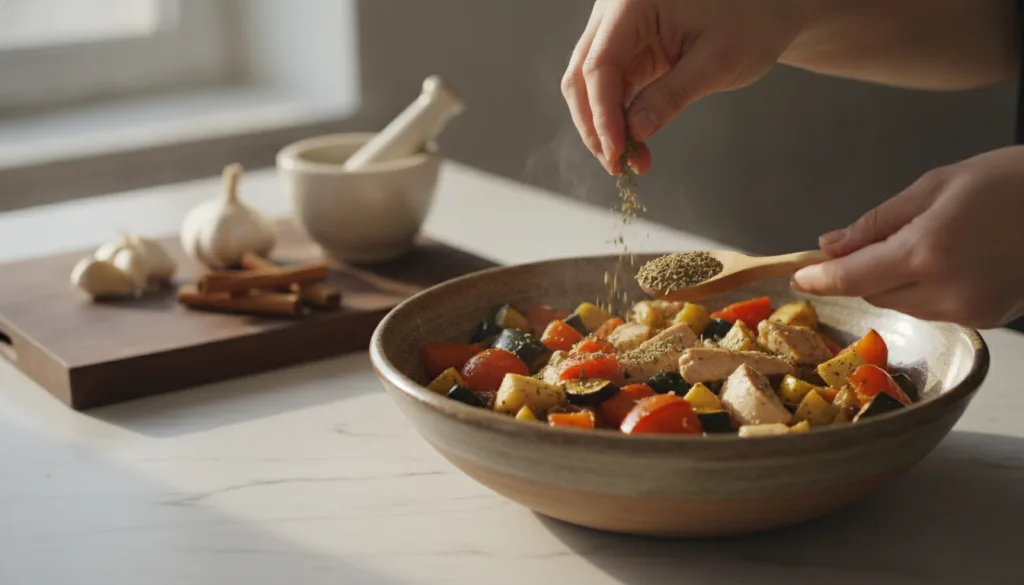
Practical Guide: Incorporating Garlic, Oregano, and Cinnamon Daily
Making these wellness powerhouses a part of your daily routine is easier than you think!
For Garlic:
- Chop and Add: Crush or finely chop fresh garlic and add it to stir-fries, soups, stews, pasta sauces, or salad dressings. Let it sit for 5-10 minutes after chopping to allow allicin to form before cooking.
- Roast It: Roasting whole garlic cloves mellows their flavor and makes them spreadable, perfect for toast or mashed potatoes.
- Infused Oils: Make your own garlic-infused olive oil (store in the refrigerator and use within a few days).
For Oregano:
- Dried or Fresh: Use dried oregano in Italian, Greek, and Mexican dishes. Fresh oregano is wonderful in salads, marinades, and as a garnish for grilled meats or vegetables.
- Herbal Tea: A simple oregano tea can be soothing. Steep a teaspoon of dried oregano in hot water for 5-10 minutes.
- Dressings & Marinades: A pinch of oregano adds depth to vinaigrettes and meat marinades.
For Cinnamon:
- Sweet Touches: Sprinkle ground cinnamon on oatmeal, yogurt, fruit, or into your morning coffee or smoothie.
- Savory Dishes: Don’t limit cinnamon to sweets! It adds a warm, aromatic note to chili, stews, curries, and roasted root vegetables.
- Cinnamon Water: Steep a cinnamon stick in warm water overnight for a refreshing and subtly flavored drink.
Healthy Combinations:
These three often complement each other beautifully. Imagine a spaghetti sauce with garlic and oregano, or roasted sweet potatoes seasoned with a touch of cinnamon and garlic. Experiment and find your favorite pairings!
Safety & Precautions
While generally safe for most people in culinary amounts, it’s always wise to be aware of potential considerations:
- Garlic: Large amounts of raw garlic can cause digestive upset for some. If you are on blood-thinning medication, consult your doctor as garlic may have mild anticoagulant properties.
- Oregano: High doses of oregano oil are very potent and should be used with caution, always diluted, and under professional guidance. Culinary amounts of the herb are generally safe.
- Cinnamon: There are two main types: Ceylon (true) cinnamon and Cassia cinnamon. Cassia cinnamon contains higher levels of coumarin, which can be harmful to the liver in very large doses over time, especially for sensitive individuals. Ceylon cinnamon has much lower coumarin levels and is generally preferred for regular, larger consumption. If you’re using cinnamon daily, especially in significant amounts, opt for Ceylon cinnamon. If you have existing liver conditions or are on blood-thinning medication, consult your healthcare provider.
- Pregnancy & Existing Conditions: As with any dietary changes or increased intake of concentrated herbs, pregnant or breastfeeding individuals, and those with existing medical conditions or taking medications, should consult their healthcare professional.
- Allergies: While rare, allergic reactions to these spices can occur.
Key Takeaways
- Garlic, oregano, and cinnamon are everyday spices with a rich history of both culinary and traditional medicinal use.
- They contain potent bioactive compounds like allicin (garlic), carvacrol and thymol (oregano), and cinnamaldehyde (cinnamon).
- These compounds may offer antioxidant, anti-inflammatory, immune-supporting, and metabolic benefits.
- Easily incorporate them into your daily cooking through various dishes, drinks, and snacks.
- Be mindful of potential interactions or sensitivities, especially with concentrated forms or if you have specific health conditions.
FAQ
Q: Can I get the same benefits from supplements?
While supplements exist, incorporating whole foods and spices into your diet offers a synergistic effect of all their compounds, not just isolated ones. It’s often the most natural and enjoyable way to boost your wellness. Always consult a healthcare professional before starting any new supplement.
Q: Are organic spices better?
Organic spices are grown without synthetic pesticides and fertilizers, which some people prefer. While both organic and conventional spices offer benefits, choosing organic can be a personal preference for purity and environmental reasons.
Q: How much should I consume daily to see benefits?
There’s no single recommended daily amount, as benefits come from consistent, regular culinary use. A few cloves of garlic a day, a teaspoon of dried oregano in your cooking, or a sprinkle of cinnamon on your oatmeal are good starting points. Listen to your body and enjoy them as part of a balanced diet.
Q: What’s the difference between Cassia and Ceylon cinnamon?
Cassia cinnamon is more common and affordable, with a stronger, spicier flavor, but contains higher levels of coumarin. Ceylon cinnamon, often called “true cinnamon,” has a milder, sweeter flavor and very low coumarin levels, making it a safer choice for daily or higher consumption.
Related Reading
- Boosting Your Immune System Naturally with Food
- The Power of Anti-Inflammatory Herbs and Spices
- Healthy Aging: Foods to Support Vitality as You Grow Older
- Understanding Your Gut: Natural Ways to Support Digestive Wellness