Every gardener dreams of a vibrant, productive garden, brimming with healthy plants and bursting with life. But often, we find ourselves battling dry soil, stubborn weeds, and plants that just don’t seem to thrive. What if we told you there’s a simple, natural solution that can revolutionize your garden? The secret, my friends, is mulch!
Mulch is a game-changer, and once you understand its magic, you’ll wonder how you ever gardened without it. Let’s dive into the incredible benefits of this humble garden hero.
What Exactly Is Mulch?
Simply put, mulch is any material spread over the surface of the soil as a covering. It can be organic, like straw, wood chips, leaves, or compost, or inorganic, such as stones or plastic sheeting. For healthy, living gardens, we always recommend organic mulches as they decompose over time, enriching your soil.
The Incredible Benefits of Mulching Your Garden
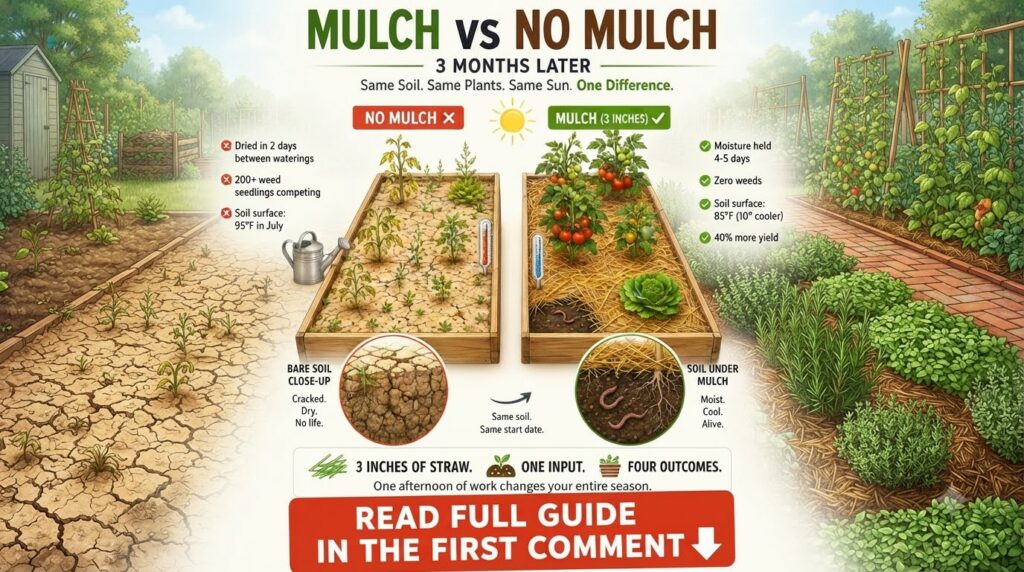
Imagine a clear visual comparison: a garden without mulch, struggling against the elements, versus a garden thriving under a protective layer. That’s the power of mulch in action, and here’s why it’s essential for every gardener:
1. Moisture Retention: Say Goodbye to Dry Soil
One of mulch’s most crucial roles is conserving soil moisture. A layer of mulch acts like a blanket, reducing evaporation from the soil surface. This means you’ll water less frequently, saving both time and precious resources, especially during hot, dry spells. Your plants will thank you for the consistent moisture!
2. Weed Suppression: Reclaim Your Garden Beds
Tired of endless weeding? Mulch is your best friend! A thick layer blocks sunlight from reaching weed seeds, preventing them from germinating. For any persistent weeds that do manage to sprout, they’ll be weaker and much easier to pull out. Less weeding means more time to enjoy your beautiful garden.
3. Soil Health: Feeding the Earth
Organic mulches slowly break down, adding valuable organic matter to your soil. This decomposition improves soil structure, aeration, and drainage, while also feeding beneficial microorganisms and earthworms. Healthy soil is the foundation of healthy plants, making them more resilient to pests and diseases.
4. Temperature Regulation: Protecting Roots
Mulch insulates the soil, keeping it cooler in the summer and warmer in the winter. This protection from extreme temperature fluctuations is vital for delicate plant roots, preventing stress and promoting steady growth throughout the seasons.
5. Erosion Control: Keeping Soil in Place
On slopes or in areas prone to heavy rain, mulch helps prevent soil erosion by absorbing the impact of raindrops and holding the soil particles together. This keeps your valuable topsoil right where it belongs – in your garden beds.
Choosing Your Mulch: Why Straw is a Garden Favorite
While there are many types of mulch available, simple straw mulch is a fantastic, readily available, and affordable option, especially for vegetable gardens and annual beds. It decomposes relatively quickly, adding nutrients, and is easy to spread. Other popular organic mulches include:
- Wood Chips: Great for perennial beds, trees, and shrubs; breaks down slower.
- Compost: Nutrient-rich, excellent for soil improvement, but can be pricier.
- Shredded Leaves: Free, readily available, and fantastic for fall mulching.
- Grass Clippings: Use sparingly in thin layers to avoid compaction and odors.
How to Apply Mulch for Best Results
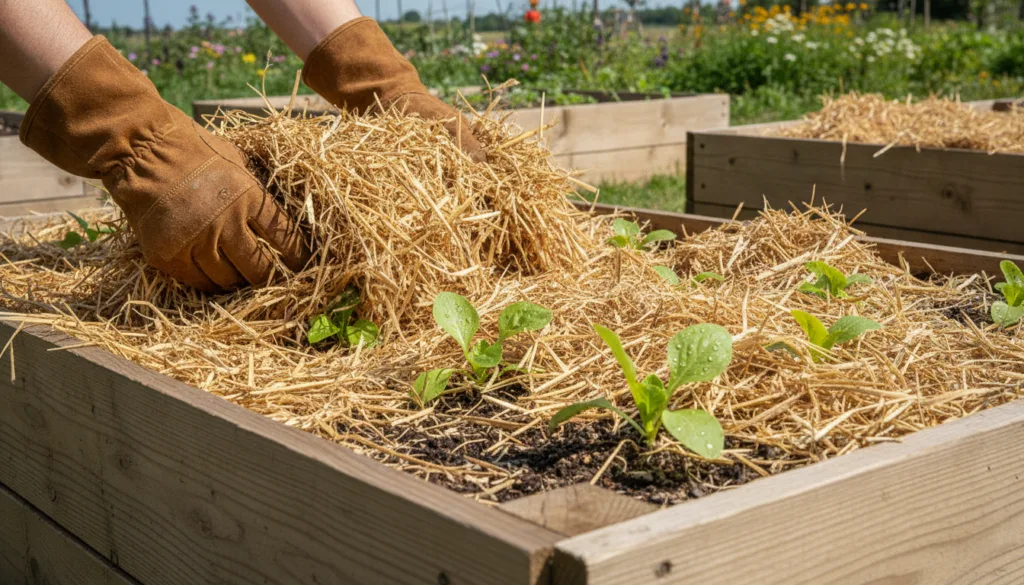
- Prepare Your Bed: First, weed the area thoroughly and water your plants.
- Determine Depth: Aim for a layer 2-4 inches deep. For straw, 3 inches is ideal. Avoid piling mulch too thickly directly against plant stems or tree trunks, as this can lead to rot and pest issues. Leave a small gap.
- Spread Evenly: Use a rake or your hands to spread the mulch evenly across the soil surface.
- Replenish as Needed: Organic mulches break down over time, so you’ll need to replenish them annually or bi-annually to maintain the desired depth and benefits.
Unlock Your Garden’s Full Potential!
Mulching is one of the easiest and most effective ways to create a healthy, low-maintenance, and productive garden. By implementing this simple practice, you’ll conserve water, reduce weeds, improve soil health, and give your plants the best environment to thrive.
Ready to see the difference mulch can make in your garden? Start with a simple layer of straw or your preferred organic material, and watch your garden flourish like never before! Share your mulching success stories and tips with us in the comments below – we’d love to hear from you!