When you hear ‘collagen,’ what’s the first thing that comes to mind? Often, it’s glowing skin, fewer wrinkles, and a youthful complexion. While collagen certainly plays a starring role in our skin’s health and appearance, its true impact on healthy aging goes far deeper than just surface-level beauty. What if everything you thought you knew about collagen was just the beginning?
As we navigate the journey of aging, understanding the multifaceted role of collagen can be a game-changer for our overall well-being. It’s not just about looking good; it’s about feeling good, moving well, and supporting your body’s vital functions from the inside out. Let’s uncover the surprising facts about collagen that can genuinely support your healthy aging journey.
What Exactly is Collagen, Anyway?
Think of collagen as the body’s natural scaffolding – the most abundant protein in our bodies, making up about one-third of our total protein content. It’s the primary structural component of connective tissues, including skin, bones, muscles, tendons, and cartilage. It provides strength, elasticity, and structure, essentially holding everything together.
There are at least 28 different types of collagen, but types I, II, and III are the most common. Type I is found throughout the body, providing structure to skin, bones, tendons, and ligaments. Type II is mainly found in cartilage, while Type III is prevalent in skin, muscles, and blood vessels.
The Unseen Impacts: Beyond Skin and Hair
While collagen’s role in maintaining youthful skin and strong hair and nails is well-known, its contributions to other vital body functions are often overlooked. Here are some of the hidden truths about collagen for ageless well-being:
1. Supporting Joint Comfort and Mobility
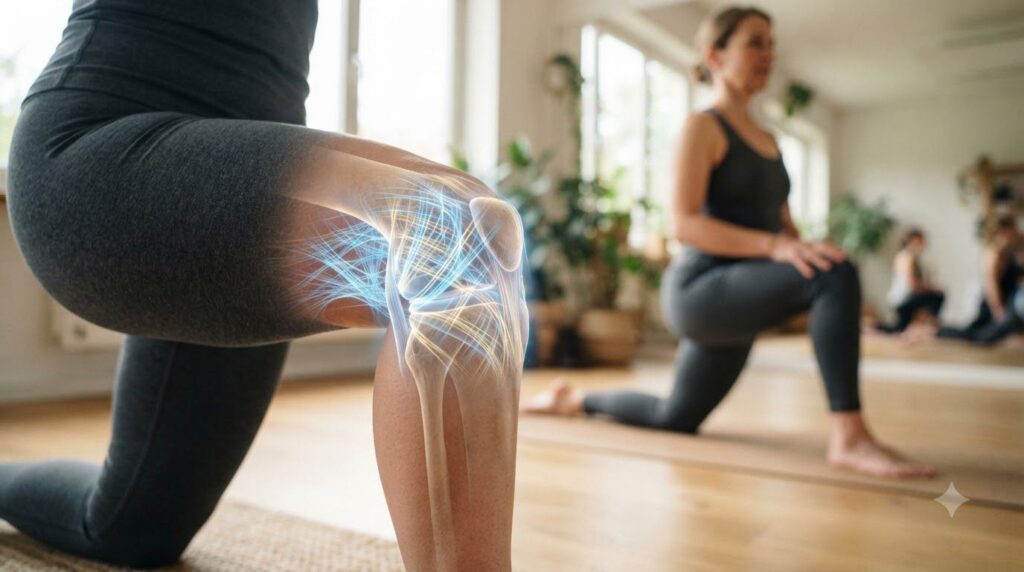
As we age, the cartilage that cushions our joints can start to wear down, leading to discomfort and reduced flexibility. Collagen, particularly Type II, is a major component of this cartilage. Supplementing with collagen may help to support the integrity of your cartilage, potentially leading to improved joint comfort and mobility. It’s like giving your joints a little extra cushion and lubrication, helping you stay active and agile.
2. Fortifying Bone Density
Our bones are not just made of calcium; they are also composed of a collagen matrix that provides structure and flexibility, making them less brittle. As we age, both bone density and collagen levels in bones can decline. Regular intake of collagen may help support bone mineral density, offering a foundational element for strong, resilient bones and helping to maintain skeletal health.
3. Supporting Gut Health and Digestion
The lining of our digestive tract is rich in collagen. A healthy gut lining is crucial for proper digestion and nutrient absorption. Collagen may play a role in supporting the integrity of this lining, which can be beneficial for overall gut health and may help soothe and protect the digestive system. A happy gut often means a happier you!
4. Maintaining Muscle Mass
Collagen is a significant component of muscle tissue, making up about 1-10% of total muscle mass. It provides structure to muscles and tendons. As we age, we naturally experience sarcopenia, the loss of muscle mass. While protein intake is key, research suggests that collagen supplementation, particularly when combined with resistance exercise, may help support muscle strength and growth, contributing to a more robust physique.
5. Strengthening Hair and Nails
While often grouped with skin, the benefits for hair and nails are distinct and significant. Collagen provides the amino acids needed to build keratin, the protein that makes up hair and nails. Supporting collagen levels can contribute to stronger nails that are less prone to breaking and may promote healthier, more lustrous hair growth.
Why Does Collagen Decline with Age?
Unfortunately, our body’s natural collagen production begins to decline in our mid-20s, slowing down by about 1% each year. Factors like sun exposure, smoking, poor diet, excessive sugar intake, and stress can accelerate this decline, leading to visible signs of aging and internal structural weakening.
How Can You Support Your Body’s Collagen?
The good news is there are several ways to help support your body’s natural collagen production and slow its breakdown:
- Dietary Sources: Include collagen-rich foods like bone broth, fish with skin, and certain cuts of meat. Foods rich in Vitamin C (citrus fruits, berries, bell peppers), zinc (nuts, beans, red meat), and copper (shellfish, nuts, seeds) are also crucial as they are co-factors in collagen synthesis.
- Collagen Supplements: High-quality hydrolyzed collagen peptides are easily absorbed by the body. They may offer a convenient way to boost your collagen intake and support various bodily functions. Look for products that are third-party tested and from reputable sources.
- Lifestyle Choices: Protect your skin from excessive sun exposure, avoid smoking, manage stress effectively, and ensure you get adequate sleep. These habits all contribute to preserving your body’s natural collagen stores.

Embrace Ageless Well-being with Collagen
Collagen is truly a cornerstone of healthy aging, contributing to much more than just a youthful glow. By understanding and supporting its vital roles in joint health, bone strength, gut integrity, and muscle maintenance, you can take a more holistic approach to your well-being. It’s about empowering your body to feel strong, flexible, and vibrant at every stage of life.
Remember, while natural remedies and lifestyle changes can offer wonderful support, always consult with a healthcare professional before making significant changes to your diet or supplement regimen, especially if you have underlying health conditions.