Gardening is all about nurturing, and just like us, our plants thrive with the right nutrition. If you’re looking for a simple, organic way to give your garden a fantastic boost, especially for those root vegetables and flowering plants, you’re in for a treat! Today, we’re diving into the wonders of Bone Meal Water – a natural tonic that can help transform your garden.
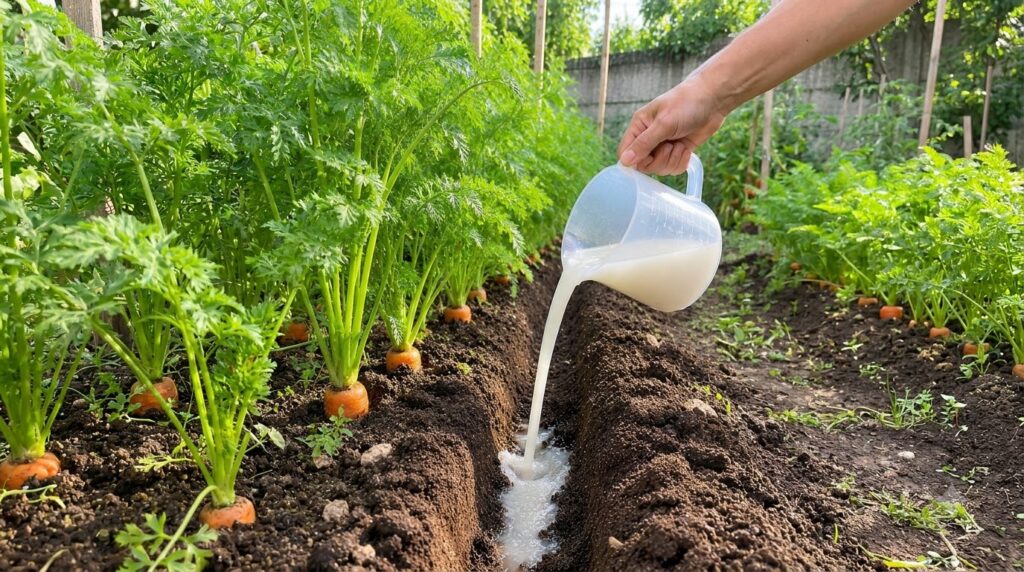
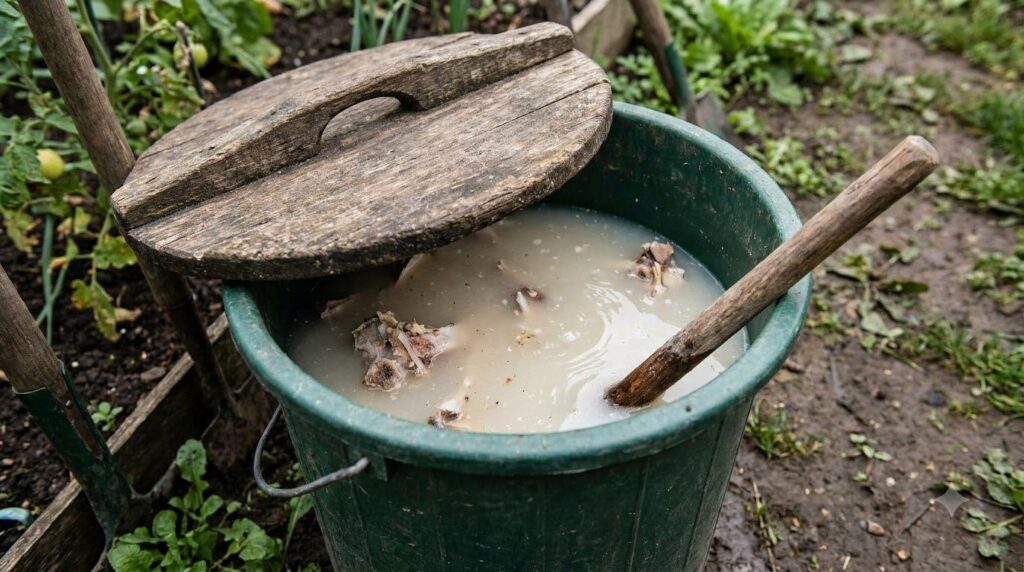
You might have seen gardeners pouring nourishing liquids into their plant beds, much like the image below, which perfectly captures the essence of providing your plants with a vital, milky boost. Bone meal water is one such incredible solution, packed with essential nutrients to encourage strong growth and abundant harvests.
What Exactly is Bone Meal?
Bone meal is a fantastic organic fertilizer made from finely ground animal bones, typically from cattle. It’s an excellent source of two primary nutrients that plants absolutely adore: phosphorus (P) and calcium (Ca).
- Phosphorus: This is a superstar for root development, flowering, and fruiting. It’s what helps plants establish strong foundations and produce those beautiful blooms and tasty harvests you dream of.
- Calcium: Essential for strong cell walls and overall plant structure, calcium helps plants grow robust and resist diseases. It also plays a crucial role in nutrient uptake.
Using bone meal in a water solution makes these nutrients more readily available for your plants to absorb, giving them a quicker and more effective boost.
Benefits of Using Bone Meal Water in Your Garden
Incorporating this simple tonic into your gardening routine can lead to some incredible improvements:
- Stronger Root Systems: The high phosphorus content encourages vigorous root growth, making your plants more resilient and better able to absorb water and nutrients from the soil.
- Bountiful Blooms and Fruits: For flowering plants and fruit-bearing vegetables, bone meal water can significantly enhance flower production and improve the quality and quantity of your harvests. Think bigger, sweeter carrots and more vibrant flowers!
- Improved Soil Health: As an organic amendment, bone meal slowly releases nutrients, improving the overall fertility and structure of your soil over time.
- Natural and Organic: If you’re committed to organic gardening, bone meal is a perfect choice, providing essential nutrients without synthetic chemicals.
- Reduced Plant Stress: Healthy, well-fed plants are better equipped to handle environmental stresses, pests, and diseases.
How to Make Your Own Bone Meal Water
Making bone meal water is incredibly easy! Here’s how you can prepare this nourishing tonic:
What You’ll Need:
- 1 cup of bone meal
- 5 gallons of water (rainwater or dechlorinated tap water is best)
- A large bucket or container with a lid
- A stirring stick
Step-by-Step Instructions:
- Combine Ingredients: Pour the bone meal into your large bucket.
- Add Water: Slowly add the 5 gallons of water, stirring as you go to help the bone meal begin to mix.
- Steep: Cover the bucket with a lid and let the mixture sit for 1-2 weeks. Stir it every few days to ensure the nutrients are dissolving well. You’ll notice the water becoming somewhat cloudy or milky – this is a good sign!
- Strain (Optional but Recommended): After steeping, you can strain the liquid to remove any undissolved particles. This makes it easier to pour and ensures no clogs if you’re using a watering can with a fine spout. You can add the solid residue to your compost pile!
How to Use Bone Meal Water in Your Garden
Once your bone meal water is ready, applying it is straightforward:
- For Transplants: Before planting new seedlings or transplants, drench the planting hole with a diluted bone meal water solution (e.g., 1 part bone meal water to 2 parts plain water). This gives roots an immediate boost.
- For Established Plants: Use it as a soil drench around the base of established plants. Apply every 3-4 weeks during their active growing and flowering/fruiting stages.
- Best for Root Vegetables and Flowers: This tonic is particularly beneficial for plants that need strong root development (like carrots, potatoes, radishes) and those known for abundant blooms (roses, tomatoes, peppers).
- Avoid Over-Application: While natural, too much of a good thing can still be overwhelming. Stick to the recommended application frequency.
Tips for Success
- Test Your Soil: If you’re unsure about your soil’s phosphorus levels, a soil test can give you precise recommendations.
- Mix Well: Always stir your bone meal water before application, as some particles may settle at the bottom.
- Apply in the Morning or Evening: To minimize evaporation and allow the plants to absorb nutrients more effectively, water in the cooler parts of the day.
- Complement with Other Fertilizers: While bone meal is rich in phosphorus and calcium, it’s low in nitrogen and potassium. For a balanced diet, consider complementing it with compost or other organic fertilizers.
Giving your plants the proper nutrition doesn’t have to be complicated or expensive. Bone meal water is a fantastic, natural solution that can help you achieve that vibrant, healthy garden you’ve always wanted. It’s a simple act of love for your plants that truly pays off!