Don’t hang up your gardening gloves just yet! While many gardeners are enjoying their early summer bounty, July offers a fantastic opportunity to extend your harvest well into the autumn months. Planting in July can be incredibly rewarding, allowing you to enjoy fresh, homegrown vegetables even as the days shorten.
Many popular vegetables thrive when sown or planted mid-summer, making the most of the remaining warm weather and often avoiding the peak pest cycles of spring. If you’ve been wondering what to plant now, you’re in luck! We’ve put together a guide to some of the best veggies that still have plenty of time to mature before the first frost.
Top Veggies to Plant in July for a Bountiful Autumn
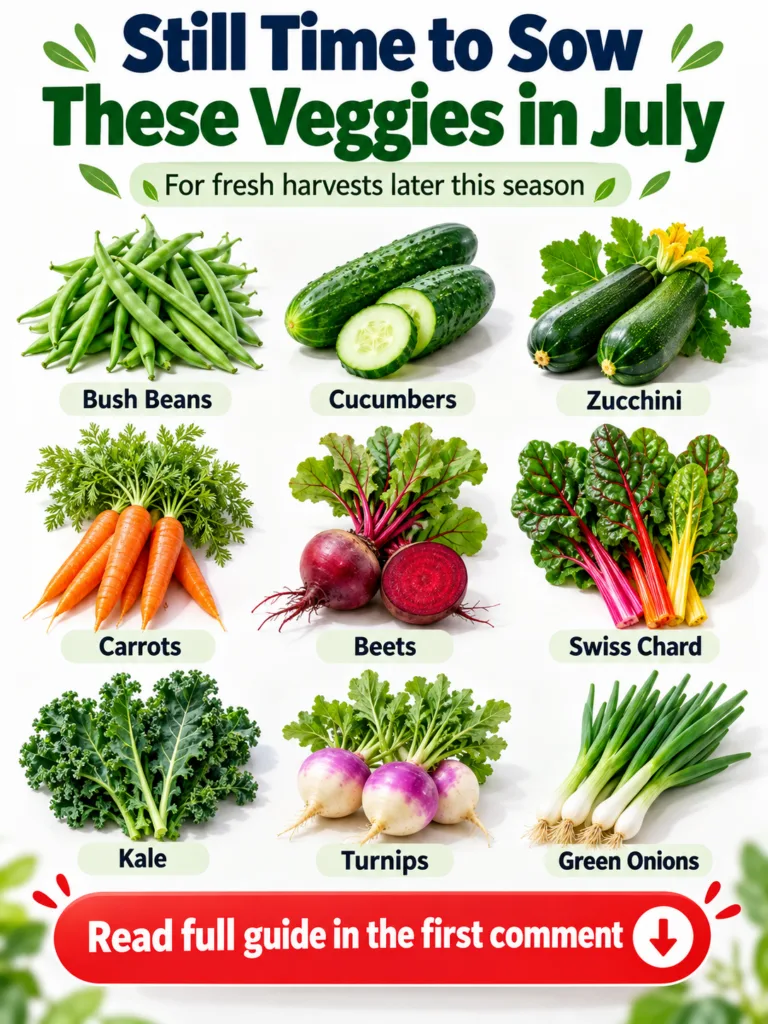
Here are some of our favorite vegetables that will thrive when planted in July, ensuring a continuous supply of fresh produce:
1. Bush Beans
- Why July: Bush beans are fast-growing and love warm soil. A July planting means you’ll be harvesting fresh, tender beans in late summer to early fall.
- Tip: Direct sow seeds 1 inch deep, 3-4 inches apart, in rows 18-24 inches apart. Provide consistent moisture.
- Harvest: Typically ready in 50-60 days.
2. Cucumbers
- Why July: These heat-loving vines can still produce a great crop if given enough time before cooler weather sets in. Choose bush varieties for smaller spaces or quick-maturing types.
- Tip: Direct sow seeds or transplant seedlings. Ensure plenty of sunlight and consistent watering, especially once fruits start to form. Support vining types with a trellis.
- Harvest: Ready in about 50-70 days, depending on the variety.
3. Zucchini
- Why July: Like cucumbers, zucchini thrives in warmth and can go from seed to harvest quickly. A mid-summer planting can help you avoid the dreaded squash vine borer that might attack earlier crops.
- Tip: Direct sow seeds 1 inch deep in hills or rows, spacing plants 3-4 feet apart. Keep well-watered.
- Harvest: Ready in 45-60 days.
4. Carrots
- Why July: For a fall harvest, July is an ideal time to plant carrots. The cooler soil temperatures as autumn approaches can even sweeten their flavor.
- Tip: Direct sow seeds thinly in well-drained, loose soil. Keep the soil consistently moist until germination, which can take 1-3 weeks. Thin seedlings to 2-4 inches apart.
- Harvest: Ready in 60-75 days.
5. Beets
- Why July: Beets are fairly quick to mature and can tolerate some shade as they grow, making them great for succession planting in July for a fall crop. Both the roots and greens are delicious!
- Tip: Direct sow seeds 1 inch deep, 2-4 inches apart. Keep soil moist.
- Harvest: Greens in 35-45 days, roots in 50-65 days.
6. Swiss Chard
- Why July: Swiss chard is a resilient leafy green that can handle both warmer temperatures and cooler fall weather. It’s a fantastic choice for continuous harvesting.
- Tip: Direct sow seeds 1/2 inch deep, 4-6 inches apart. Can also be started indoors and transplanted.
- Harvest: Ready in 50-60 days, or harvest outer leaves as needed earlier.
7. Kale
- Why July: Another leafy green powerhouse, kale planted in July will thrive as the weather cools, often becoming sweeter after a light frost.
- Tip: Direct sow seeds 1/2 inch deep, 8-12 inches apart, or transplant seedlings. Likes rich, well-draining soil and consistent moisture.
- Harvest: Ready in 55-75 days, or harvest outer leaves when young.
8. Turnips
- Why July: Turnips are a quick-growing root crop that can be planted in July for both their delicious roots and their nutritious greens.
- Tip: Direct sow seeds 1/2 inch deep, 2-4 inches apart. Keep well-watered.
- Harvest: Greens in 30-40 days, roots in 50-60 days.
9. Green Onions (Scallions)
- Why July: Green onions are incredibly fast-growing and can be planted every few weeks for a continuous supply. They’re perfect for adding a fresh kick to your meals.
- Tip: Direct sow seeds 1/4 inch deep in a sunny spot, or plant sets/small bulbs.
- Harvest: Ready in 60-80 days from seed, much faster from sets.
Essential Tips for Successful July Planting
To ensure your late-season garden thrives, keep these tips in mind:
- Prepare Your Soil: Ensure your soil is rich in organic matter and well-draining. Adding compost before planting will give your new crops a boost.
- Water Wisely: July can be hot! New plantings need consistent moisture to establish. Water deeply in the early morning or late evening to minimize evaporation.
- Consider Shade: For heat-sensitive greens like lettuce or spinach (if you dare!), providing some afternoon shade can prevent bolting and extend their growing season.
- Pest Patrol: Keep an eye out for pests. Early detection and organic pest control methods can save your crops.
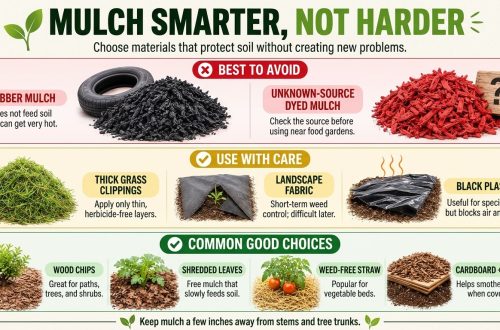
- Mulch, Mulch, Mulch: A layer of mulch helps retain soil moisture, regulate soil temperature, and suppress weeds – all crucial for a successful July garden.
Reap the Rewards: Benefits of a Late-Season Garden
Planting in July isn’t just about extending your harvest; it brings several other advantages:
- Freshness Guaranteed: Enjoy the unparalleled taste of freshly picked vegetables well into autumn.
- Beat the Heat (for some crops): Certain crops, like leafy greens, actually prefer the cooler temperatures of late summer and early fall, which can improve their flavor and growth.
- Continuous Supply: Succession planting ensures you have a steady stream of produce, preventing gluts and gaps in your harvest.
So, don’t let summer pass you by without adding a few more delicious vegetables to your garden. July is a fantastic time to get creative with your planting and look forward to a bountiful late-season harvest. Happy gardening!