Have you ever wondered what happens to your food after you swallow it? How long does it actually take for a juicy watermelon to turn into energy, or for a hearty pork meal to be fully processed? Understanding your body’s digestive timeline is more than just a fun fact; it’s a valuable tool for optimizing your energy levels, managing hunger, and supporting overall digestive health.
In this article, we’ll take a deep dive into the fascinating world of food digestion. You’ll learn about the different stages your food goes through, what factors influence digestion speed, and how various common foods stack up on the digestive clock. Knowing these insights can empower you to make smarter meal choices and enhance your well-being.
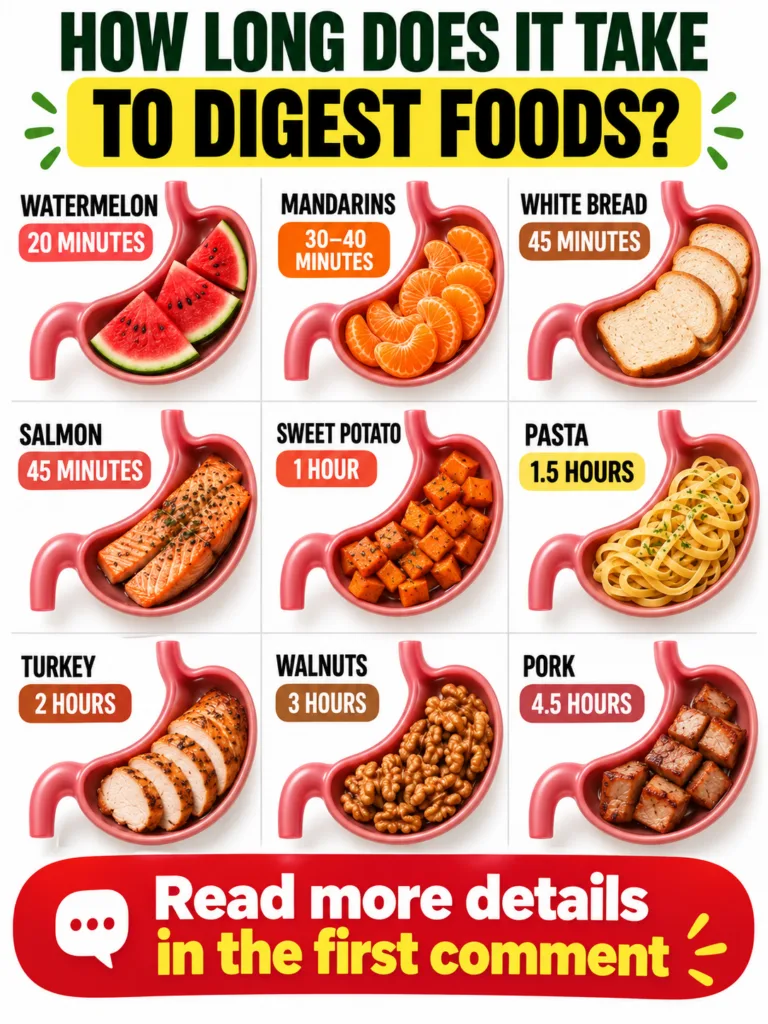
The Digestive Process Explained
Digestion is a complex and highly coordinated process that transforms the food you eat into nutrients your body can absorb and use for energy, growth, and repair. It begins the moment food enters your mouth and involves a series of mechanical and chemical breakdowns.
From Mouth to Absorption
- Mouth: Chewing mechanically breaks down food, while enzymes in saliva begin chemical digestion of carbohydrates.
- Esophagus: Food travels down this tube to the stomach.
- Stomach: Strong stomach acids and enzymes break down proteins. Food is churned into a semi-liquid mixture called chyme.
- Small Intestine: This is where most nutrient absorption occurs. Enzymes from the pancreas and bile from the liver further break down carbohydrates, fats, and proteins. The nutrients then pass into your bloodstream.
- Large Intestine: Undigested food and water move here. Water is absorbed, and waste products are compacted into stool.
- Rectum & Anus: Stool is stored and eventually eliminated from the body.
Factors Affecting Digestion Time
The speed at which your body digests food isn’t constant. Several factors play a significant role:
- Macronutrient Composition: Proteins and fats generally take longer to digest than carbohydrates. Foods high in fiber can also slow digestion.
- Cooking Method: Raw foods often take longer to digest than cooked foods because cooking helps break down some of the food’s structure.
- Hydration: Adequate water intake is crucial for efficient digestion. Dehydration can slow things down.
- Individual Metabolism: Everyone’s body is unique. Age, activity level, and metabolic rate can all affect how quickly you digest food.
- Stress Levels: Stress can significantly impact gut motility, sometimes speeding it up (diarrhea) or slowing it down (constipation).
Common Foods & Their Digestion Times
Here’s a look at how long some common foods typically take to digest. Keep in mind these are approximate times, and individual variations exist.
| Food | Main Macronutrients | Digestion Time (Approximate) | Best Benefit |
|---|---|---|---|
| Watermelon | Carbs, Water | 20-30 minutes | Hydration, Vitamins |
| Mandarins | Carbs, Fiber | 20-30 minutes | Vitamin C, Antioxidants |
| White Bread | Carbs | 1-2 hours | Quick energy (simple carbs) |
| Salmon | Protein, Healthy Fats | 1-2 hours | Omega-3s, Protein |
| Sweet Potato | Carbs, Fiber | 2-3 hours | Complex Carbs, Vitamins |
| Pasta | Carbs, Protein | 2-3 hours | Sustained energy |
| Turkey | Protein | 3-4 hours | Lean Protein, Amino Acids |
| Walnuts | Fats, Protein, Fiber | 2.5-4 hours | Heart-healthy fats, Antioxidants |
| Pork | Protein, Fats | 4-5 hours | Protein, B Vitamins |
Why Digestion Time Matters
Understanding these times can offer several practical benefits for your daily life:
- Energy Levels: Foods that digest quickly (like simple carbs) provide a rapid energy boost but can lead to a quick crash. Slower-digesting foods (complex carbs, proteins, fats) offer sustained energy.
- Satiety and Weight Management: Foods that take longer to digest tend to keep you feeling fuller for longer, which can be helpful for managing appetite and weight.
- Meal Timing: Knowing digestion times can help you time your meals around workouts, sleep, or important events to avoid discomfort or energy slumps.
- Gut Health: A balanced digestive process is key to a healthy gut microbiome and overall digestive comfort. Eating a variety of foods that digest at different rates supports this balance.
Practical Tips for Optimizing Your Digestion

Ready to give your digestive system some love? Try these simple tips:
- Chew Your Food Thoroughly: Digestion starts in the mouth! Proper chewing breaks down food, making it easier for your stomach and intestines to do their job.
- Stay Hydrated: Drink plenty of water throughout the day. Water helps break down food and move it through your digestive tract.
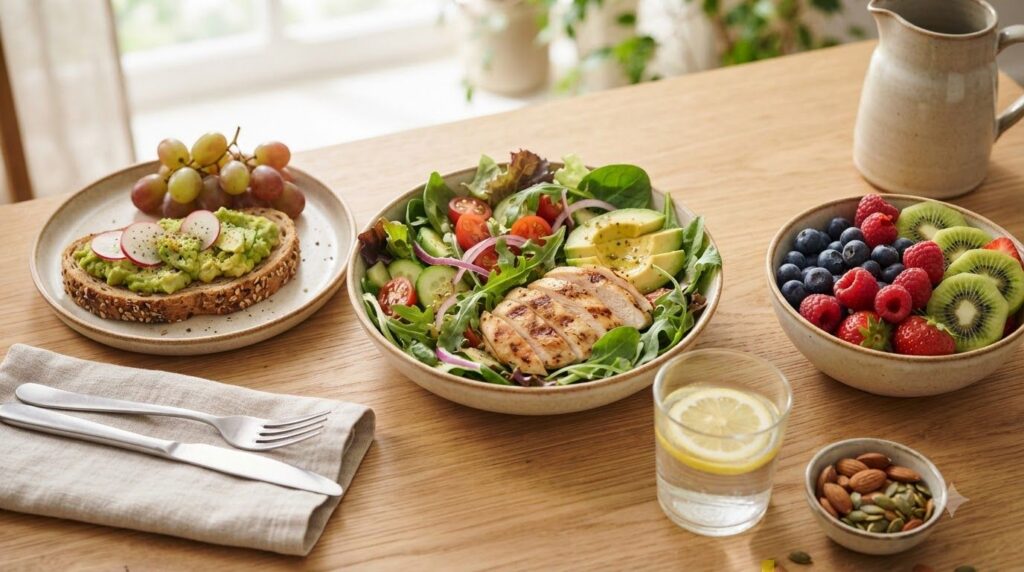
- Eat a Balanced Diet: Include a mix of fiber-rich fruits, vegetables, whole grains, lean proteins, and healthy fats. Variety is key.
- Don’t Rush Your Meals: Eat slowly and mindfully. This allows your body to register fullness and can prevent overeating.
- Limit Processed Foods: These foods often lack fiber and can be harder for your body to digest, sometimes leading to discomfort.
- Manage Stress: Practice relaxation techniques like meditation or deep breathing, as stress can significantly impact digestion.
- Be Mindful of Meal Timing: Avoid eating very heavy meals right before bed, as your body needs time to digest.
FAQs About Food Digestion
How long does the entire digestive process take?
From consumption to elimination, the entire process can take anywhere from 24 to 72 hours, depending on individual factors and the types of food eaten.
Why do some foods make me feel bloated?
Bloating can be caused by various factors, including gas production from certain foods (like beans or some vegetables), eating too quickly, or food sensitivities. Slower digestion or fermentation of certain carbohydrates can also contribute.
Is faster digestion always better?
Not necessarily. While very slow digestion can be uncomfortable, foods that digest too quickly might not provide sustained energy or satiety. A balanced digestion rate, where nutrients are absorbed efficiently and waste is eliminated regularly, is ideal.
Does cooking food affect digestion time?
Yes, cooking generally helps break down the cellular structure of food, making it easier and quicker to digest than raw versions of the same foods.
Can exercise improve digestion?
Moderate physical activity can stimulate muscle contractions in your intestines, helping food move through your digestive system more efficiently. However, intense exercise right after a meal can divert blood away from digestion, potentially slowing it down.
What are good foods for fast digestion?
Foods high in water and simple carbohydrates, like most fruits (berries, melon) and some leafy greens, tend to digest quickly.
What are good foods for slow digestion?
Foods rich in protein, healthy fats, and complex carbohydrates with fiber, such as lean meats, nuts, seeds, legumes, and whole grains, tend to digest more slowly, providing sustained energy and satiety.
Conclusion
Your digestive system is a marvel, constantly working to extract vital nutrients from the food you eat. By understanding the journey your food takes and the factors that influence its digestion time, you can make more informed choices that support your energy levels, maintain a healthy weight, and promote overall well-being.
Remember, everyone’s body is different, so listen to yours and adjust your eating habits accordingly. Start small, be consistent, and enjoy the benefits of a happy, healthy gut!
This content is for educational purposes only and should not be considered medical advice. Consult a qualified healthcare professional for personalized dietary recommendations.
Explore More Healthy Eating Content:
- High Protein Breakfast Ideas
- Best Foods for Gut Health
- Understanding Complex Carbs
- Healthy Snacking for Sustained Energy

