A truly healthy gut is fundamental to overall wellness, acting as a cornerstone for everything from your mood to the strength of your immune system. Understanding how to nurture this vital internal ecosystem can profoundly impact your daily vitality. Many of us know what a healthy gut feels like, but fewer are certain how to achieve and maintain it through diet.
This comprehensive guide dives into the essential foods that actively work to replenish beneficial bacteria, feed your gut microbiome, and repair your digestive lining. By focusing on these three pillars—replenishing with probiotics, feeding with prebiotics, and repairing with gut-soothing nutrients—you can unlock the secrets to a healthier, happier gut.
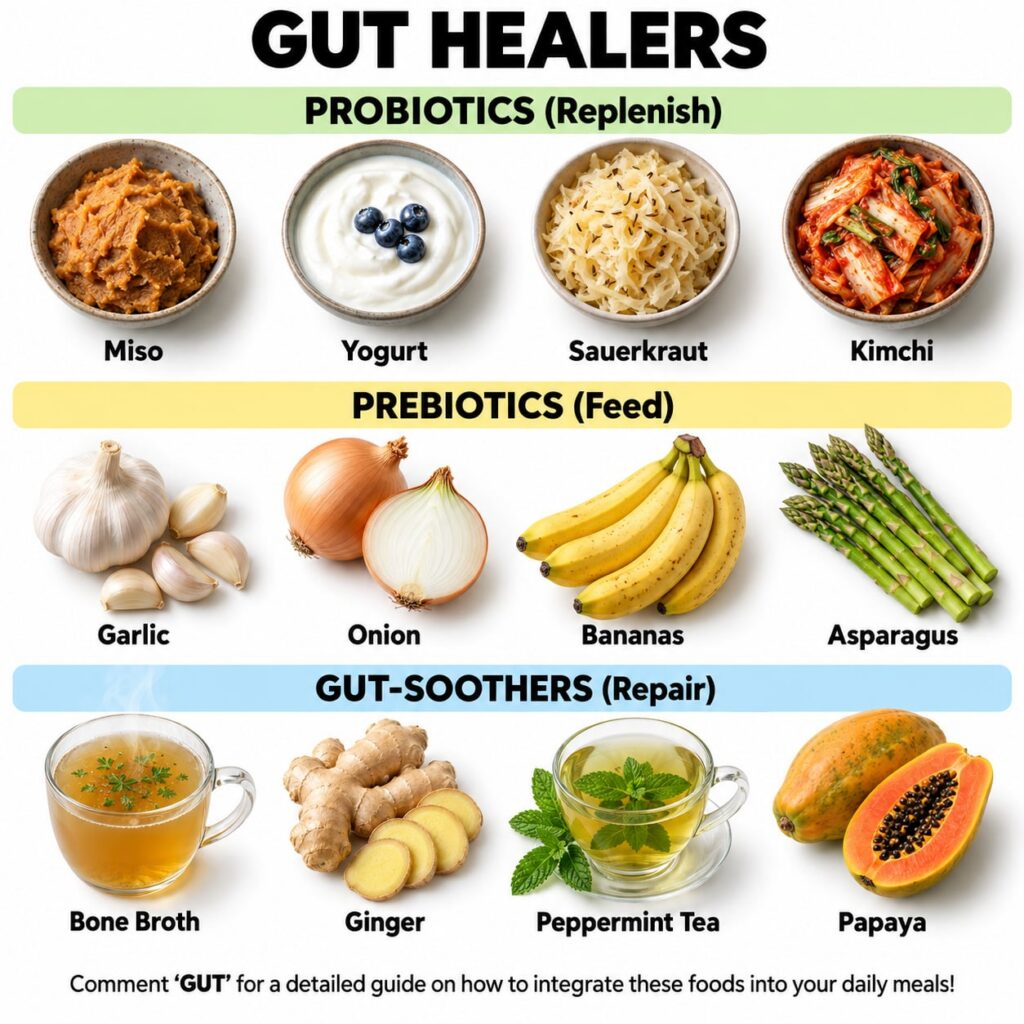
Replenish Your Gut: The Power of Probiotics
Probiotics are live microorganisms, often referred to as “good bacteria,” that, when consumed in adequate amounts, can confer a health benefit to the host. They play a critical role in maintaining a balanced gut microbiome, aiding digestion, and supporting immune function.
Incorporating probiotic-rich foods into your diet is a delicious way to help replenish your gut’s beneficial bacteria. These foods undergo fermentation, a process that creates these helpful microbes.
- Yogurt and Kefir: These dairy products are perhaps the most well-known sources of probiotics. Look for varieties labeled “live and active cultures” and aim for plain, unsweetened options to avoid added sugars.
- Kimchi and Sauerkraut: Fermented vegetables like spicy Korean kimchi and tangy German sauerkraut are packed with beneficial bacteria. They also offer a rich source of vitamins and fiber.
- Kombucha: This fizzy, fermented tea is a popular beverage that contains a variety of beneficial yeasts and bacteria. Opt for low-sugar versions to maximize health benefits.
- Tempeh: A fermented soybean product, tempeh is not only a great source of probiotics but also a complete protein, making it an excellent plant-based option.
Regular consumption of these foods can contribute to a more diverse and resilient gut microbiome, which is essential for healthy digestion and overall well-being.
Feed Your Gut Microbiome: Embrace Prebiotics
While probiotics introduce beneficial bacteria, prebiotics are the non-digestible fiber compounds that act as food for these good bacteria already residing in your gut. Think of prebiotics as the fertilizer that helps your internal garden flourish. By feeding the good bacteria, prebiotics help them multiply and thrive, further enhancing gut health.
Many common fruits, vegetables, and whole grains are excellent sources of prebiotics:
- Garlic and Onions: These kitchen staples are not just for flavor; they are potent sources of prebiotics like inulin and fructooligosaccharides (FOS).
- Leeks and Asparagus: Related to onions, leeks and asparagus also provide a good amount of inulin, which supports gut flora.
- Bananas: Especially slightly green, unripe bananas, contain resistant starch that acts as a prebiotic.
- Oats: A fantastic breakfast staple, oats contain beta-glucan fiber, a powerful prebiotic that also has heart-health benefits.
- Apples: The pectin in apples serves as a prebiotic, supporting the growth of beneficial gut bacteria.
Integrating a variety of prebiotic-rich foods into your meals can help ensure your gut microbes have the fuel they need to keep your digestive system running smoothly.
Repair and Soothe Your Gut Lining
Beyond replenishing and feeding, it’s crucial to support the integrity of your gut lining. A healthy gut lining acts as a protective barrier, preventing unwanted substances from entering your bloodstream. Certain foods contain compounds that can help soothe inflammation and support the repair of this delicate barrier.
Focus on incorporating foods known for their anti-inflammatory and restorative properties:
- Bone Broth: Rich in collagen, gelatin, and amino acids like glutamine, bone broth is often praised for its ability to support gut lining integrity and reduce inflammation.
- Aloe Vera: The inner leaf gel of aloe vera has soothing properties and may help reduce gut inflammation. Ensure you use food-grade aloe vera juice without added sugars or artificial ingredients.
- Ginger: Known for its potent anti-inflammatory and digestive properties, ginger can help calm an upset stomach and support healthy gut function.
- Turmeric: This vibrant spice contains curcumin, a compound with powerful anti-inflammatory and antioxidant effects that may benefit gut health.
- Slippery Elm Bark: Often used in traditional medicine, slippery elm forms a gel-like substance that can coat and soothe the digestive tract, potentially aiding in gut repair.
These gut-soothing ingredients can be incorporated into teas, smoothies, or meals to provide a calming effect and promote a healthier gut environment.
Integrating Gut Healers into Your Daily Diet
Building a gut-friendly diet doesn’t have to be complicated. The key is consistency and variety. Start by making small, sustainable changes:
- Add a spoonful of sauerkraut to your salads.
- Swap your morning cereal for overnight oats with a sliced banana.
- Incorporate garlic and onions into your cooking whenever possible.
- Sip on a cup of bone broth or ginger tea.
- Experiment with different fermented foods to find what you enjoy most.
Listen to your body, and gradually introduce new foods to observe how your digestive system responds. Remember, a diverse diet rich in plants and fermented foods is your best ally for long-term gut health.
Final Thoughts on Your Gut Health Journey
Embracing a lifestyle that prioritizes gut health can lead to remarkable improvements in your overall well-being. By focusing on essential gut healers—probiotics to replenish, prebiotics to feed, and gut-soothers to repair—you’re taking proactive steps toward a stronger immune system, better digestion, and even improved mood. Remember that consistency and a varied diet are key to nurturing your gut microbiome.
Start your journey today by consciously adding these powerful foods to your plate and observing the positive changes within.