Most gardeners weed it out without a second thought, but what if that ‘weed’ you’re tossing is actually a powerhouse superfood hiding in plain sight? Purslane, with its succulent leaves and vibrant stems, is more than just a garden intruder; it’s a nutritional goldmine that deserves a place on your plate. Forget expensive supplements – this humble plant offers a potent dose of wellness that’s often free and always fresh. Ready to turn that ‘weed’ into your daily remedy?
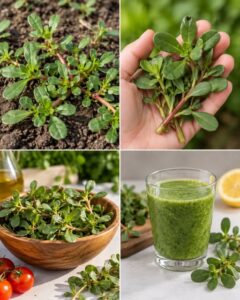
What It Is: Purslane, The Succulent Superfood
Purslane (Portulaca oleracea) is an annual succulent plant that grows wild in many parts of the world. Its characteristic features include fleshy, spoon-shaped leaves and thick, reddish stems. Often mistaken for a common weed due to its resilient growth, purslane is surprisingly packed with nutrients. It has a slightly tangy, lemony, and peppery flavor, making it a refreshing addition to many dishes. Unlike many leafy greens, purslane is exceptionally rich in Omega-3 fatty acids, antioxidants, vitamins (especially Vitamin A and C), and essential minerals.
Ingredients for a Quick Purslane Salad & Smoothie
Purslane Power Salad
- 1 cup fresh purslane, washed and chopped
- ½ cup cherry tomatoes, halved
- ¼ cup cucumber, diced
- 2 tablespoons red onion, thinly sliced (optional)
- 1 tablespoon extra virgin olive oil
- 1 tablespoon fresh lemon juice
- Pinch of sea salt and black pepper
Revitalizing Purslane Smoothie
- 1 cup fresh purslane, washed
- ½ green apple, cored
- ½ banana, peeled
- ½ cup water or unsweetened almond milk
- 1 teaspoon fresh ginger, grated (optional)
- Handful of ice cubes
Approximate Measurements
For most fresh applications, a generous handful (about 1 cup) of chopped purslane per serving is a good starting point. Adjust based on your taste preference and how much you want to integrate its unique flavor. For smoothies, 1-2 cups can easily be blended in without overpowering other ingredients.
Formula / Recipe: Your Daily Purslane Fix
Method for Purslane Power Salad
- Gently wash the purslane under cool running water. Pat dry thoroughly with a clean towel or use a salad spinner.
- Chop the purslane into bite-sized pieces.
- In a bowl, combine chopped purslane, halved cherry tomatoes, diced cucumber, and sliced red onion (if using).
- In a small separate bowl, whisk together the olive oil, lemon juice, salt, and pepper to create a simple dressing.
- Pour the dressing over the salad ingredients and toss gently to coat.
- Serve immediately and enjoy its crisp, tangy flavor.
Method for Revitalizing Purslane Smoothie
- Wash the purslane thoroughly.
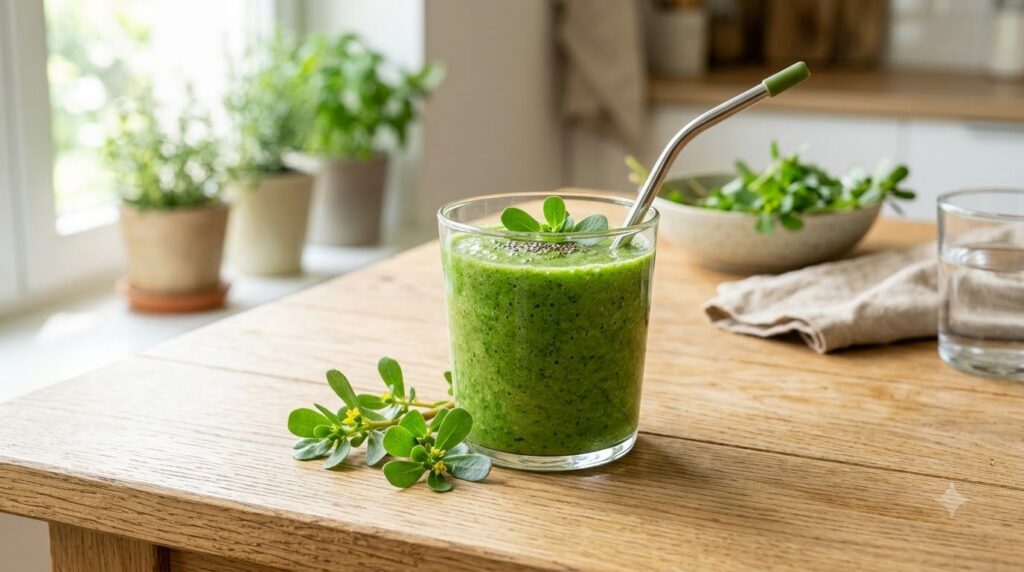
- Add purslane, green apple, banana, water (or almond milk), and grated ginger (if using) to a high-speed blender.
- Add a handful of ice cubes.
- Blend on high until smooth and creamy. If the smoothie is too thick, add a little more water or milk until desired consistency is reached.
- Pour into a glass and drink immediately for maximum freshness and nutrient absorption.
Quick Tip: Don’t just discard the stems! Purslane stems are just as nutritious as the leaves and add a delightful crunch. Make sure to include them in your salads and smoothies after a good wash.
How to Use Purslane Beyond Salads and Smoothies
Purslane’s versatility extends far beyond fresh applications. You can lightly sauté it with garlic, add it to stir-fries for an extra layer of nutrients and crunch, or even incorporate it into soups and stews in the last few minutes of cooking. It pairs wonderfully with eggs in an omelet or scrambled eggs, and can be used as a fresh topping for sandwiches and wraps. Its slightly tart flavor brightens up fatty meats and rich dishes.
How Often to Use
Incorporating purslane into your diet a few times a week is an excellent way to boost your nutrient intake. Because it’s a common ‘weed’ in many areas, it’s often readily available, especially in warmer months. Listen to your body and enjoy it as frequently as you like.
How to Buy / How to Choose Ingredients
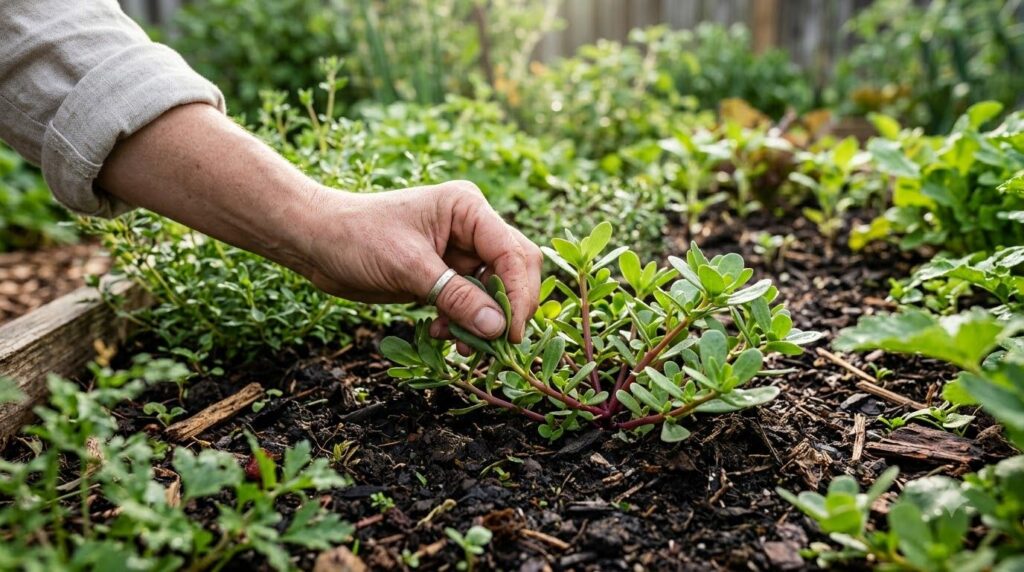
While you might not find purslane in every grocery store, it’s often available at farmers’ markets during summer months. Look for vibrant green leaves and firm, reddish stems. Avoid any bunches with yellowing or wilting leaves, or slimy stems. If you have a garden, purslane might already be growing there! However, always ensure you’re harvesting from an area free of pesticides, herbicides, or heavy traffic pollution. Always positively identify the plant before consuming.
Storage
Fresh purslane can be stored in the refrigerator for up to a week. The best way to store it is to wrap the unwashed stems in a damp paper towel and place them in a perforated plastic bag or an airtight container in the crisper drawer. Washing it right before use helps maintain its freshness.
Practical Tips
- Boost its Flavor: A squeeze of fresh lemon juice enhances purslane’s natural tanginess.
- Pairing: It complements feta cheese, tomatoes, cucumbers, and olives beautifully in Mediterranean-inspired dishes.
- Texture Contrast: Use it raw in dishes that need a refreshing crunch.
Did You Know? Purslane is one of the richest plant sources of Omega-3 fatty acids, making it a fantastic addition for those looking to boost heart health and reduce inflammation through diet.
Common Mistakes
- Misidentification: The most critical mistake is confusing purslane with similar-looking but potentially toxic plants, like spotted spurge (Euphorbia maculata), which has a milky sap. Always be 100% sure of your identification.
- Not Washing Thoroughly: As a ground-hugging plant, purslane can accumulate soil and debris. Wash it very well to remove all dirt.
- Harvesting from Contaminated Areas: Never pick purslane from roadsides, heavily sprayed lawns, or industrial zones. Choose clean, organic sources.
- Discarding Stems: The succulent stems are packed with nutrients and contribute to the texture. Don’t throw them away!
Cautions / Who Should Avoid It
Purslane contains oxalic acid, which can be a concern for individuals prone to kidney stones. While the amount is generally lower than in spinach or rhubarb, those with a history of kidney stones or kidney disease should consult their healthcare provider before consuming large quantities. Cooking purslane can reduce the oxalic acid content. As with any new food, start with small amounts to gauge your body’s reaction.
You may also like: The Power of Dandelion Greens for Detox
Quick Summary
| Best Preparation | Best Use-Case | Storage | When to Use | What to Avoid |
|---|---|---|---|---|
| Fresh, raw | Salads, smoothies, sandwiches | Damp paper towel in fridge (up to 7 days) | Daily or few times a week | Unidentified plants, sprayed areas, discarding stems |
| Lightly cooked | Stir-fries, omelets, soups (added last) | Same as fresh, best used immediately after cooking | Regularly for variety | Overcooking, if sensitive to oxalic acid (consult doctor) |
FAQ
Can I use fresh or dried purslane?
Purslane is best used fresh to preserve its succulent texture and nutrient profile, especially Omega-3s and Vitamin C. Dried purslane loses much of its unique qualities and is not commonly used.
How long does fresh purslane last?
When stored correctly (wrapped in a damp paper towel in the crisper drawer), fresh purslane can last up to 5-7 days in the refrigerator.
Can I refrigerate purslane?
Yes, refrigeration is the best way to store fresh purslane. Avoid washing it until you’re ready to use it to prevent premature spoilage.
How often should I use it?
Incorporating purslane into your diet several times a week is beneficial. There’s no strict rule, but consistent consumption can provide its full range of nutrients.
Can I freeze purslane?
While you can freeze purslane (often blanched first), it will lose its crisp texture and is best used in cooked dishes like soups or stews rather than fresh applications.
What part of the purslane plant is best to use?
All parts of the aerial plant—leaves and stems—are edible and highly nutritious. The stems add a pleasant crunch.
Can I reuse the leaves or stems?
Once harvested and used, purslane is generally consumed entirely. If you have leftover prepared purslane, it can be stored briefly, but it’s best fresh.
When should I avoid it?
Individuals with a history of kidney stones or kidney disease should consume purslane cautiously due to its oxalic acid content and consult a doctor. Always avoid purslane from contaminated areas or if you are unsure of its identification.
Conclusion
Purslane might be the most underrated superfood in your garden. This unassuming ‘weed’ is a testament to nature’s ability to provide powerful nutrition in the most unexpected places. By understanding how to identify, harvest, prepare, and enjoy purslane, you can easily integrate this succulent powerhouse into your daily diet, boosting your health with its impressive array of vitamins, minerals, and Omega-3s. So next time you see it, don’t pull it – eat it!
Read more: Easy Ways to Start Your Home Herb Garden
