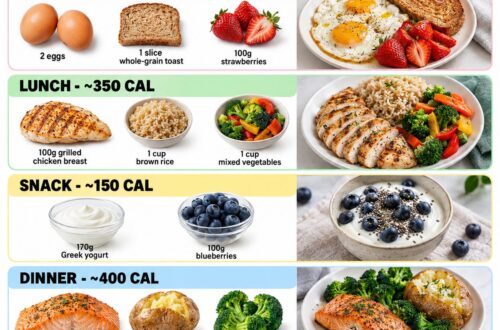
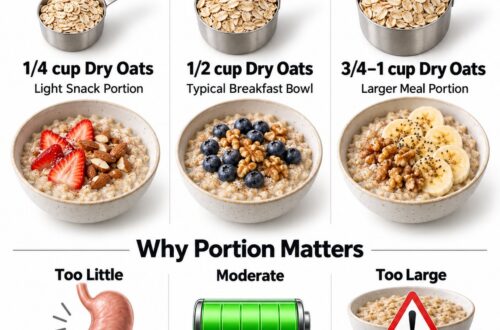
Wondering if a 1,700-calorie diet can still help you reach your goals while keeping you satisfied? Many people associate calorie-controlled eating with restrictive, unsatisfying meals. However, managing your calorie intake doesn’t mean sacrificing flavor or feeling hungry all the time.
This article will explore how a 1,700-calorie day can be surprisingly delicious, nutritious, and balanced. We’ll break down a full day’s meal plan, from a protein-rich breakfast to a hearty dinner, demonstrating that mindful eating can be a pathway to both health and enjoyment.
Join us as we dive into a practical, day-long eating strategy designed to nourish your body and support your wellness objectives.
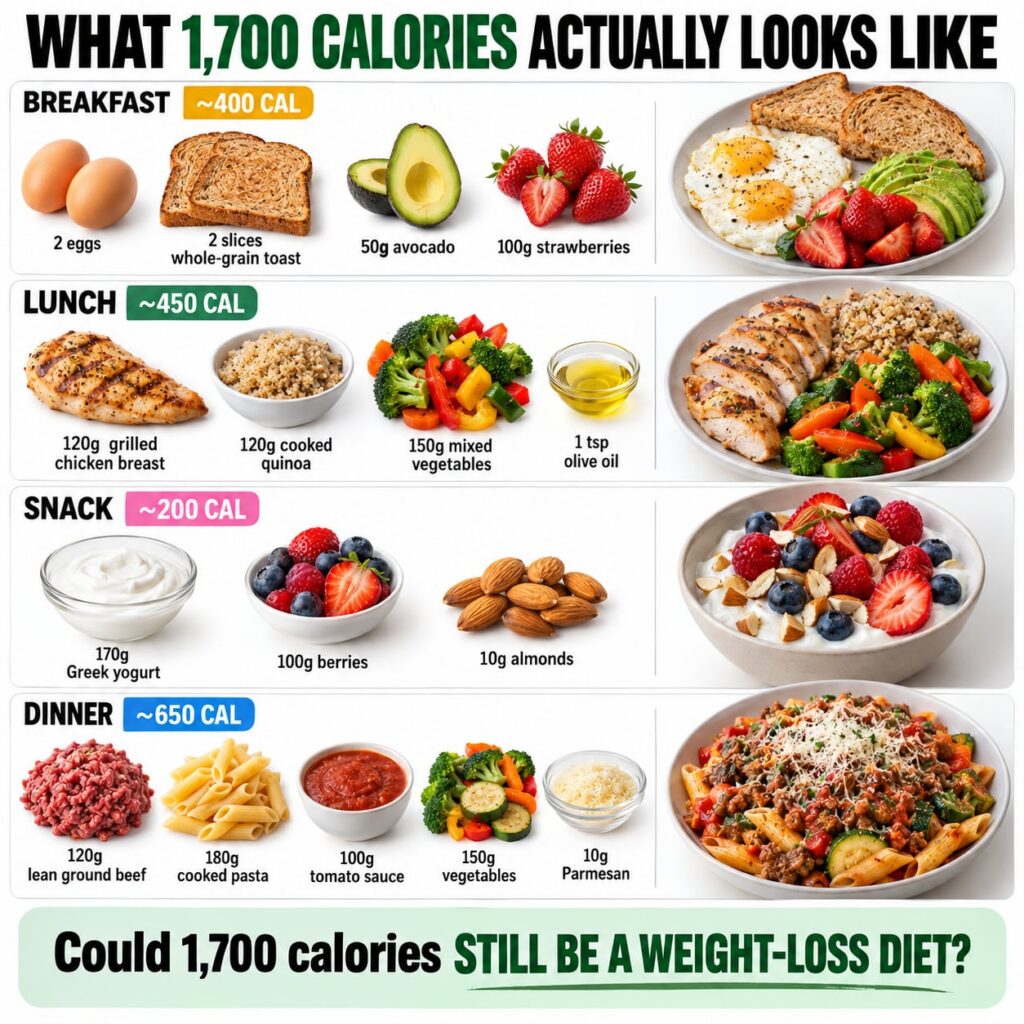 Discover how satisfying a 1,700-calorie day can be with this balanced meal plan.
Understanding the 1,700-Calorie Diet
A 1,700-calorie diet falls into a moderate range for many individuals looking to manage their weight. While caloric needs vary greatly depending on age, sex, activity level, and metabolic rate, 1,700 calories can often create a mild calorie deficit for gradual weight loss for some, or serve as a maintenance plan for others with lower energy requirements. The key to success isn’t just the number of calories, but the quality of the food you consume.
Focusing on whole, unprocessed foods rich in protein, fiber, and healthy fats helps you feel fuller for longer, provides essential nutrients, and supports overall health. Our meal plan is designed with these principles in mind, ensuring each meal contributes to your well-being.
Breakfast: A Power-Packed Start (~400 Calories)
Beginning your day with a balanced breakfast sets the tone for sustained energy and focus. This meal combines lean protein, healthy fats, and whole grains to keep you feeling satisfied until lunch.
Avocado & Egg Toast
- Servings: 1
- Prep time: 5 minutes
- Cook time: 5-7 minutes
Ingredients:
- 2 large eggs
- 50g avocado (approximately ¼ medium avocado)
- 1 slice whole-wheat bread
- Pinch of salt and pepper, to taste
- A tiny spray of cooking oil or a few drops of olive oil for cooking eggs (optional)
Instructions:
- Lightly toast the whole-wheat bread to your desired crispness.
- Heat a non-stick pan over medium heat. If using, lightly coat with cooking oil.
- Crack the eggs into the pan and cook them to your preference (fried, scrambled, or poached). Season with a pinch of salt and pepper.
- While the eggs are cooking, slice or mash the avocado.
- Once the toast is ready, spread the avocado evenly on top.
- Place the cooked eggs on top of the avocado toast. Serve immediately.
Lunch: Balanced Fuel for Your Day (~450 Calories)
Mid-day meals should provide sustained energy without leaving you feeling sluggish. This lunch combines lean protein, complex carbohydrates, and a generous portion of vegetables for a truly satisfying and nutritious experience.
Grilled Chicken & Quinoa Power Bowl
- Servings: 1
- Prep time: 10 minutes
- Cook time: 15-20 minutes (if cooking quinoa and chicken fresh)
Ingredients:
- 120g grilled chicken breast, sliced or diced
- 100g cooked quinoa
- 150g mixed vegetables (e.g., steamed broccoli, bell peppers, spinach, carrots)
- 10g olive oil (approximately 2 teaspoons)
- Herbs and spices to taste (e.g., dried oregano, garlic powder, paprika)
Instructions:
- If not pre-cooked, prepare the quinoa according to package directions.
- Season the chicken breast with your preferred herbs and spices. Grill or pan-fry until fully cooked. Let it rest for a few minutes, then slice or dice.
- Steam or lightly sauté your mixed vegetables until tender-crisp.
- In a bowl, combine the cooked quinoa, grilled chicken, and mixed vegetables.
- Drizzle with olive oil and gently toss to combine. Add additional herbs or a squeeze of lemon juice for extra flavor if desired. Serve warm or chilled.
Snack: Smart Choices to Stay Satisfied (~200 Calories)
A well-chosen snack can help bridge the gap between meals, prevent overeating, and provide an additional boost of nutrients. This snack is simple, high in protein, and rich in antioxidants.
Greek Yogurt with Berries
- Servings: 1
- Prep time: 2 minutes
Ingredients:
- 200g plain Greek yogurt (full-fat or 2% for creaminess and satiety)
- 50g mixed berries (fresh or frozen, such as strawberries, blueberries, raspberries)
Instructions:
- Spoon the Greek yogurt into a bowl.
- Top with the fresh or thawed mixed berries.
- Enjoy immediately.
Dinner: A Hearty End to Your Day (~650 Calories)
Dinner is an opportunity to enjoy a substantial meal that supports muscle repair and prepares your body for rest. This option is packed with protein, complex carbs, and fiber.
Lean Ground Beef with Sweet Potato & Broccoli
- Servings: 1
- Prep time: 10 minutes
- Cook time: 20-25 minutes
Ingredients:
- 150g lean ground beef (90% lean or higher)
- 150g sweet potato, peeled and diced
- 100g broccoli florets
- 10g olive oil (approximately 2 teaspoons)
- Spices to taste (e.g., cumin, chili powder, garlic powder, salt, pepper)
Instructions:
- Preheat oven to 400°F (200°C).
- Toss the diced sweet potato with half of the olive oil and a pinch of salt, pepper, and your preferred spices. Spread on a baking sheet and roast for 15-20 minutes, or until tender.
- In a pan, brown the lean ground beef over medium heat, breaking it apart with a spoon. Drain any excess fat. Season with your chosen spices.
- During the last 5-7 minutes of the sweet potato roasting, add the broccoli florets to the same baking sheet, tossing them with the remaining olive oil and a pinch of salt. Roast until tender-crisp.
- Once all components are cooked, combine the lean ground beef, roasted sweet potato, and roasted broccoli on a plate. Serve warm.
Could 1,700 Calories Still Be a Weight-Loss Diet?
The question of whether a 1,700-calorie diet supports weight loss largely depends on your individual energy needs. For many adults, particularly those who are moderately active, 1,700 calories may indeed create a caloric deficit, which is essential for losing weight. A deficit means consuming fewer calories than your body burns daily.
However, for individuals with very high activity levels or higher basal metabolic rates, 1,700 calories might be a maintenance intake or even a deficit that is too aggressive. Conversely, for someone with a very sedentary lifestyle or a smaller body frame, 1,700 calories might be closer to their maintenance level, resulting in slower or no weight loss.
It’s crucial to understand that sustainable weight loss is a journey unique to each person. What works for one may not work for another. Always consider your personal factors and consult with a healthcare professional or a registered dietitian to determine the most appropriate caloric intake for your specific goals.
Tips for Sustainable Calorie Management
- Prioritize Protein and Fiber: Foods high in protein and fiber (like the eggs, chicken, Greek yogurt, and vegetables in our plan) promote satiety, helping you feel fuller for longer and reducing cravings.
- Hydrate Regularly: Drinking plenty of water throughout the day can also contribute to feelings of fullness and is vital for overall health.
- Practice Mindful Eating: Pay attention to your hunger and fullness cues. Eat slowly, savor your food, and avoid distractions.
- Meal Prep for Success: Planning and preparing your meals in advance can significantly help you stick to your calorie goals and make healthy choices.
- Listen to Your Body: If you feel consistently hungry or low on energy, your caloric intake might be too low, or you might need to adjust your food choices for better nutrient density.