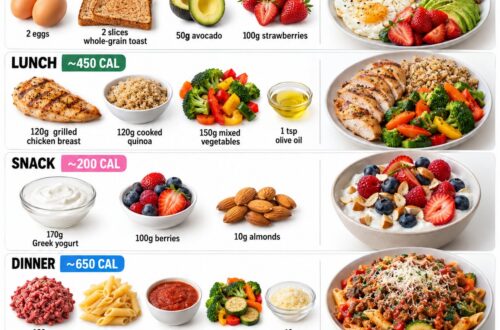
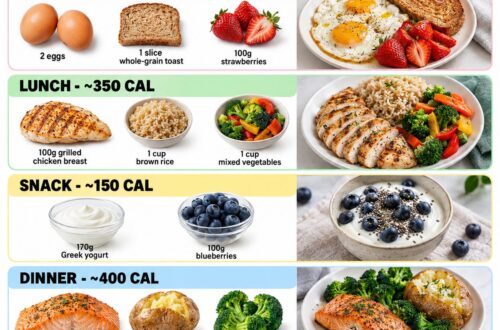
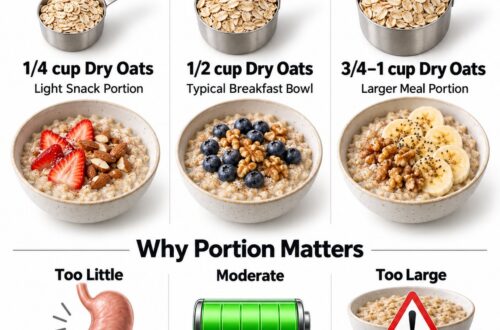
When you hear “2,000 calories,” what do you picture? For many, it might sound like a restrictive number or perhaps a lot of food. The truth is, what 2,000 calories looks like can vary wildly depending on your food choices. It’s not just about the number itself, but the quality and nutritional density of those calories.
Understanding how a balanced 2,000-calorie day can be constructed with wholesome, satisfying meals is key to achieving your health and wellness goals. It empowers you to make informed decisions, visualize portions, and enjoy a variety of foods without feeling deprived.
This guide will break down a full day of delicious, nutritious eating that totals approximately 2,000 calories, showcasing how you can enjoy flavorful meals from breakfast to dinner. We’ll explore meal ideas, ingredients, and even touch on how this calorie target might align with your personal needs.
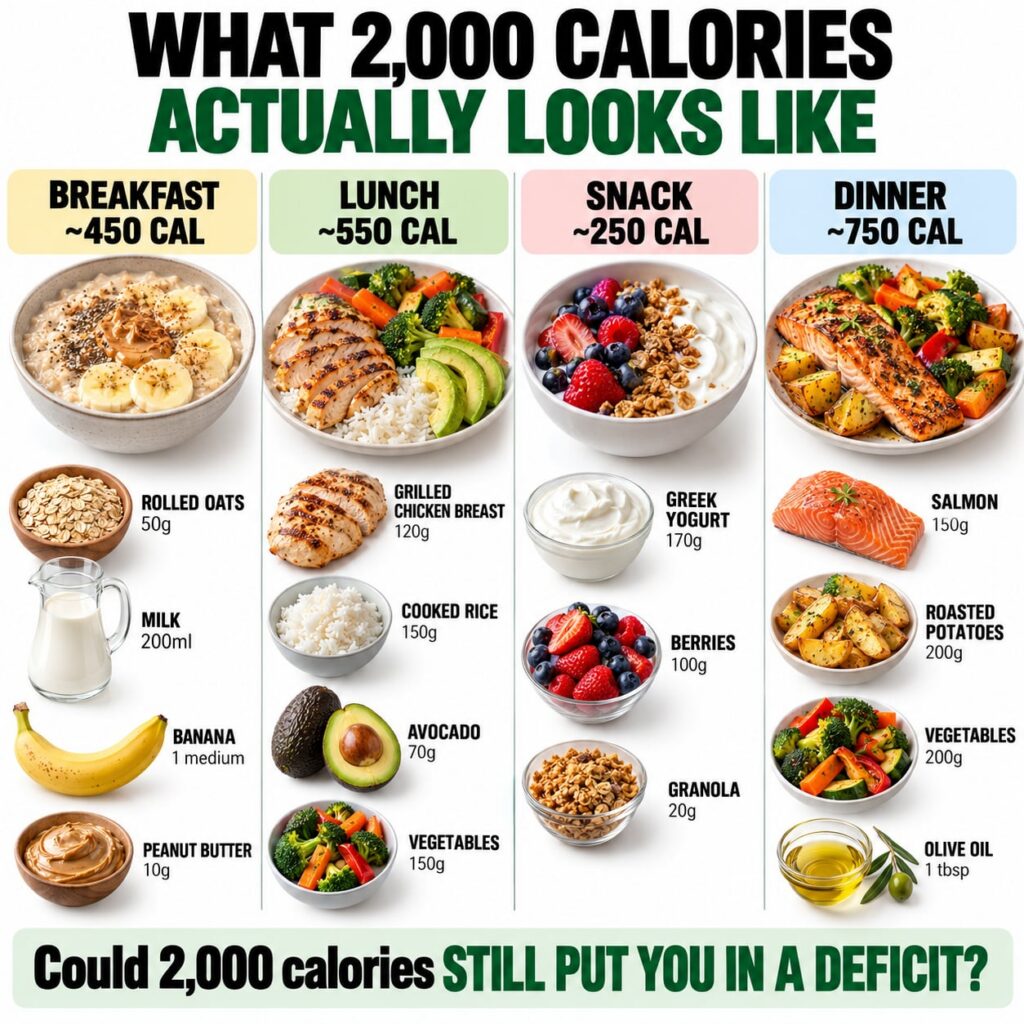 A visual guide to what 2,000 calories can look like in a balanced, healthy day.
What 2,000 Calories Can Look Like: A Full Day of Healthy Eating
Let’s dive into a practical example of how 2,000 calories can be distributed throughout your day, providing you with ample energy, essential nutrients, and great taste. This breakdown serves as a fantastic template for anyone looking to eat mindfully and understand portion sizes.
Start Strong: A Wholesome 490-Calorie Breakfast
Beginning your day with a balanced breakfast sets the tone for sustained energy and satiety. This overnight oats recipe is not only delicious but also packed with fiber and healthy fats to keep you full until lunch.
Overnight Oats with Banana & Peanut Butter (Approx. 490 kcal)
This simple, make-ahead meal is perfect for busy mornings. It combines complex carbohydrates, healthy fats, and a touch of protein to fuel your start.
- Servings: 1
- Prep time: 5 minutes + overnight chill
Ingredients:
- 50g Rolled Oats
- 120ml Skimmed Milk
- 10g Chia Seeds
- 15g Peanut Butter
- 80g Banana (about 1 medium banana)
Instructions:
- In a jar or container, combine the rolled oats, skimmed milk, and chia seeds. Stir well to ensure the chia seeds are fully incorporated and no clumps remain.
- Cover the jar and refrigerate overnight (or for at least 4 hours) to allow the oats to soften and the chia seeds to swell.
- In the morning, top your overnight oats with the peanut butter and sliced banana.
- Stir everything together and enjoy your nutrient-dense breakfast.
Power Through Lunch: Grilled Chicken, Rice & Veggies (650 kcal)
A satisfying lunch is crucial to avoid mid-afternoon energy slumps. This combination of lean protein, complex carbohydrates, and vibrant vegetables provides sustained energy and essential micronutrients.
Grilled Chicken with Brown Rice & Vegetables (Approx. 650 kcal)
This classic meal is a staple for healthy eating, offering a perfect balance of macronutrients to keep you feeling energized and focused.
- Servings: 1
- Prep time: 10 minutes
- Cook time: 20-25 minutes
Ingredients:
- 120g Grilled Chicken Breast
- 100g Cooked Brown Rice
- 80g Steamed Broccoli florets
- 80g Steamed Carrots, sliced
- 5ml Olive Oil (for cooking chicken or drizzling over veggies)
- Salt and pepper to taste
Instructions:
- Season the chicken breast with salt and pepper.
- Heat the olive oil in a pan over medium-high heat. Grill the chicken breast for 6-8 minutes per side, or until cooked through and internal temperature reaches 165°F (74°C). Let it rest for a few minutes before slicing.
- While the chicken cooks, prepare the brown rice according to package instructions.
- Steam the broccoli and carrots until tender-crisp.
- Arrange the sliced grilled chicken, brown rice, steamed broccoli, and carrots on a plate. Drizzle a little extra olive oil over the vegetables if desired.
Smart Snacking: Greek Yogurt, Berries & Granola (210 kcal)
Snacks play an important role in managing hunger and boosting your nutrient intake between meals. This snack is rich in probiotics, antioxidants, and fiber.
Greek Yogurt with Mixed Berries & Granola (Approx. 210 kcal)
A quick, refreshing, and incredibly nutritious snack that combines creamy yogurt with sweet berries and crunchy granola for a satisfying treat.
- Servings: 1
- Prep time: 2 minutes
Ingredients:
- 150g Greek Yogurt (plain, unsweetened)
- 60g Mixed Berries (fresh or frozen, thawed)
- 30g Granola
Instructions:
- Spoon the Greek yogurt into a bowl.
- Top with the mixed berries.
- Sprinkle the granola over the berries.
- Enjoy immediately for a delightful and healthy energy boost.
Satisfying Dinner: Salmon, Roasted Potatoes & Vegetables (650 kcal)
Ending your day with a nutrient-dense dinner helps with recovery and prepares your body for rest. This meal features healthy fats and a good balance of protein and complex carbs.
Salmon with Roasted Potatoes & Vegetables (Approx. 650 kcal)
This well-rounded dinner is not only flavorful but also provides crucial Omega-3 fatty acids from the salmon, alongside fiber and vitamins from the vegetables.
- Servings: 1
- Prep time: 15 minutes
- Cook time: 25-30 minutes
Ingredients:
- 120g Salmon Fillet
- 150g Roasted Potatoes (small, cut into wedges or cubes)
- 80g Asparagus spears
- 80g Bell Peppers (mixed colors, sliced)
- 5ml Olive Oil
- Salt, pepper, and your favorite herbs (e.g., dill, rosemary) to taste
Instructions:
- Preheat your oven to 400°F (200°C).
- Toss the potato wedges/cubes with a little olive oil, salt, and pepper. Spread them on a baking sheet and roast for 15-20 minutes.
- While potatoes are roasting, toss the asparagus and bell peppers with the remaining olive oil, salt, pepper, and herbs.
- After the potatoes have cooked for 15-20 minutes, add the salmon fillet to the baking sheet alongside the potatoes, and add the seasoned vegetables.
- Roast for another 10-15 minutes, or until the salmon is cooked through and flakes easily with a fork, and the vegetables are tender-crisp.
- Serve immediately, ensuring each component is nicely browned and flavorful.
Beyond the Number: Could 2,000 Calories Still Put You in a Deficit?
This is a crucial question that highlights the personalized nature of nutrition. While a 2,000-calorie meal plan provides a solid foundation for healthy eating, whether it puts you in a calorie deficit depends entirely on your individual metabolic rate, activity level, age, sex, and weight goals.
- Basal Metabolic Rate (BMR): This is the number of calories your body burns at rest.
- Total Daily Energy Expenditure (TDEE): This includes your BMR plus the calories burned through physical activity.
If your TDEE is, for example, 2,500 calories, then consuming 2,000 calories per day would indeed place you in a 500-calorie deficit, which is often recommended for gradual and sustainable weight loss. Conversely, if your TDEE is lower, 2,000 calories might be maintenance or even a surplus.
It’s important to understand that calorie targets are not one-size-fits-all. Consulting with a healthcare professional or a registered dietitian can help you determine the ideal calorie intake and macro-nutrient distribution for your specific goals, whether it’s weight loss, maintenance, or muscle gain. They can also help you develop a personalized calorie deficit meal plan if needed.
Why Visualizing 2,000 Calories Matters for Your Health Goals
Understanding what 2,000 calories looks like in terms of whole foods offers numerous benefits:
- Improved Satiety: Nutrient-dense foods, rich in fiber and protein, keep you fuller for longer compared to highly processed, empty-calorie options.
- Better Nutrient Intake: A balanced 2,000-calorie plan ensures you’re getting a wide array of vitamins, minerals, and antioxidants.
- Sustainable Eating: Visualizing meals helps you plan and prevent feeling deprived, making healthy eating a sustainable lifestyle rather than a temporary diet.
- Portion Control: It provides a realistic sense of what appropriate portion sizes look like for different food groups.
Common Mistakes to Avoid
Simply aiming for a 2,000-calorie target without considering food quality is a common pitfall. 2,000 calories of fast food will offer vastly different nutritional value and satiety than 2,000 calories of whole, unprocessed foods. Focus on:
- Whole grains over refined grains.
- Lean proteins over processed meats.
- Plenty of fruits and vegetables.
- Healthy fats over trans fats.
This approach helps you maximize the nutritional impact of your calorie intake.