Ever felt that uncomfortable, full, or tight sensation in your belly? Bloating is a common digestive issue that can leave you feeling sluggish and less than your best. It’s often caused by gas buildup in your digestive system, and while it’s usually not serious, it can certainly be bothersome.
The good news? Simple, natural remedies can often provide quick relief. This guide will walk you through five effective strategies that may help you reduce bloating and feel more comfortable within just 24 hours. Get ready to embrace a happier, lighter tummy!
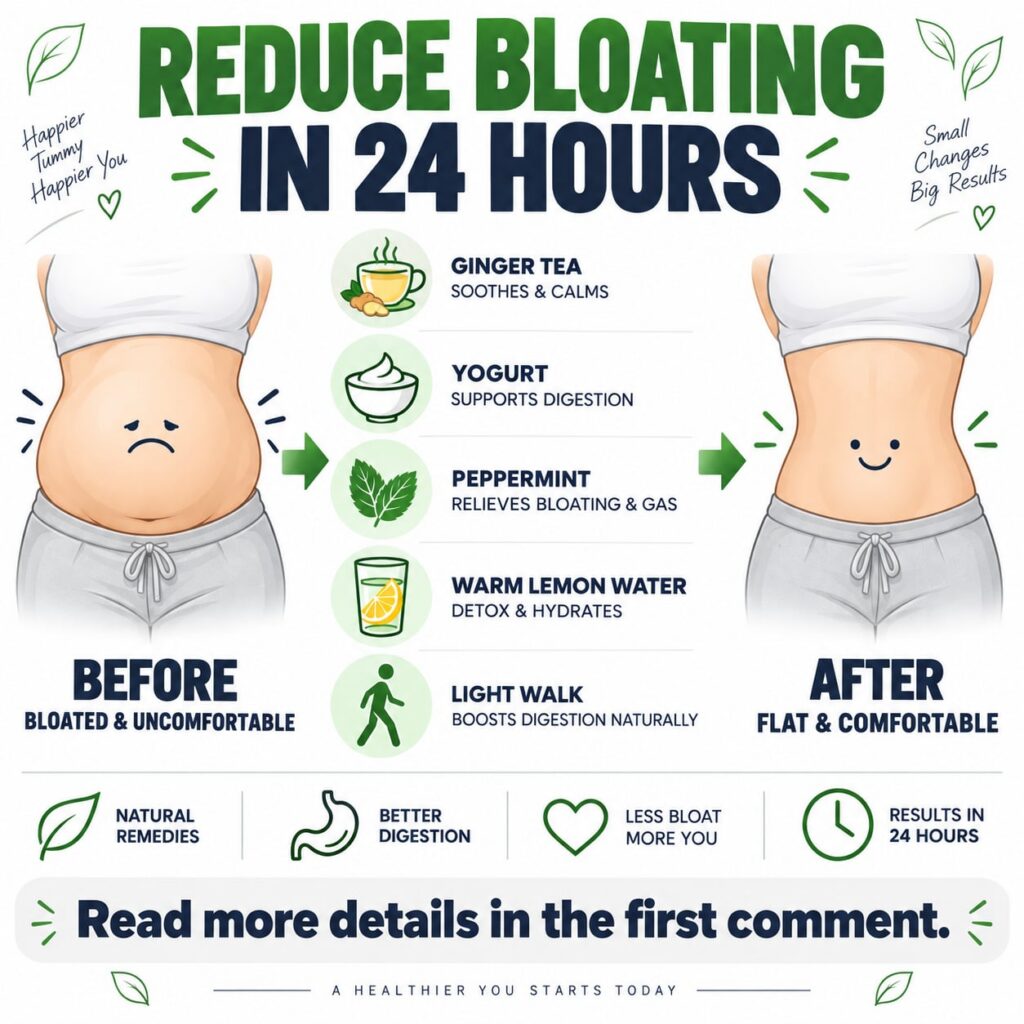
5 Natural Remedies to Beat Bloating in 24 Hours
Let’s explore five simple, natural remedies you can try to calm your digestive system and reduce bloating quickly.
1. Sip on Ginger Tea
Ginger is a powerful root known for its anti-inflammatory and digestive properties. It contains compounds called gingerols and shogaols, which can help stimulate digestion and relax the muscles of the digestive tract, potentially easing gas and bloating.
- How to use: Steep a few slices of fresh ginger root in hot water for 5-10 minutes. You can add a slice of lemon or a touch of honey for flavor.
- Best time: Enjoy a cup after meals or whenever you feel bloated.
2. Enjoy a Serving of Yogurt
Not just any yogurt, but plain, unsweetened yogurt rich in live and active cultures (probiotics). Probiotics are beneficial bacteria that help maintain a healthy balance in your gut microbiome, which can improve digestion and reduce gas production.
- How to use: Choose plain Greek or regular yogurt with the ‘Live and Active Cultures’ seal.
- Best time: Incorporate it into your breakfast, as a snack, or even after lunch.
3. Peppermint for Relief
Peppermint is well-regarded for its ability to soothe digestive discomfort. The active compound, menthol, helps relax the smooth muscles of the digestive tract, which can alleviate spasms, gas, and bloating.
- How to use: Peppermint tea is a popular choice. You can also find enteric-coated peppermint oil capsules, but consult a healthcare professional before trying supplements.
- Best time: Drink peppermint tea after meals or whenever you experience bloating.
4. Start Your Day with Warm Lemon Water
Warm lemon water can act as a gentle digestive aid. Lemon juice is similar in acidity to digestive juices in the stomach, which may help stimulate the production of bile, a fluid that aids in digestion. Hydration itself is also key to preventing constipation, a common cause of bloating.
- How to use: Squeeze half a lemon into a glass of warm (not hot) water. Drink it first thing in the morning.
- Best time: On an empty stomach in the morning to kickstart digestion.
5. Take a Light Walk
Sometimes, all your digestive system needs is a little movement. Physical activity, even a gentle walk, can help stimulate the movement of gas through your digestive tract, providing relief from bloating. It also encourages overall gut motility.
- How to use: Aim for a brisk 15-30 minute walk.
- Best time: After a meal, especially if you’ve eaten something that tends to cause bloating.

Common Mistakes When Dealing with Bloating
While trying to reduce bloating, it’s easy to make choices that might actually worsen the problem. Here are a few common pitfalls to avoid:
- Eating too quickly: Rushing your meals can lead to swallowing excess air, contributing to gas and bloating.
- Consuming fizzy drinks: Carbonated beverages introduce gas into your stomach, which can immediately cause bloating.
- Chewing gum: Just like eating quickly, chewing gum makes you swallow air, potentially leading to discomfort.
- Ignoring hydration: Dehydration can lead to constipation, a major cause of bloating.
- Overeating: Large meals put stress on your digestive system and can result in a bloated feeling.
Tips for Sustained Bloating Prevention
While the 24-hour remedies offer quick relief, incorporating long-term habits can help prevent bloating from returning.
- Eat slowly and mindfully: Take your time, chew your food thoroughly, and pay attention to your body’s hunger and fullness cues.
- Stay hydrated: Drink plenty of plain water throughout the day.
- Identify trigger foods: Keep a food diary to note foods that consistently cause you bloating. Common culprits include certain cruciferous vegetables, legumes, and dairy (if lactose intolerant).
- Manage stress: Stress can impact digestion. Practice relaxation techniques like deep breathing or yoga.
- Regular physical activity: Consistent exercise helps keep your digestive system moving efficiently.
- Consider smaller, more frequent meals: This can be easier on your digestive system than three large meals.
Practical Tips for a Happier Tummy
Here’s a quick recap to help you find relief:
- Hydrate smart: Drink plenty of water and try warm lemon water in the morning.
- Go for ginger: Sip on ginger tea after meals.
- Boost your gut: Include probiotic-rich yogurt in your diet.
- Peppermint power: Enjoy peppermint tea for muscle relaxation.
- Move your body: Take a light walk after meals.
- Eat mindfully: Slow down and chew thoroughly.
- Avoid triggers: Identify and limit foods and drinks that cause you discomfort.
FAQs About Bloating Relief
Q1: How quickly can I expect to feel better after trying these remedies?
Many people report feeling relief within a few hours, and significant improvement within 24 hours, especially if they combine several strategies and identify their triggers.
Q2: Can these remedies work for chronic bloating?
While these remedies can offer temporary relief for chronic bloating, persistent issues should be discussed with a healthcare professional to rule out underlying conditions.
Q3: Are there any side effects to these natural remedies?
Ginger, peppermint, and lemon water are generally safe for most people. However, if you have specific health conditions or are on medication, it’s always best to consult your doctor before making significant dietary changes.
Q4: What foods should I avoid if I’m prone to bloating?
Common culprits include carbonated drinks, high-sodium foods, certain artificial sweeteners, beans, lentils, broccoli, cabbage, and dairy (for lactose-intolerant individuals).
Q5: Is it normal to feel bloated after every meal?
Occasional bloating is common, but feeling bloated after every meal could indicate food sensitivities, eating too quickly, or an underlying digestive issue. Pay attention to patterns and consider consulting a doctor if it’s frequent.
Q6: Can stress cause bloating?
Yes, stress can significantly impact your digestive system, leading to symptoms like bloating, indigestion, and changes in bowel habits.
Conclusion
Bloating doesn’t have to ruin your day. By incorporating simple, natural remedies like ginger tea, probiotic-rich yogurt, peppermint, warm lemon water, and light exercise, you can often find quick relief and feel more comfortable within 24 hours. Remember that a balanced diet, proper hydration, and mindful eating habits are key to long-term digestive wellness.
Ready to explore more ways to boost your health? Dive into our other articles for delicious recipes and expert nutrition advice!
This content is for educational purposes only and should not be considered medical advice. Consult a qualified healthcare professional for personalized dietary recommendations.