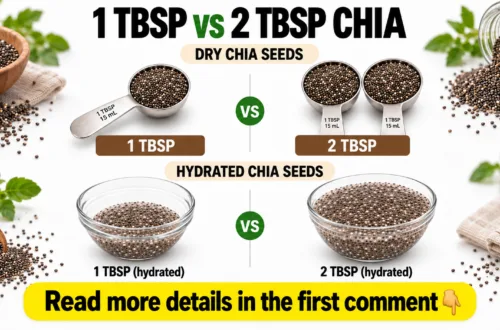
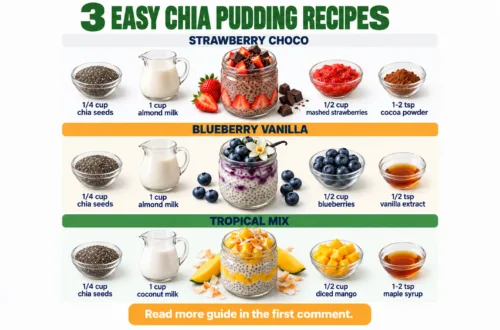
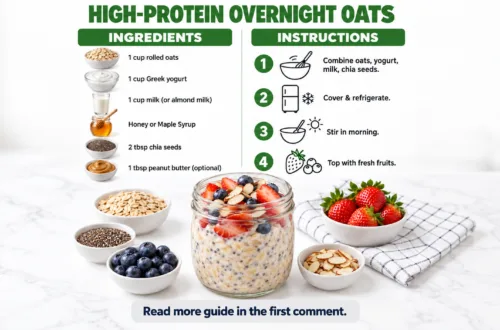
Chia seeds have become a superstar in the world of healthy eating, loved for their impressive nutritional profile and versatility. These tiny powerhouses absorb liquid and swell, creating a gel-like texture that makes them perfect for puddings, smoothies, and drinks.
But a common question often arises: what’s the best way to prepare them? Should you soak them in milk for a creamy treat, or mix them with water for a lighter, more hydrating option? Both methods have their unique appeal and nutritional implications.
In this ultimate comparison, we’ll dive into the differences between chia seeds prepared with milk versus water. You’ll learn about their textures, tastes, nutritional values, and when each option might be the best choice for your dietary goals. Get ready to discover your new favorite way to enjoy chia seeds!
Chia Seeds: A Nutritional Powerhouse
Before we compare preparation methods, let’s quickly review why chia seeds are so good for you. Despite their small size, chia seeds are packed with nutrients. They are an excellent source of:
- Fiber: Essential for digestive health, satiety, and blood sugar control.
- Omega-3 Fatty Acids: Important for heart health and brain function.
- Protein: A good plant-based source, beneficial for muscle repair and growth.
- Minerals: Including calcium, magnesium, phosphorus, and manganese, vital for bone health and various bodily functions.
- Antioxidants: Which help protect your body from free radicals.
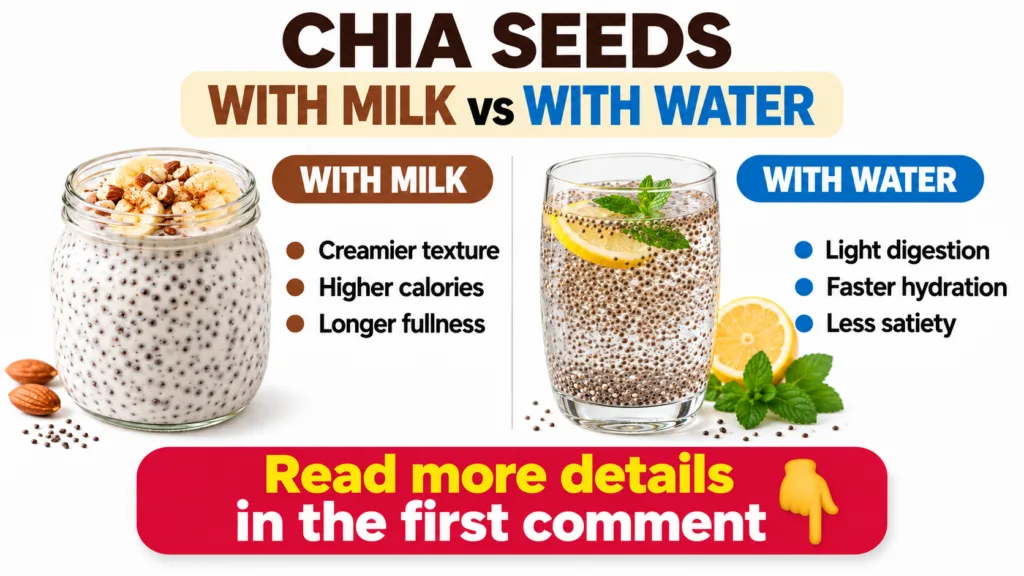
Chia Seeds with Milk: Creamy & Rich
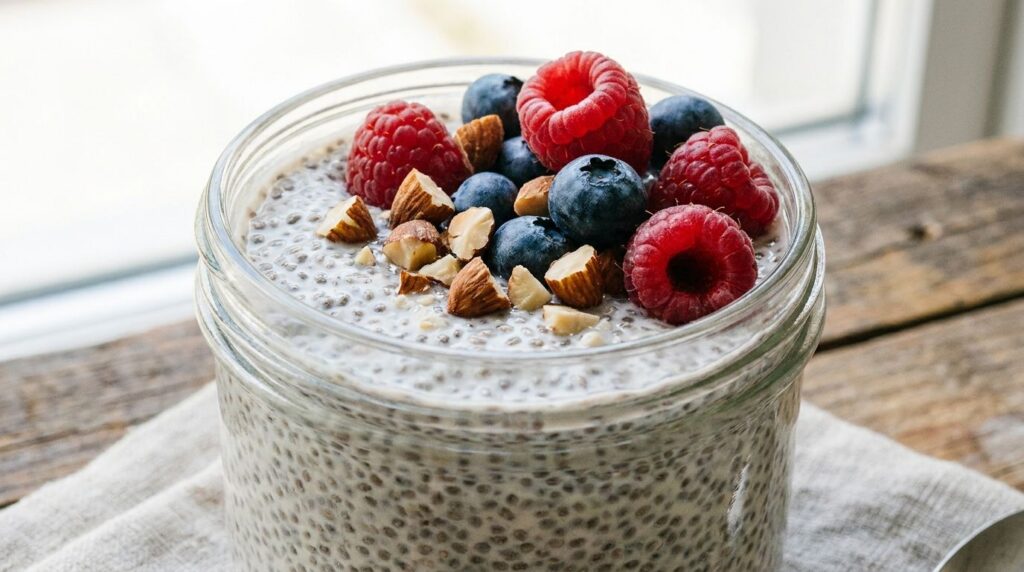
Soaking chia seeds in milk creates a delightful, pudding-like consistency that’s often compared to tapioca. It’s a popular choice for breakfast, snacks, or even a healthy dessert.
Texture and Taste
When mixed with milk (dairy or plant-based), chia seeds absorb the liquid and swell, resulting in a thick, creamy, and often indulgent texture. The flavor takes on the richness of the milk, making it a comforting and satisfying option. You can use cow’s milk, almond milk, oat milk, soy milk, or coconut milk, each lending its unique taste profile.
Nutritional Boost
Using milk adds extra calories, protein, and often healthy fats, depending on the type of milk you choose. For instance, dairy milk contributes calcium and vitamin D, while fortified plant milks offer similar benefits. This makes chia seed pudding with milk a more substantial meal or snack, providing sustained energy.
Best Uses
- Breakfast Puddings: Layer with fruits, nuts, and a drizzle of honey for a delicious morning meal.
- Desserts: A healthier alternative to traditional puddings, especially when flavored with cocoa or vanilla.
- Smoothie Boost: Add a spoonful to your blender for extra creaminess and nutrients.
Chia Seeds with Water: Light & Hydrating
If you’re looking for something lighter, more refreshing, or calorie-conscious, soaking chia seeds in water is an excellent choice.
Texture and Taste
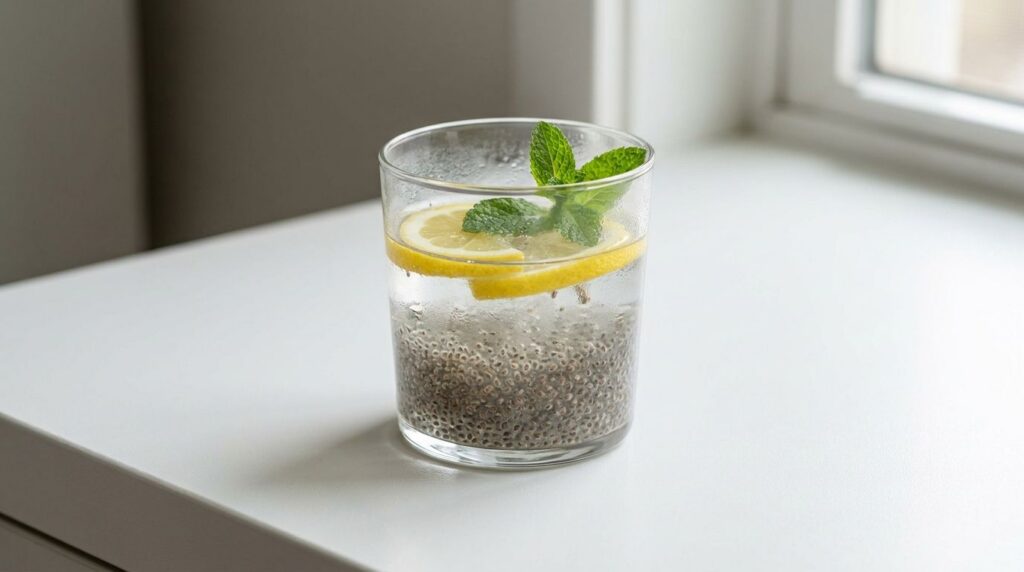
Chia seeds in water also form a gel, but the consistency is typically lighter and more jelly-like, rather than creamy. The taste is very neutral, making the subtle, earthy flavor of the chia seeds more noticeable. You can easily enhance it with lemon, lime, or other natural flavorings.
Nutritional Simplicity
Preparing chia seeds with water keeps the calorie count minimal, as water adds no extra calories or macronutrients. This method highlights the intrinsic nutritional benefits of the chia seeds themselves, making it an ideal choice if you’re managing your calorie intake or simply want a pure hydration boost.
Best Uses
- Hydrating Drinks: Mix with water, a squeeze of lemon, and a touch of natural sweetener for a refreshing “chia fresca.”
- Thickeners: Use the gel to thicken soups, sauces, or smoothies without adding dairy.
- Pre-Workout Drink: The sustained energy from fiber and hydration can be beneficial before exercise.
Nutrition Comparison Table
Let’s look at how the nutritional values stack up for a common serving size (2 tablespoons of chia seeds, prepared with 1 cup of either 2% dairy milk or water).
| Nutrient (approx. per 2 tbsp chia + 1 cup liquid) | With Milk (2% Dairy) | With Water |
|---|---|---|
| Calories | 258 kcal | 138 kcal |
| Protein | 12.7 g | 4.7 g |
| Carbs | 24 g | 12 g |
| Fat | 13.7 g | 8.7 g |
| Fiber | 10 g | 10 g |
| Main Nutrients | Calcium, Vitamin D, Omega-3s, Fiber | Omega-3s, Fiber, Magnesium, Phosphorus |
| Best Benefit | Creaminess, Added Protein & Calcium, Satiety | Hydration, Low Calorie, Digestive Support |
Which One is Right for You?
The “best” way to enjoy chia seeds truly depends on your personal preferences and health goals.
- Choose Milk if: You prefer a creamier texture, want to boost your protein and calcium intake, are looking for a more filling meal, or enjoy a richer flavor profile. It’s great for breakfast or a satisfying snack.
- Choose Water if: You prefer a lighter option, are focused on hydration, want to keep calories lower, or prefer to let the natural flavor of the chia seeds shine through (perhaps enhanced with fruit or citrus). It’s excellent for pre-workout, a light refresher, or for thickening.
Many people enjoy both! You might opt for a creamy milk-based chia pudding for breakfast and a refreshing water-based chia drink in the afternoon.
Practical Tips for Enjoying Chia Seeds
- Start Small: If you’re new to chia seeds, begin with 1-2 tablespoons daily and gradually increase your intake.
- Hydrate Properly: Chia seeds absorb a lot of liquid. Ensure you’re drinking plenty of water throughout the day, especially when consuming chia seeds.
- Mix Well: To prevent clumping, add chia seeds to your liquid and stir immediately and thoroughly. Let it sit for a few minutes, then stir again before refrigeration.
- Flavor It Up: Don’t be afraid to experiment with flavorings! Add fresh fruit, cinnamon, vanilla extract, a squeeze of lemon or lime, or a touch of maple syrup or honey.
- Overnight Prep: For best results, prepare your chia seeds the night before and let them soak in the refrigerator for at least 4 hours, or overnight.
FAQs
How long do chia seeds need to soak?
For a good gel consistency, chia seeds should soak for at least 30 minutes, but 2-4 hours or overnight in the refrigerator is ideal.
Can I use any type of milk for chia pudding?
Yes, you can use any dairy or non-dairy milk like almond, oat, soy, coconut, or cow’s milk. Each will impart a slightly different flavor and texture.
Do chia seeds lose nutrients when soaked?
No, soaking chia seeds does not significantly reduce their nutritional value. In fact, it can make some nutrients more bioavailable and aid digestion.
Can I eat dry chia seeds?
While you can, it’s generally not recommended to eat large amounts of dry chia seeds as they absorb liquid rapidly and can be a choking hazard. Always soak them or consume them with plenty of liquid.
What’s the best liquid-to-chia seed ratio?
A good starting point is a 1:4 ratio (1 part chia seeds to 4 parts liquid). For a thicker pudding, you might use 1:3; for a thinner drink, 1:5 or more.
Are chia seeds good for weight loss?
Chia seeds are high in fiber, which can promote feelings of fullness and reduce overall calorie intake, potentially aiding in weight management when part of a balanced diet.
Can I add chia seeds to hot liquids?
Yes, chia seeds can be added to hot liquids like warm oatmeal or soup, but they may not form as thick a gel as they would in cold liquids.
Conclusion
Whether you prefer the creamy indulgence of chia seeds with milk or the refreshing simplicity of chia seeds with water, both methods offer a delicious and nutritious way to incorporate this superfood into your diet. The choice ultimately comes down to your taste, dietary needs, and how you plan to enjoy them. Experiment with both, and discover your perfect chia seed creation!
Ready to explore more healthy eating options? Dive into our other articles for inspiring recipes, nutritional guides, and tips for a healthier lifestyle!
This content is for educational purposes only and should not be considered medical advice. Consult a qualified healthcare professional for personalized dietary recommendations.