Are you looking for natural ways to support your joint health? Our joints are incredible structures that allow us to move, bend, and stay active. However, factors like aging, inflammation, and wear and tear can impact their function, sometimes leading to discomfort.
The good news is that what you eat plays a significant role in maintaining strong, flexible joints. Incorporating specific nutrient-rich foods into your diet can help reduce inflammation, provide essential building blocks, and protect against damage.
In this article, we’ll explore 9 power foods that can help nourish your joints, keeping you moving freely and comfortably. Get ready to discover delicious ways to support your body from the inside out!
Understanding Joint Health
Our joints are where two or more bones meet, allowing movement. They are cushioned by cartilage, lubricated by synovial fluid, and held together by ligaments. For optimal function, these components need to be healthy.
Inflammation is a primary culprit in joint pain and damage. Certain foods contain compounds that can either promote or reduce inflammation throughout the body, directly impacting your joints. By choosing the right foods, you can actively contribute to reducing inflammation and supporting the structural integrity of your joints.
9 Power Foods to Nourish Your Joints
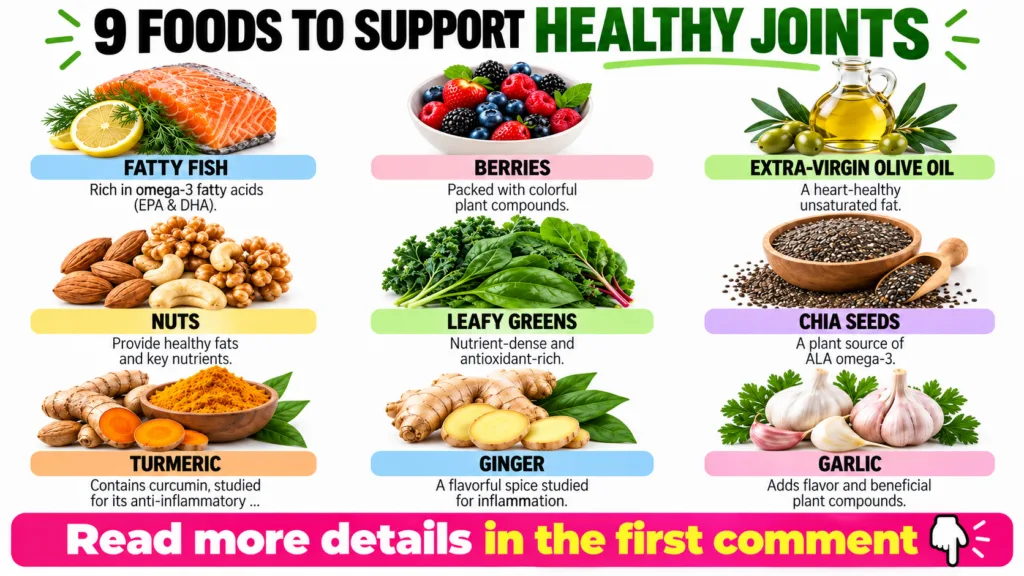
1. Salmon (and Other Fatty Fish)
Fatty fish like salmon, mackerel, and sardines are champions for joint health due to their high content of omega-3 fatty acids, specifically EPA and DHA. These powerful fats are known for their anti-inflammatory properties, which may help reduce joint pain and stiffness.
2. Berries
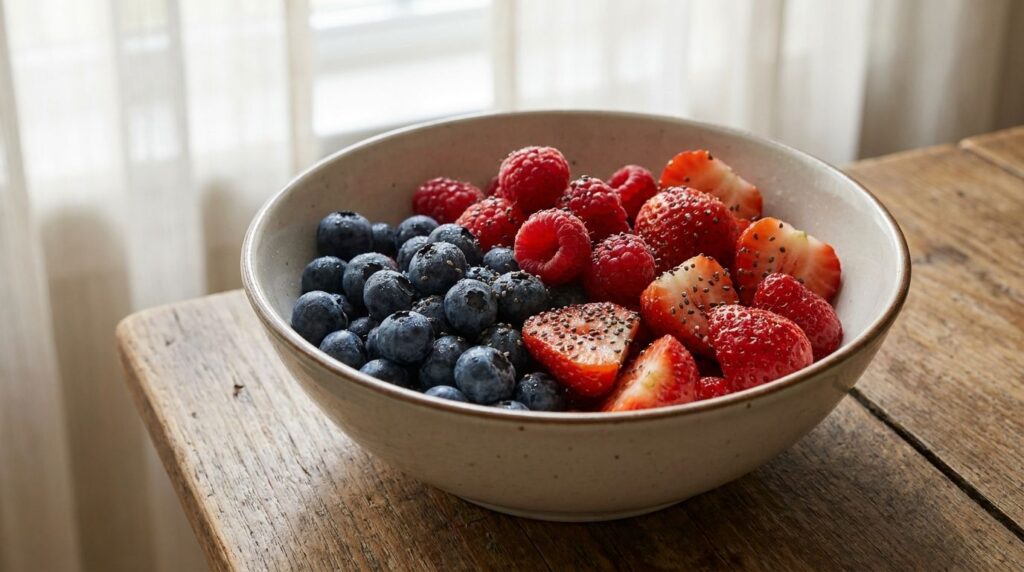
From blueberries to strawberries, raspberries, and cherries, berries are packed with antioxidants like anthocyanins and vitamin C. Antioxidants combat oxidative stress and inflammation, while vitamin C is essential for the production of collagen, a key component of cartilage.
3. Olive Oil
Extra virgin olive oil is rich in monounsaturated fats and a compound called oleocanthal, which has anti-inflammatory properties similar to non-steroidal anti-inflammatory drugs (NSAIDs). Regular consumption may help protect cartilage and reduce joint discomfort.

4. Nuts
Almonds, walnuts, and pecans are excellent sources of omega-3 fatty acids (especially walnuts with ALA), vitamin E, and magnesium. These nutrients work together to reduce inflammation and protect your joint tissues from damage.
5. Leafy Greens
Spinach, kale, and collard greens are nutritional powerhouses. They provide vitamin K, which plays a role in bone health and may help reduce inflammatory markers. They also offer a spectrum of antioxidants and vitamin C, supporting overall joint and connective tissue health.
6. Chia Seeds
Tiny but mighty, chia seeds are a fantastic source of plant-based omega-3 fatty acids (ALA), fiber, and antioxidants. Incorporating them into your diet can contribute to reducing systemic inflammation, benefiting your joints.
7. Turmeric
This golden spice contains curcumin, a compound with potent anti-inflammatory effects that have been extensively studied. Turmeric may help reduce pain and improve function in people with joint issues, acting as a natural pain reliever.
8. Ginger
Used for centuries in traditional medicine, ginger contains gingerols and shogaols, which possess anti-inflammatory and antioxidant properties. Research suggests ginger can help alleviate joint pain and reduce inflammation, similar to some over-the-counter medications.
9. Garlic
Garlic is more than just a flavor enhancer; it contains diallyl disulfide, a compound that some research suggests may help inhibit enzymes that damage cartilage. Its anti-inflammatory properties also contribute to overall joint protection.
How These Foods Support Your Joints
These power foods contribute to joint health primarily through two mechanisms:
- Reducing Inflammation: Many of these foods, like fatty fish, olive oil, turmeric, and ginger, contain compounds (omega-3s, oleocanthal, curcumin, gingerols) that actively lower the body’s inflammatory response. Chronic inflammation can degrade cartilage and cause pain.
- Providing Building Blocks and Protection: Foods rich in vitamin C (berries, leafy greens) are crucial for collagen synthesis, which is vital for healthy cartilage. Antioxidants found in berries, nuts, and leafy greens protect joint tissues from oxidative damage, helping to preserve their structure and function.
Practical Tips for Your Diet
- Eat More Fish: Aim for at least two servings of fatty fish per week.
- Embrace Colorful Produce: Fill half your plate with a variety of fruits and vegetables, especially berries and leafy greens.
- Cook with Olive Oil: Use extra virgin olive oil for dressings, sautéing, and drizzling over meals.
- Snack Smart: Replace processed snacks with a handful of nuts or a small bowl of berries.
- Spice It Up: Incorporate turmeric and ginger into your cooking—think curries, smoothies, teas, and stir-fries.
- Add Garlic: Use fresh garlic liberally in your favorite savory dishes.
- Boost Breakfast: Add chia seeds to oatmeal, yogurt, or smoothies.
FAQs
Q1: How quickly can I expect to see results from eating these foods?
While some people may notice improvements in a few weeks, dietary changes for joint health are a long-term strategy. Consistent intake over months provides the most significant benefits.
Q2: Can these foods replace joint pain medication?
No, these foods are meant to complement a healthy lifestyle and may help reduce symptoms, but they should not replace prescribed medications. Always consult your doctor before making changes to your medication regimen.
Q3: Are there any foods I should avoid for joint health?
Yes, highly processed foods, sugary drinks, excessive red meat, and foods high in unhealthy fats can promote inflammation and may worsen joint pain. Limiting these is often recommended.
Q4: Is it better to get these nutrients from food or supplements?
Getting nutrients from whole foods is generally preferred as they provide a synergistic blend of vitamins, minerals, and other beneficial compounds. Supplements can be considered if dietary intake is insufficient, but always under professional guidance.
Q5: Can these foods help with specific conditions like arthritis?
Many of these foods have anti-inflammatory properties that may help manage symptoms associated with inflammatory conditions like arthritis. However, they are not a cure and should be part of a comprehensive treatment plan supervised by a healthcare professional.
Conclusion
Nourishing your joints doesn’t have to be complicated. By consistently incorporating these 9 power foods into your daily diet—salmon, berries, olive oil, nuts, leafy greens, chia seeds, turmeric, ginger, and garlic—you can provide your body with the essential nutrients it needs to fight inflammation, support cartilage health, and maintain flexibility.
Making these simple dietary changes is a delicious and effective way to invest in your long-term joint health. So, embrace these foods, get cooking, and enjoy the benefits of a more mobile and comfortable life! Explore more healthy food content on our website for endless inspiration.
This content is for educational purposes only and should not be considered medical advice. Consult a qualified healthcare professional for personalized dietary recommendations.