Chia seeds have become a superstar in the world of healthy eating, praised for their incredible versatility and impressive nutritional profile. These tiny powerhouses can be enjoyed in various ways, but two common preparations stand out: soaked and dry. While they come from the same seed, how you prepare them can significantly impact their texture, how your body processes them, and even how you use them in recipes.
Have you ever wondered if there’s a real difference between enjoying crunchy, dry chia seeds in your yogurt and a silky, gel-like chia pudding? This article will dive deep into the world of chia, exploring the unique characteristics, nutritional considerations, and best uses for both soaked and dry chia seeds. By the end, you’ll understand which preparation method might be best for your dietary needs and culinary adventures.
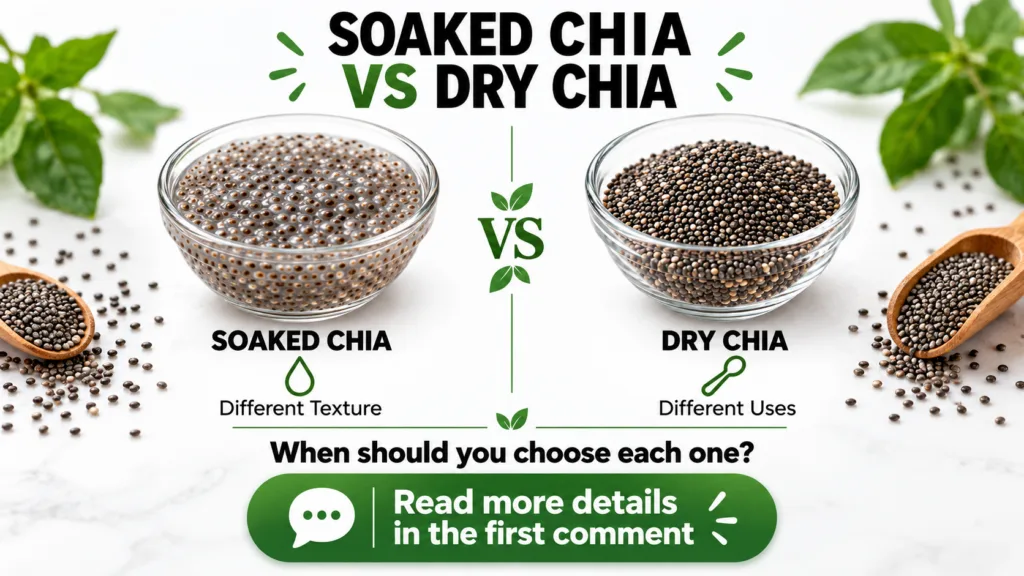
Soaked vs. Dry Chia Seeds: A Nutritional and Practical Comparison
While the intrinsic nutritional content of a chia seed remains the same whether it’s soaked or dry, the way these nutrients are delivered and absorbed by your body can vary. The main difference lies in the seed’s ability to absorb liquid and form a gel.
Comparison Table: Key Differences
| Feature | Dry Chia Seeds | Soaked Chia Seeds |
|---|---|---|
| Texture | Crunchy, small, firm | Gel-like, soft, plump, expanded |
| Volume (per 2 tbsp) | Small, dense | Expands significantly (up to 10-12x) |
| Digestibility | Can be harder for some if not chewed well; may absorb water in the gut | Easier to digest; pre-gelled for smoother passage |
| Hydration | Absorbs water *in the body* | Provides pre-hydrated fiber and liquid |
| Typical Uses | Toppings (yogurt, salads), baking (for crunch), smoothies (for thickness/texture) | Puddings, overnight oats, thickeners (soups, sauces), beverages |
| Nutrient Release | Gradual, as digestion occurs | Potentially faster due to pre-gelation and increased surface area |
Calories
The caloric content per gram of chia seeds remains the same whether they are dry or soaked. However, a typical serving of soaked chia seeds will appear much larger in volume than an equivalent caloric amount of dry seeds. This volume increase from soaking can make a dish feel more substantial and contribute to increased satiety without adding more calories. For example, two tablespoons of dry chia seeds have about 138 calories, but when soaked, they fill a much larger space, making you feel fuller.
Protein
Chia seeds are a good source of plant-based protein, providing around 4-5 grams per two-tablespoon serving. Soaking doesn’t change the protein content. However, some research suggests that soaking may slightly improve the bioavailability of certain nutrients by breaking down anti-nutrients present in the raw seeds, potentially making the protein (and other nutrients) easier for your body to access and utilize.
Healthy Fats (Omega-3s)
These tiny seeds are renowned for their high content of alpha-linolenic acid (ALA), an essential omega-3 fatty acid. Soaking does not alter the fat content or the omega-3 profile of the seeds. Both dry and soaked chia seeds offer these beneficial fats that support heart and brain health.
Carbohydrates and Fiber
Chia seeds are rich in carbohydrates, but the vast majority of these carbs come from fiber. In fact, nearly all the carbohydrates in chia seeds are fiber, making them excellent for digestive health. When chia seeds are soaked, this soluble fiber absorbs liquid and forms a gel. This gel-forming action is what makes soaked chia seeds so unique.
- Dry Chia Seeds: When consumed dry, they absorb water in your digestive system, contributing to a feeling of fullness and aiding in healthy bowel movements.
- Soaked Chia Seeds: The pre-formed gel from soaking means the fiber is already expanded and ready to move through your system, potentially leading to smoother digestion for some individuals and contributing significantly to hydration.
Vitamins and Minerals
Chia seeds are packed with essential vitamins and minerals, including calcium, magnesium, phosphorus, and manganese. They also contain smaller amounts of B vitamins and zinc. The act of soaking does not diminish these micronutrients. Some studies even suggest that soaking can enhance the absorption of certain minerals by reducing compounds like phytic acid, which can bind to minerals and hinder their uptake.
Taste and Texture
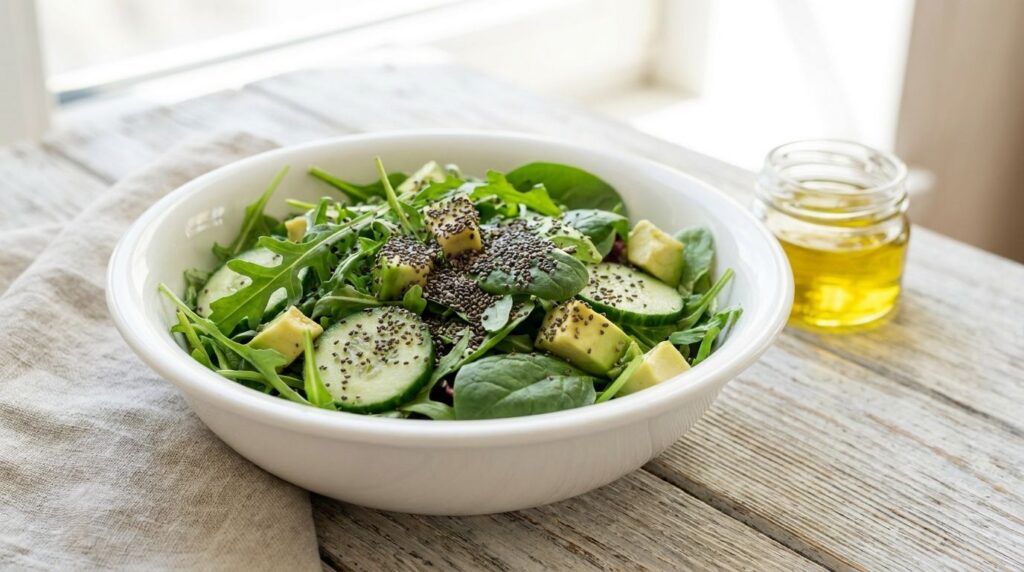
- Dry Chia Seeds: They have a very mild, slightly nutty flavor and a distinct crunch. They are often used as a textural element, similar to poppy seeds or sesame seeds.
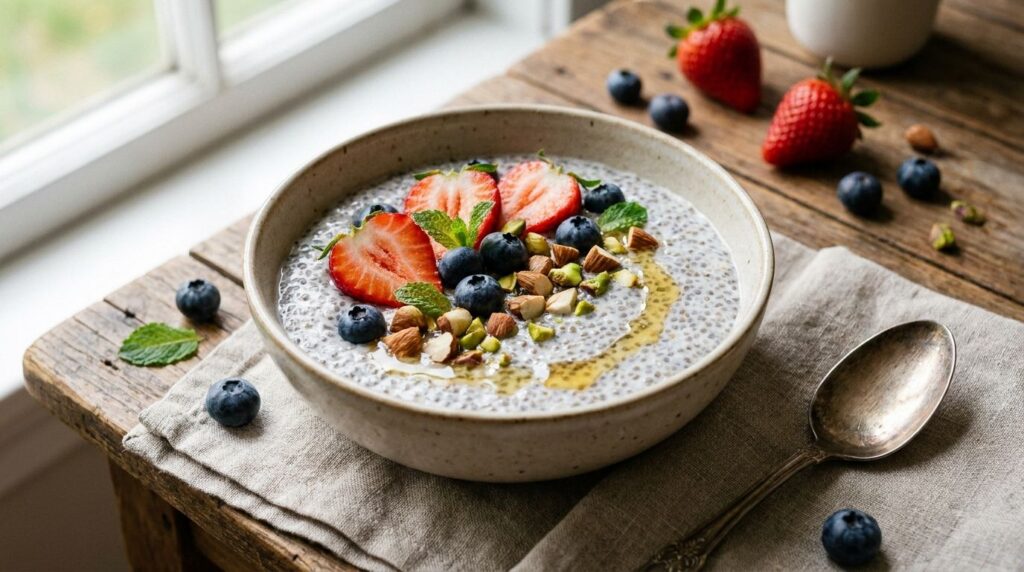
- Soaked Chia Seeds: When soaked, they lose their crunch and develop a soft, gelatinous texture. The flavor remains mild, making them an excellent base for absorbing other flavors, like fruit purees or spices.
Best For…
- Dry Chia Seeds are best for:
- Adding crunch to smoothies, yogurt, salads, or cereals.
- Baking, where they can absorb moisture during the cooking process.
- Quick additions to meals when you don’t have time to soak.
- Soaked Chia Seeds are best for:
- Creating puddings, overnight oats, or ‘chia jam.’
- Thickening sauces, soups, or smoothies.
- Adding to beverages for extra hydration and fiber.
- Aiding digestion, especially for those with sensitive stomachs.
Which is the ‘Winner’?
There’s no single

