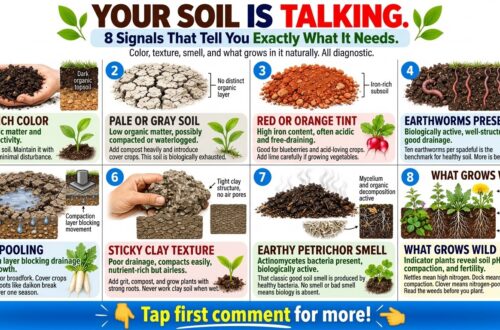
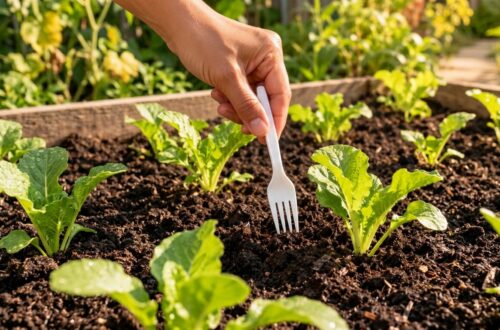
Raised garden beds are a fantastic way to grow healthy, bountiful plants, offering better drainage, easier access, and more control over your soil. But to truly unlock their potential, consistent, year-round soil care is essential. It’s not just about what you do in spring; it’s a continuous cycle that keeps your soil vibrant and your plants thriving!
Why Year-Round Soil Care is Crucial for Raised Beds
Many gardeners focus solely on preparing their beds in spring, but soil is a living ecosystem that needs continuous attention. Neglecting your soil outside of planting season can lead to nutrient depletion, compaction, increased pest issues, and ultimately, less productive plants. A consistent care routine ensures:
- Sustained Nutrient Availability: Your plants get the food they need throughout their growth cycle.
- Improved Soil Structure: Prevents compaction, enhances drainage, and supports healthy root development.
- Better Pest and Disease Resistance: Healthy soil fosters strong plants that are more resilient.
- Weed Suppression: Practices like mulching can significantly reduce weed growth.
- Long-Term Fertility: You build a richer, more vibrant soil year after year.
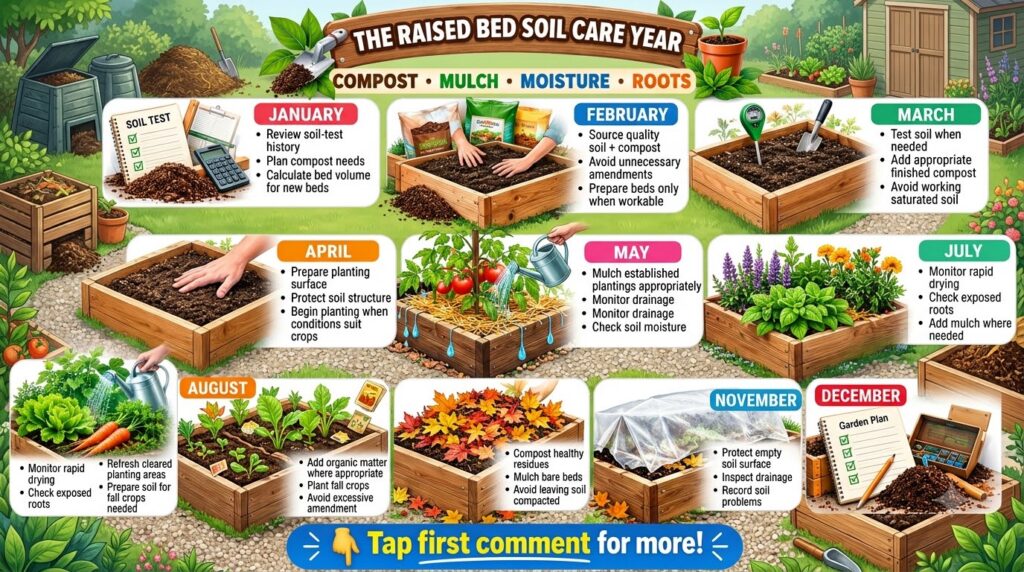
The Annual Cycle: A Month-by-Month Approach to Raised Bed Soil Health
Let’s break down what your raised beds need through each season to stay at their best.
Spring Awakening (March – May)
Spring is prime time for preparing your beds for the growing season. This is where you lay the foundation for success!
- Clear Debris: Remove any remaining winter debris, old plant matter, and weeds.
- Assess and Amend: Gently loosen the top 6-12 inches of soil with a broadfork or garden fork, being careful not to invert the layers. Incorporate a generous layer (2-4 inches) of high-quality compost. This is also a great time to add organic fertilizers or soil amendments based on a soil test if needed.
- Check pH: Test your soil’s pH. Most vegetables prefer a slightly acidic to neutral pH (6.0-7.0). Adjust with lime to raise pH or elemental sulfur to lower it, if necessary.
- Planting: Once the soil is workable and danger of frost has passed, begin planting your spring crops.
Summer Growth (June – August)
As your plants grow, their needs intensify. Focus on feeding, watering, and protecting your precious soil.
- Consistent Watering: Raised beds dry out faster than in-ground gardens. Monitor soil moisture daily, especially during hot, dry spells, and water deeply. Drip irrigation or soaker hoses are excellent for efficient watering.
- Mulch, Mulch, Mulch: Apply a 2-4 inch layer of organic mulch (straw, shredded leaves, wood chips) around your plants. This helps retain moisture, regulate soil temperature, and suppress weeds.
- Mid-Season Feeding: As plants mature and start producing, they’ll benefit from a boost. Apply a balanced organic liquid fertilizer or a side dressing of compost tea.
- Weed Management: Hand-pull any weeds that pop through your mulch before they compete for nutrients.
Autumn Prep (September – November)
Don’t let your garden sit idle after harvest! Autumn is a critical time to replenish and protect your soil for the next season.
- Harvest and Clear: As crops finish producing, remove spent plants. If they were healthy, compost them. If they showed signs of disease, discard them to prevent spread.
- Add Organic Matter: Spread a thick layer (4-6 inches) of leaves, grass clippings, wood chips, or unfinished compost over the bed. Let nature do the work of breaking it down over winter.
- Consider Cover Crops: For beds that won’t be used for winter gardening, planting a cover crop like crimson clover, hairy vetch, or winter rye can be incredibly beneficial. Cover crops protect the soil from erosion, suppress weeds, add organic matter, and some even fix nitrogen.
Winter Rest (December – February)
Even when dormant, your soil needs care and protection.
- Protect the Soil: If you didn’t plant a cover crop, ensure your beds are mulched to protect them from harsh winter weather, prevent nutrient leaching, and keep beneficial microbial activity going.
- Plan Ahead: Use this time to reflect on the past season, review your garden journal, and plan your crop rotations for the coming year. What worked well? What needs improvement?
- Tool Maintenance: Clean and sharpen your gardening tools so they’re ready for spring.
General Tips for Optimal Raised Bed Soil Health
- Avoid Compaction: Never step inside your raised beds. This is one of the biggest advantages of raised beds – you can easily work around them without compacting the soil.
- Embrace Organic: Stick to organic amendments and fertilizers to support a healthy microbial ecosystem in your soil.
- Crop Rotation: Rotate your crops annually to prevent nutrient depletion and reduce the buildup of specific pests and diseases.
By following a year-round soil care plan, you’re not just growing plants; you’re nurturing a vibrant, living ecosystem within your raised beds. This dedication will reward you with healthier plants, richer harvests, and a more enjoyable gardening experience every single season!