There’s nothing quite like the taste of a homegrown tomato – sun-ripened, juicy, and bursting with flavor. If you dream of harvesting an abundance of plump, healthy tomatoes right from your garden, the secret often lies in providing the right nourishment. And what better way to do that than with natural, organic fertilizers?
At Garden – L. Quyên, we believe in nurturing our plants the way nature intended. Using natural fertilizers not only boosts your tomato yield but also contributes to healthier soil and a more sustainable garden ecosystem. Let’s dive into how you can give your tomato plants the best start and continuous care for an incredible harvest.
Why Choose Natural Fertilizers for Your Tomatoes?
Opting for natural fertilizers comes with a wealth of benefits for both your plants and the environment. Unlike synthetic chemicals, natural options improve soil structure, feed beneficial microorganisms, and release nutrients slowly, reducing the risk of nutrient burn and runoff. This creates a resilient, living soil that supports robust plant growth year after year.
Essential Nutrients for Thriving Tomatoes
Tomatoes are heavy feeders and require a balanced diet to produce those delicious fruits. Key nutrients include:
- Nitrogen (N): Important for leafy green growth, especially in the early stages.
- Phosphorus (P): Crucial for root development, flowering, and fruiting.
- Potassium (K): Supports overall plant health, fruit quality, and disease resistance.
- Calcium: Prevents blossom end rot, a common tomato problem.
Top Natural Fertilizers for Plump Tomatoes
1. Compost and Aged Manure
These are the champions of natural fertilizers! Rich in a wide range of nutrients and organic matter, compost and aged manure improve soil structure, water retention, and microbial activity. Mix them into your soil before planting and use them as a side-dressing throughout the growing season. Ensure any manure is well-aged to prevent burning your plants.
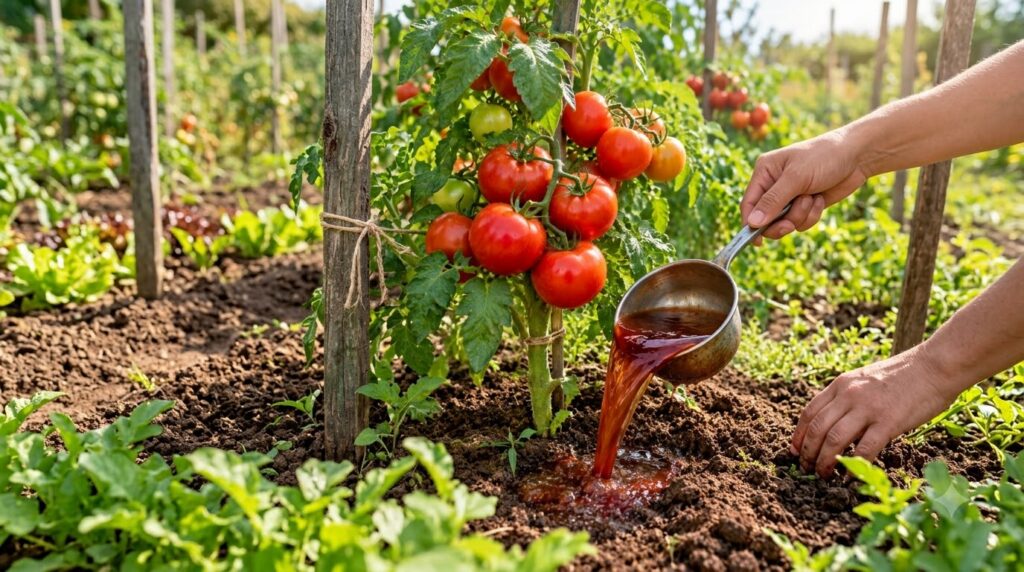
2. Compost Tea
As seen in our visual guide, compost tea is a fantastic liquid fertilizer that provides a quick nutrient boost. It’s essentially water steeped with compost, full of beneficial microbes. You can brew your own at home and apply it directly to the soil around your tomato plants every few weeks. It’s gentle, effective, and helps suppress diseases.
3. Bone Meal
A natural source of phosphorus and calcium, bone meal is excellent for promoting strong root development and preventing blossom end rot. Work it into the soil when planting or sprinkle it around the base of mature plants. Be mindful that it can attract animals, so bury it a few inches deep.
4. Epsom Salts (Magnesium Sulfate)
While not a complete fertilizer, Epsom salts provide magnesium, which is vital for photosynthesis and nutrient uptake. Many gardeners swear by it for boosting fruit production and preventing yellowing leaves. Dilute 1-2 tablespoons in a gallon of water and apply as a foliar spray or a soil drench every few weeks.
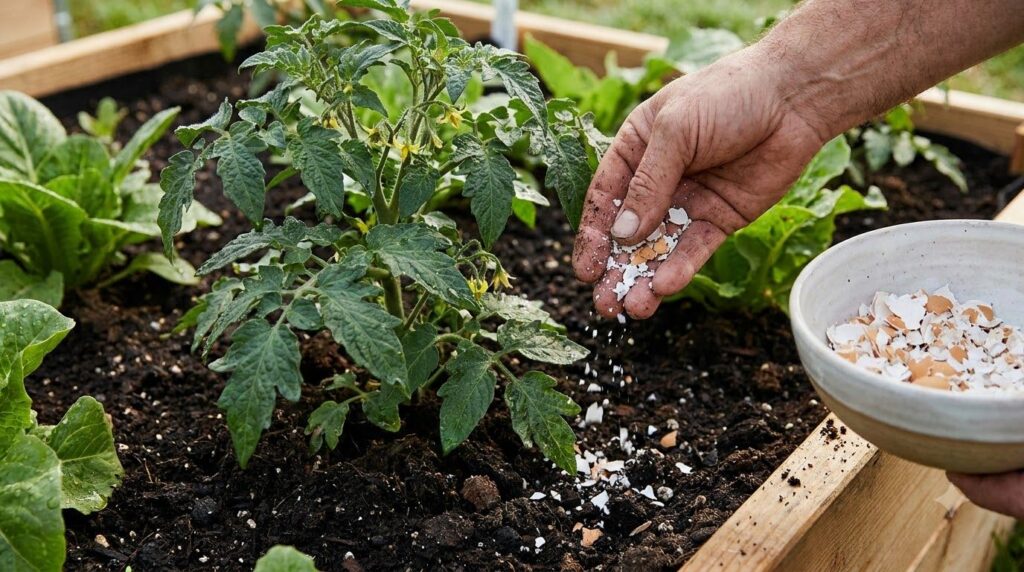
5. Crushed Eggshells
Another excellent source of calcium to combat blossom end rot! Collect and crush eggshells into a fine powder. You can mix them into the soil during planting or sprinkle them around the base of your plants. It’s a slow-release amendment, so apply it early.
Tips for Applying Natural Fertilizers
- Start Early: Incorporate compost or aged manure into your soil before planting your tomato seedlings.
- Side-Dressing: As your plants grow, apply fertilizers like compost or bone meal in a ring around the base of the plant, being careful not to touch the stem. Gently scratch it into the topsoil.
- Liquid Feeds: Use compost tea or diluted Epsom salts as a liquid feed every 2-4 weeks, ensuring the soil is already moist.
- Observe Your Plants: Pay attention to your tomato plants. Yellowing leaves, poor fruit set, or stunted growth can indicate nutrient deficiencies. Adjust your feeding schedule accordingly.
- Don’t Overdo It: Even natural fertilizers can be applied in excess. Follow recommended guidelines and remember that a little often goes a long way.
Beyond Fertilizing: Holistic Tomato Care
While proper nutrition is key, remember that other factors contribute to a successful tomato harvest:
- Sunlight: Tomatoes need at least 6-8 hours of direct sunlight per day.
- Watering: Consistent deep watering is crucial, especially during fruiting. Avoid overhead watering to prevent fungal diseases.
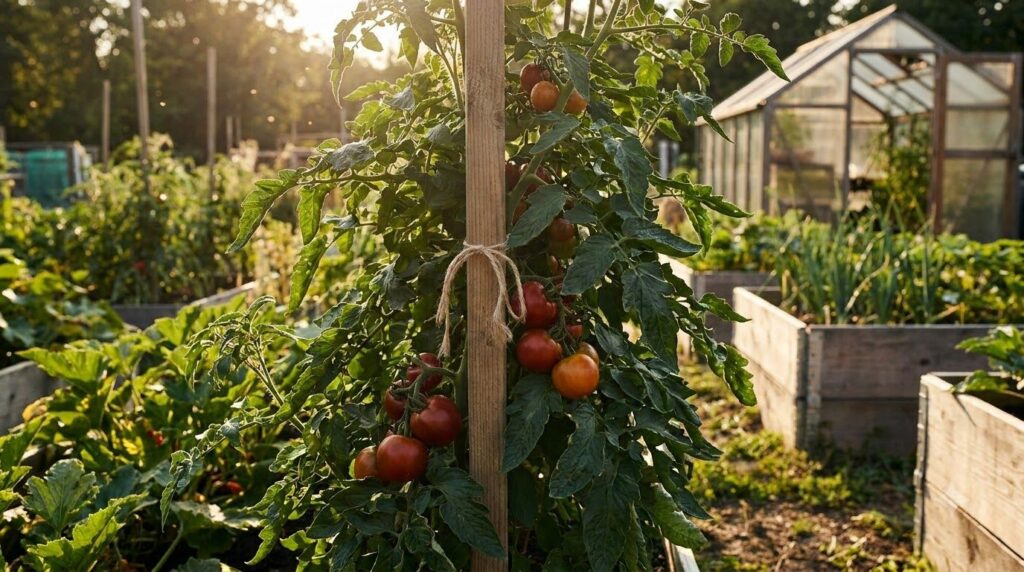
- Staking/Support: Provide strong stakes or cages to support heavy fruit production and keep plants off the ground.
- Pruning: Remove suckers (the small shoots that grow between the main stem and a leaf branch) to direct energy into fruit production.
- Pest Management: Regularly inspect your plants for pests and address any issues promptly with organic solutions.
Grow Your Best Tomatoes Yet!
Embracing natural fertilizers is a wonderful step towards a more productive, healthier, and environmentally friendly garden. By understanding your tomato plants’ needs and providing them with nutrient-rich, organic sustenance, you’ll be well on your way to enjoying the most delicious, plump, and healthy tomatoes you’ve ever grown. Happy gardening!